On Monday at noon, Trace came back.
I’d taken the day off to stay with Mom, because I knew what was coming and didn’t want her facing it alone. We were at the kitchen table eating tuna sandwiches when his black Dodge pulled into the yard.
He came in without knocking, the way he always does, and sat down across from his grandmother. He pulled three folded hundred-dollar bills out of his wallet and laid them on the oilcloth.
“Grandma,” he said, “I looked at the truck. It’s junk. The engine’s shot. It’d cost way more to fix than it’s worth.” He pushed the money toward her. “I’ll give you three hundred dollars for it and haul it off. That way you don’t have to deal with it.”
Mom looked at the money for a long time.
She didn’t touch it. She didn’t say anything. She just looked at those three hundred-dollar bills on the oilcloth, and I could see her doing arithmetic in her head. How much did a new truck cost? How much did a used truck cost? How would she get to the elevator?
I knew exactly what Trace wanted. He’d been talking about it for months, every Sunday dinner. He was building a dirt track race car, an old Ford Galaxie with a stripped interior and a roll cage. And he needed a 352 V8 block. Those old Ford FE blocks are popular with the guys who race at the dirt tracks in Hastings and Doniphan. A good one sells for eight hundred to twelve hundred dollars on its own, even with a bad bearing.
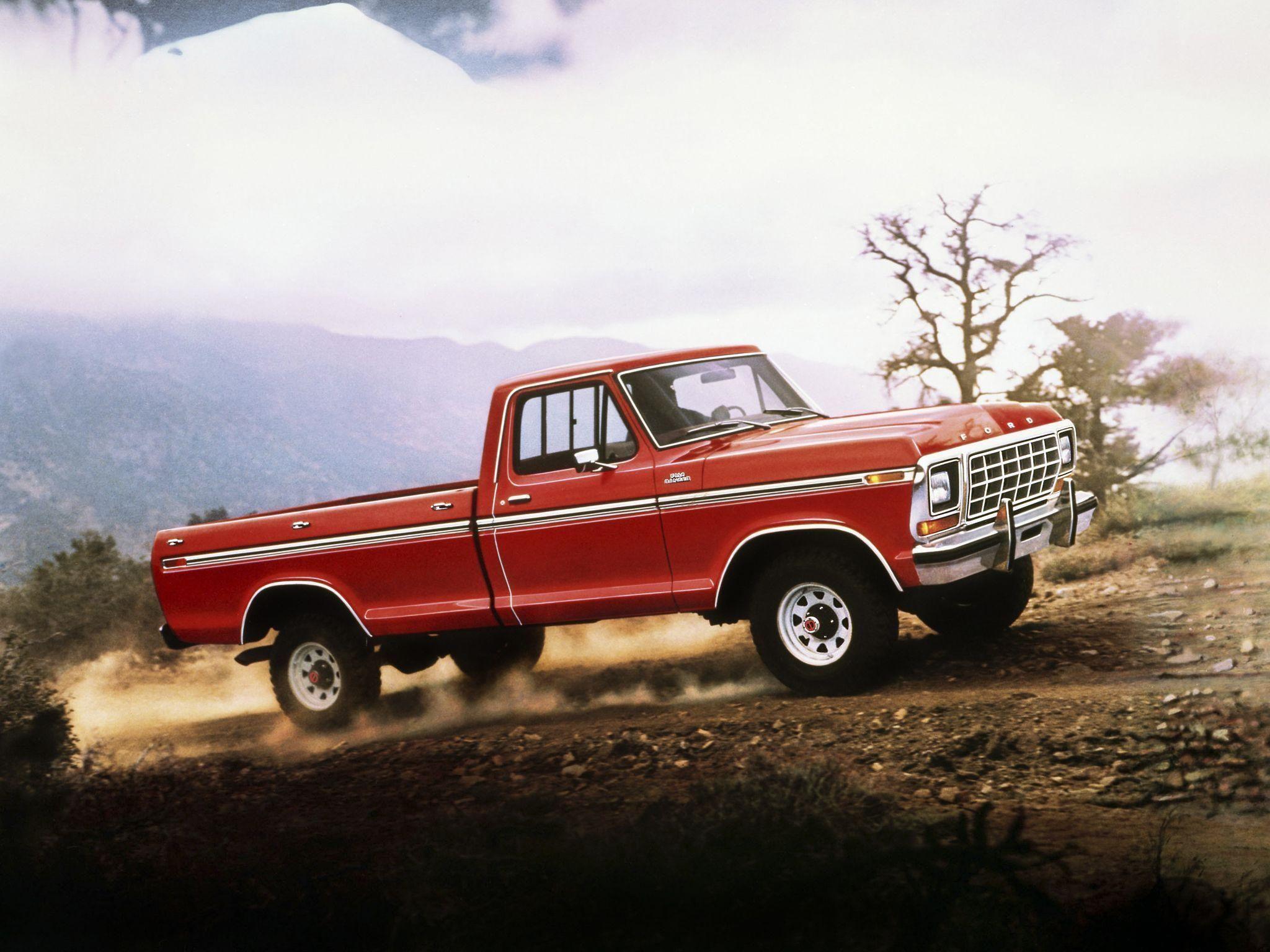
And Dad’s old Ford had a 352 under the hood.
Trace figured he’d give Grandma three hundred dollars, pull the engine, put it in his race car, and sell the rest of the truck for parts. He figured Grandma would never know the difference. He probably even figured he was doing her a favor.
The truck, running and in good shape, was worth fourteen or fifteen thousand dollars. I’d seen nice ’66 F-100s sell for more than that at the collector car auction in Kearney.
His dad, my brother Kurt, was on a pipeline job in Williston, nine hundred miles away. I could have called Kurt and made him deal with his son. I could have made a scene right there in the kitchen and told Trace exactly what I thought of him.
But neither one of those things would get my mother back to the elevator.
So I reached across the table, picked up the three hundred-dollar bills, folded them neatly in half, and put them back in Trace’s hand.
“No thank you,” I said.
Trace looked at me, startled. “Aunt Nora, it’s junk. I’m trying to help.”
“It’s not junk. It’s a spun rod bearing.” I kept my voice level. “And it didn’t happen by itself, Trace. A rod bearing doesn’t spin in a well-maintained engine that’s driven to the elevator and back every morning at forty miles an hour. It spins when somebody runs an engine wide open for a long time on a hot day. Like on the gravel section roads, racing somebody.”
Trace’s face went red.
“I wasn’t racing.”
“Kenny Dvorak saw you,” I said. “He called the co-op this morning. He said you and the Hofmeister boy were running side by side on the Road M mile, west of the Little Blue, at about eighty miles an hour. He said there was so much dust he couldn’t see his own mailbox.”
Trace opened his mouth and closed it again.
Mom turned and looked at him. It was a long, quiet look.
“Trace,” she said. “Is that true?”
He didn’t answer.
“I see,” my mother said.
She stood up, took her plate to the sink, and stood there with her back to us, looking out the window at the old Ford sitting by the machine shed.
Trace put the money back in his wallet and left without saying goodbye.

Laura Bennett writes about complicated family dynamics, difficult conversations, and the quiet moments that change everything. Her stories focus on real-life tensions — inheritance disputes, strained marriages, loyalty tests — and the strength people find when they finally speak up. She believes the smallest decisions often carry the biggest consequences.