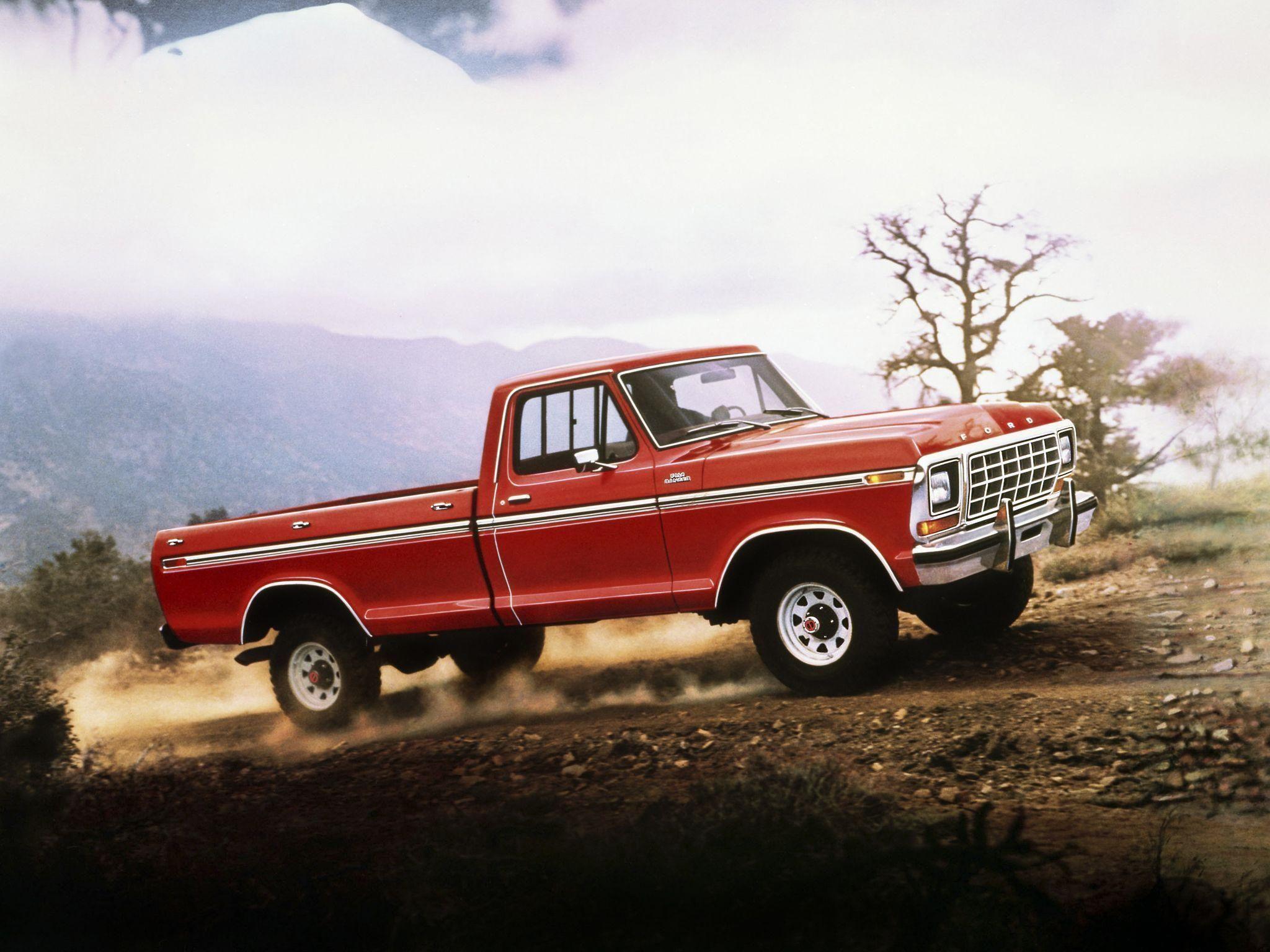
On Wednesday, I picked up the crankshaft and rods from Gordy Bauer in Hastings. The crank was ground and polished to a mirror finish. The rods were reconditioned and boxed up neatly. Gordy’s bill came to $412 for everything, and he’d written at the bottom of the invoice in pencil: For Harlan.
That brought the total to $1,530.
That night, my brother Kurt called me from North Dakota.
“Nora, what’s going on with Dad’s truck? Trace called me last night. He sounded weird.”
“Weird how?”
“Like he’d been crying. He wouldn’t tell me what was wrong. He just said, ‘Dad, I messed up Grandma’s truck,’ and hung up.”
I told Kurt everything. The Sunday. The section road. The eighty miles an hour. The spun bearing. The three hundred dollars on the kitchen table. The 352 block for his race car.
Kurt didn’t say anything for a long time.
“I’m going to kill him,” he said finally.
“No, you’re not.”
“He tried to steal Mom’s truck, Nora. For three hundred bucks.”
“He tried to buy a broken truck from his grandmother for less than it was worth,” I said. “It was a lousy thing to do. But it’s not stealing, Kurt. Mom said no. Or I said no for her. That’s the end of that part.”
“I’m going to pay for the engine. Whatever it costs.”
“No,” I said. “Trace is.”
Kurt was quiet.
“He’s twenty-two, Kurt. He works at the tire shop. He’s got a job. He blew the engine. He pays for the engine. Not you, not me, not Mom.”
“He doesn’t have fifteen hundred dollars.”
“Then he’ll pay it a little at a time. Like a grownup.”
There was another long silence on the line.
“You sound like Dad,” Kurt said finally.
“Somebody has to,” I said.
Before we hung up, Kurt said one more thing.
“Nora. Is Mom’s car insurance going to cover any of it?”
I’d already checked. I’d called Mom’s insurance agent, a nice woman named Patty Rezac at the State Farm office in Clay Center, on Tuesday.
“Comprehensive and collision don’t cover mechanical breakdowns,” Patty had said. “If he’d rolled it in a ditch, that’d be one thing. But an engine failure from wear or abuse isn’t covered by any auto policy I know of.”
Then she’d added, “Was Trace listed as a driver on your mother’s policy?”
“No.”
“Then you’re lucky he didn’t roll it,” Patty had said quietly. “If he’d hurt somebody racing on that gravel road, in a truck he wasn’t listed on, your mother could have been in real trouble. A lawsuit could have gone after her house.”
I’d sat in my truck in the co-op parking lot for a long time after that call.
I told Kurt what Patty said.
He swore under his breath.
“I’ll talk to him,” he said.
“Talk to him,” I said. “But don’t fix it for him.”

Laura Bennett writes about complicated family dynamics, difficult conversations, and the quiet moments that change everything. Her stories focus on real-life tensions — inheritance disputes, strained marriages, loyalty tests — and the strength people find when they finally speak up. She believes the smallest decisions often carry the biggest consequences.