The third Saturday, we built the engine back up on the stand, piston by piston.
This is the part I love. It’s like putting together a watch. Every part has its place, and every part has to be exactly right.
First, we installed the new cam bearings and slid the camshaft in. Then the new main bearings. Then Lowell and I lifted the freshly ground crankshaft and set it gently into the block, like laying a baby in a crib. Then the main bearing caps, each one torqued to exactly ninety-five foot-pounds, in a specific order.
Then the pistons. I fitted each piston with its new rings, using a ring compressor, and slid it down into its cylinder. Then I attached the connecting rod to the crankshaft journal with the new rod bearings, and torqued each rod cap to exactly forty-three foot-pounds.
That’s where Beryl came in.
His hands shake now. They shake when he holds a coffee cup, a fork, a pen.
But not when he’s holding a torque wrench.
I watched it happen. I held each rod cap in place, and Beryl fitted the torque wrench onto the nut. And his hands went still. Absolutely, perfectly still. He pulled the wrench in one slow, smooth motion until it clicked at forty-three foot-pounds.
Click.
Then he moved to the next one.
Click.
Eight rods. Sixteen nuts. Sixteen clicks. His hands never shook once.
When he finished the last one, he set the torque wrench down on the bench and stared at his hands. They were trembling again, just a little.
“Huh,” he said softly.
“Beryl,” Lowell said. “You still got it.”
Beryl took off his glasses and wiped his eyes with the back of his wrist.
“Fifty years,” he said. “Fifty years, I’ve been torquing rod caps. My hands just know.” He laughed shakily. “Doctor told me I’d never do fine work again. I’d like to see that doctor torque a rod cap.”
Lowell put his big hand on Beryl’s shoulder and left it there.
That afternoon, we installed the new oil pump, the timing chain, the oil pan, and the cylinder heads with new head gaskets, each head bolt torqued in sequence to seventy-five foot-pounds. Then the intake manifold, the valve covers, and the water pump.
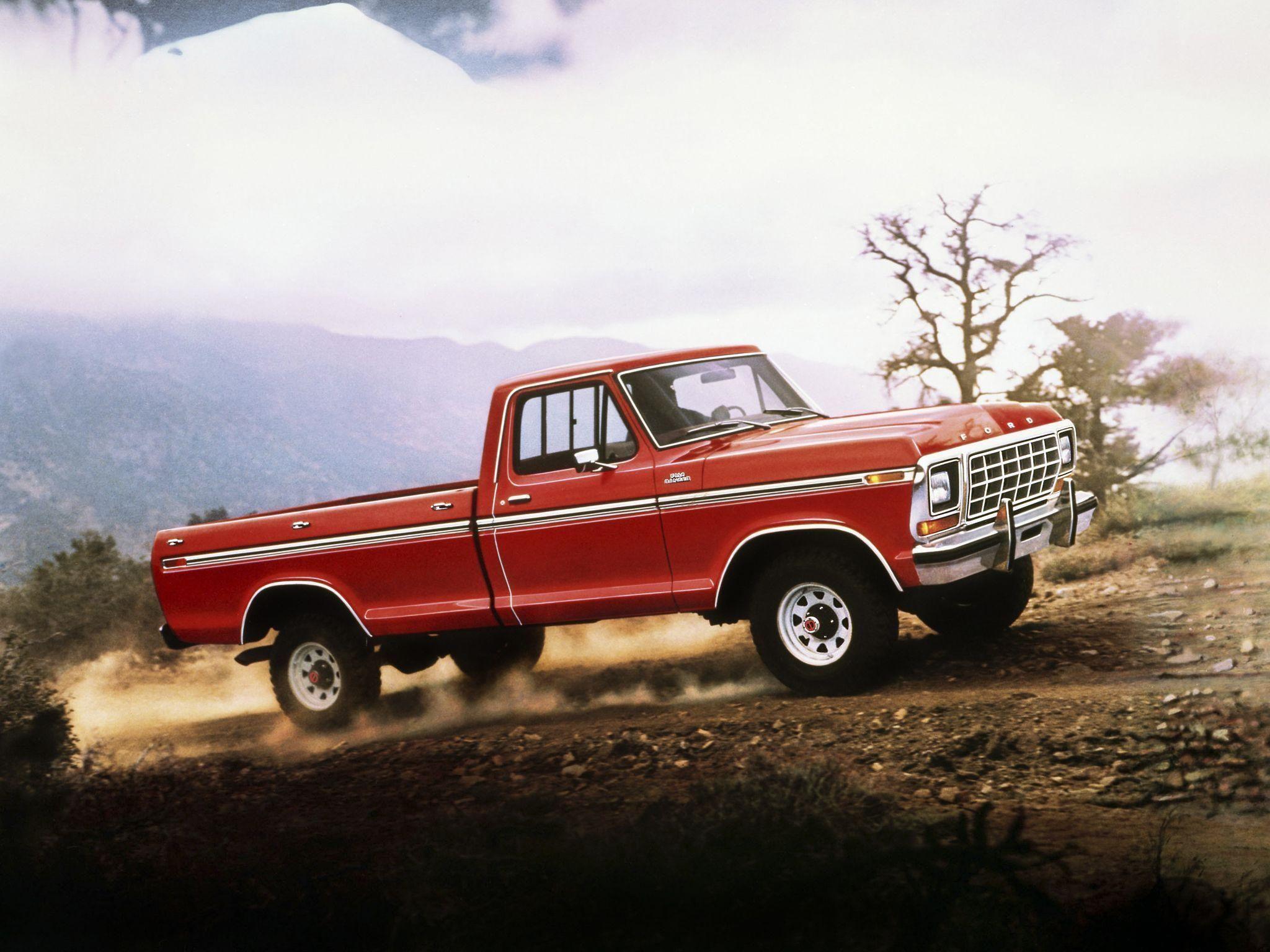
By six o’clock, the old 352 sat on the engine stand in Mom’s machine shed, clean and complete, painted Ford blue with a fresh can of engine enamel I’d picked up at the auto parts store in Hastings.
Mom came out of the house and stood in the doorway of the machine shed, looking at it.
“It looks new,” she said.
“It is new,” Lowell said. “Inside, anyway.”
“Can it go back in the truck?”
“Next Saturday,” I said. “And then you can drive it to the elevator.”
Mom pressed her hand against her mouth.
“Next Saturday,” she repeated.

Laura Bennett writes about complicated family dynamics, difficult conversations, and the quiet moments that change everything. Her stories focus on real-life tensions — inheritance disputes, strained marriages, loyalty tests — and the strength people find when they finally speak up. She believes the smallest decisions often carry the biggest consequences.