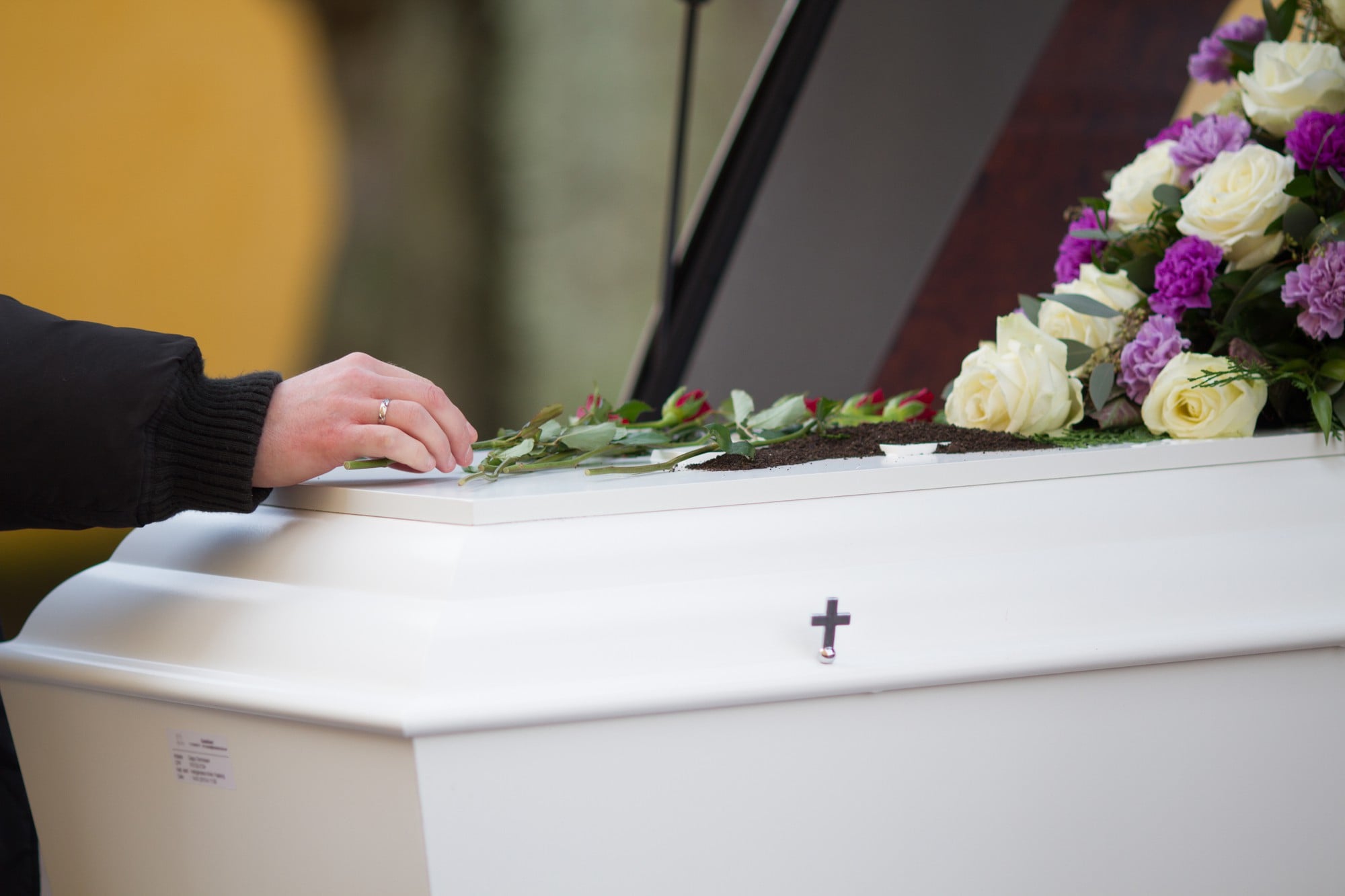
One Last Look
Part One: The Crib
The crib was still in the box.
It leaned against the wall of the second bedroom in the little apartment in Vila Mariana, São Paulo, where it had been leaning for three weeks. A flat cardboard box with a picture of a white wooden crib on the side and the words Fácil Montagem in cheerful blue letters.
Easy assembly.
Marcos Almeida had promised to build it every weekend for three weeks.
“This Saturday,” Ana Clara had said that Tuesday morning, standing in the kitchen doorway in her work blouse with her hand on her belly. “I mean it, Marcos. He’s going to come early and sleep in a laundry basket.”
“He’s not coming early,” Marcos said. He was buttering bread. “He’s a Almeida. We’re always late.”
“An Almeida,” she said. “And he’s half Ribeiro. Ribeiros are never late.”
She came across the kitchen. She kissed him on the cheek. Then on the mouth.
“Saturday,” she said.
“Saturday,” he said.
She picked up her car keys from the bowl by the door. Her bag. Her umbrella. The forecast said rain all afternoon.
At the door, she turned around.
“I’m going to Mamãe’s after work,” she said. “Gustavo’s coming too. There’s something I need to talk to him about.”
Her face changed a little. Tightened.
“What about?” Marcos asked.
“Family stuff,” she said. “I’ll tell you tonight.”
She smiled at him. That smile. The one that made him fall in love with her at a friend’s birthday party in Pinheiros nine years ago.
“Te amo,” she said.
“Te amo,” he said.
The door closed behind her.
He finished his bread. He washed his cup. He looked at the crib in the box.
Saturday, he thought.
Part Two: The Phone Call
The phone rang at 9:47 that night.
Marcos was on the couch. He’d been calling Ana Clara since seven. Every fifteen minutes. Voicemail.
He’d called her mother’s house. Dona Lúcia said Ana Clara had left at five-thirty. To drive home. Before the worst of the rain.
He’d called Gustavo. No answer.
The number on the screen was one he didn’t recognize.
“Senhor Marcos Almeida?”
A man’s voice. Calm. Tired.
“Yes.”
“This is Doctor Valdir Prado. I’m calling from the Clínica São Lucas, in Diadema.”
Marcos sat up.
“Diadema?” he said. “Why would Ana Clara be in Diadema?”
There was a pause on the line.
“Senhor Almeida,” the doctor said. “I’m very sorry. Your wife was involved in an accident on the Rodovia dos Imigrantes this evening. Near the Diadema exit. Her car left the road in the rain and struck a barrier.”
Marcos stood up. He didn’t know he was standing.
“Is she okay?” he said. “Which hospital? I’ll come right now.”
“Senhor Almeida,” the doctor said gently. “I’m so sorry. She didn’t survive.”
Part Three: Nine Years
They had met at a birthday party in Pinheiros in 2016.
She was standing on a balcony in a yellow dress, laughing at something someone had said, holding a plastic cup of guaraná because she didn’t drink. He was a structural engineer who hated parties and had been dragged there by a coworker.
He walked out onto the balcony to get away from the music.
She turned around.
“You look like a man who wants to go home,” she said.
“I am a man who wants to go home,” he said.
“Me too,” she said. “Want to get pastel at the feira instead?”
They got married two years later. At a little church in Vila Mariana, with her mother crying in the front pew and his father too proud to cry and crying anyway.
Ana Clara was a schoolteacher. Fourth grade. At a public school in Jabaquara. Her students adored her. She brought them mangoes from her mother’s tree.
They wanted a baby.
They tried for four years.
Two miscarriages. Both early. Both on rainy days, she said later, as if the weather had something to do with it.
The third time, she didn’t tell him for eleven weeks.
She waited until she’d seen the heartbeat on the ultrasound. Twice. Then she came home and put the little black-and-white picture on his pillow.
He found it at midnight. He sat on the edge of the bed and cried until she woke up.
“It’s a boy,” she said, when they found out at twenty weeks. “We’re naming him Miguel. After my father.”
“Miguel,” Marcos said.
He liked the name.
He liked everything she chose.
Part Four: The Paperwork
Things happened very fast after the phone call.
Marcos drove to Diadema in the rain. To the Clínica São Lucas. A small private clinic in a two-story building on a side street, with a pharmacy on the ground floor and a flickering neon cross on the sign.
It wasn’t a hospital. He didn’t understand why they’d taken her there.
Doctor Valdir Prado met him in a small office upstairs.
He was in his sixties. Gray hair. Reading glasses. A white coat that needed washing. He had a folder on his desk.
“The ambulance brought her here because it was closest,” Doctor Prado said. “There was nothing we could do. I’m very sorry.”
“I want to see her,” Marcos said.
The doctor hesitated.
“Senhor Almeida,” he said. “The accident was severe. I’d recommend you remember her as she was.”
“I want to see her,” Marcos said again.
The doctor took him downstairs. To a small, cold room at the back of the clinic.
She was lying on a metal table under a white sheet.
He pulled back the sheet.
She looked like she was sleeping.
There was a bruise on her forehead. A cut on her cheek. Her hair was damp. Her lips were pale.
But she looked like she was sleeping.
He touched her hand.
It was cold. So cold.
He stood there for a long time.
He didn’t remember leaving.
Doctor Prado gave him papers to sign. A death certificate. A release form.
“Normally,” the doctor said, “with a traffic accident, she would go to the Instituto Médico Legal. For an examination.”
He took off his reading glasses.
“But her brother was here,” he said. “Before you arrived. He explained the family’s wishes. He said your wife’s faith wouldn’t want an autopsy. Not with the baby.”
Marcos stared at him.
“Gustavo was here?”
“He came with the ambulance,” the doctor said. “He was following her. In his own car. He saw the whole thing.”
He handed Marcos a pen.
“He’s already arranged everything with the funeral home,” Doctor Prado said. “The ceremony is tomorrow afternoon. At Vila Alpina.”
Marcos didn’t know what he signed.
He found out later. Much later.
At the time, he only remembered the pen in his hand and the cold room and the white sheet.
Part Five: Vila Alpina
The atmosphere inside the Vila Alpina Crematorium was unbearably heavy.
It was the next afternoon. Wednesday. Still raining.
The faint scent of incense lingered in the air. It mixed with the smell of polished wood and rain-soaked clothing. Bright fluorescent lights made the solemn room feel strangely cold.
Twenty people sat in the rows of chairs. Her mother. Her aunts. A few teachers from her school. Two of Marcos’s coworkers.
Marcos stood beside his wife’s coffin.
He was struggling to accept that she was gone.
His trembling fingers rested on the polished wooden surface. He held on tightly. As though letting go would mean losing the last connection he had to her.
Inside lay Ana Clara.
His wife. The woman with whom he’d shared nine years of laughter and ordinary mornings and dreams of growing old together.
She was seven months pregnant.
Their son, Miguel, was due in two months.
Only days earlier, Ana Clara had been folding his tiny clothes. Organizing ultrasound pictures in an album. Reminding Marcos that the crib still needed to be assembled.
They had spent countless evenings imagining what their little boy would look like.
Would he have his mother’s bright eyes?
Would he have Marcos’s dark hair?
Would he laugh as easily as Ana Clara did?
Now all those dreams seemed to have disappeared in a single rainy afternoon.
Part Six: Dona Lúcia and Gustavo
Behind him, Ana Clara’s mother sat in the front row.
Dona Lúcia Ribeiro was seventy. Small and round, with white hair pulled into a bun and hands rough from forty years of washing other people’s clothes. She’d raised two children alone after her husband, Miguel, died of a heart attack in 1998.
She clutched a silver rosary in both hands. Her lips moved silently. Tears rolled down her cheeks.
Nearby, Gustavo stood against the wall with his arms folded.
Ana Clara’s older brother. Thirty-eight.
Handsome in a careless way. Expensive sneakers. A gold chain. A leather jacket he couldn’t afford.
He’d been in and out of jobs for fifteen years. A car dealership. A gym. A bar in Vila Madalena that closed after eight months. He was always starting something. He was always about to make money.
He was always borrowing.
From his mother, mostly. Her savings from forty years of washing clothes. And from Ana Clara.
She’d lent him money a dozen times. Two thousand reais. Five thousand. Once, fifteen thousand, for the bar.
He never paid it back.
His eyes were red from crying.
But his expression was unusually guarded. He kept looking at his phone. He kept looking at the door.
Marcos barely noticed.
He was too overwhelmed by grief.
Part Seven: Final Authorization
An employee approached. A young man in a dark suit, carrying a folder and a pen.
“Senhor Almeida,” he said quietly. “We’re ready to proceed. We just need your final authorization.”
Marcos stared at the paperwork.
He knew what signing it meant.
The ceremony would move forward. The coffin would be closed. And he would never see Ana Clara again.
His chest tightened.
Then he looked toward the coffin.
“Could you open it once more?” he asked quietly.
The employee hesitated.
“Senhor,” he said gently. “I understand this is difficult. But we’ve already completed the preparations.”
“Please,” Marcos whispered. “I just want to see my wife one last time.”
The desperation in his voice silenced everyone nearby.
Dona Lúcia stopped praying. An aunt lowered the glass of water she’d been holding.
Even Gustavo looked up from his phone.
After a brief pause, the funeral director nodded.
He was an older man named Seu Antônio. Forty years in the business. He’d seen a thousand grieving husbands.
“Of course,” he said. “Take your time.”
Two staff members stepped forward and carefully opened the lid.
Part Eight: The Movement
Marcos felt his knees weaken.
There she was.
Ana Clara looked peaceful. Her dark hair was arranged neatly around her face. Her hands rested gently across her chest. Someone had covered the bruise on her forehead with makeup.
She was wearing her blue dress. The one with little white flowers. The one she wore to their friend’s wedding in March, when she was five months along and complained that nothing fit.
It covered the rounded stomach that had held their son for seven months.
Marcos leaned closer.
He wanted to tell her how much he loved her.
He wanted to apologize for every unnecessary argument. Every forgotten anniversary. Every ordinary evening when he’d assumed they had unlimited time together.
He wanted to apologize for the crib.
Most of all, he wanted to promise he’d never forget her.
“Meu amor,” he whispered. His voice broke. “I wish I’d been there with you.”
He reached toward her hand.
Then something caught his attention.
The fabric over Ana Clara’s stomach shifted.
Barely.
It was such a small movement that Marcos thought he’d imagined it.
He blinked. He looked again.
Nothing.
Perhaps someone had moved behind him. Casting a shadow across the dress.
Perhaps grief was making him see things.
He closed his eyes.
When he opened them, the fabric moved again.
A tiny flutter.
Just above her navel. Under the little white flowers.
Marcos stopped breathing.
He’d felt that flutter before. A hundred times. Lying in bed at night with his hand on her belly. Miguel kicking. Rolling. Hiccuping.
Feel that? Ana Clara would say. He’s doing his capoeira again.
“Wait,” Marcos whispered.
Part Nine: Don’t Close It
The employee beside him turned.
“Senhor?”
Marcos raised his hand.
“Don’t close the coffin,” he said.
Seu Antônio stepped forward. Concerned.
“Senhor Almeida,” he said. “Is something wrong?”
Marcos pointed toward Ana Clara’s stomach.
“I just saw movement,” he said.
Nobody responded.
The room was completely silent.
Then he said it again. Louder.
“Her stomach moved!”
Seu Antônio put a hand on his shoulder. Gently.
“Senhor,” he said. “Sometimes, after death, the body—there can be small movements. Gases. Settling. It’s natural. It doesn’t mean—”
“It’s not that,” Marcos said.
He gently placed his hand over the fabric. Over the little white flowers.
For several seconds, he felt nothing.
Then.
A tiny push. Against his palm.
His eyes widened.
“Miguel?” he whispered.
His voice trembled.
“Son? Is that you?”
He looked up. Desperate.
“Call an ambulance,” he said. “Please. Call someone right now!”
Part Ten: The Room
The quiet funeral room filled with anxious voices.
Dona Lúcia stood so quickly that her chair scraped against the floor.
“What happened?” she cried. “Marcos, what did you see?”
“I think the baby might still be alive!” Marcos said.
Dona Lúcia covered her mouth with both hands. The silver rosary swung from her fingers.
Several relatives hurried toward the coffin. The aunt dropped her glass of water. It shattered on the tile.
Seu Antônio didn’t argue anymore.
He’d been in the business forty years. He’d never seen a grieving husband look like that.
He took out his phone. He dialed 192. SAMU. The emergency ambulance service.
“This is the Vila Alpina Crematorium,” he said. “We need an ambulance. Immediately.”
He looked at the coffin.
“I’m not sure what we have,” he said. “But we need someone here now.”
The ceremony was suspended.
Marcos stayed beside Ana Clara.
He kept his hand on her stomach. He didn’t take his eyes off her.
He knew there might be an explanation he didn’t understand.
But he wasn’t going to sign anything. Not one paper. Not until a doctor looked.
Part Eleven: Gustavo’s Face
Then, through the confusion, Marcos noticed something strange.
Gustavo had stepped away from the family.
Instead of rushing toward his sister, he was moving toward the back of the room.
Toward the exit.
His face had gone white.
Completely white. Like the sheet in the clinic in Diadema.
For a brief moment, Marcos saw an expression that didn’t look like grief.
It looked like fear.
Gustavo realized Marcos was watching him.
He lowered his eyes. Quickly. He looked at his phone.
Marcos found the reaction unsettling.
He’d known Gustavo for nine years. The borrowed money. The failed businesses. The gold chain and the leather jacket.
He’d never liked him. Not really. But he’d tolerated him. For Ana Clara. For Dona Lúcia.
He couldn’t understand why Gustavo looked more afraid of what was happening than hopeful about it.
His sister’s son might be alive.
And Gustavo looked like he wanted to run.
But there would be time to think about that later.
Right now, only one thing mattered.
Miguel.
Part Twelve: The Paramedics
Outside, the sirens grew louder.
Within eight minutes, two paramedics from SAMU came through the doors of the crematorium. A man and a woman. In orange jumpsuits. Carrying a stretcher and two cases of equipment.
The funeral staff cleared a path.
The lead paramedic was a man named Thiago. Forty. Short and broad. With a calm face that had seen everything.
He approached the open coffin.
He stopped.
He looked at Ana Clara for a long moment.
Marcos’s hands were shaking uncontrollably.
“Please,” he said. “I saw her stomach move. More than once. I felt it. Under my hand.”
Thiago nodded.
“We’ll check immediately,” he said.
His partner, a young woman named Juliana, opened one of the cases. She took out a small portable Doppler. A handheld fetal heart monitor.
She squeezed gel onto the probe. She gently pulled back the blue fabric of Ana Clara’s dress.
She pressed the probe against Ana Clara’s stomach.
The room fell silent.
Dona Lúcia clutched her rosary so tightly her knuckles turned white.
Marcos watched the little monitor. Afraid to breathe.
Static.
Juliana moved the probe. Slowly. Searching.
More static.
A few seconds passed.
Then several more.
Juliana adjusted the probe. Lower. To the left.
Then—
Whoosh-whoosh. Whoosh-whoosh. Whoosh-whoosh.
Fast. Faint. Rhythmic.
Like a tiny horse galloping very far away.
Juliana looked up at Thiago.
They exchanged a startled glance.
“Fetal heartbeat,” Juliana said quietly. “One hundred and twenty. Low. But there.”
Thiago turned to Marcos.
“Senhor Almeida,” he said. “We have detected a fetal heartbeat.”
Marcos stared at him.
“What?”
“The baby appears to be alive,” Thiago said.
Part Thirteen: Frozen
For a moment, Marcos couldn’t move.
Then his legs gave out.
He grabbed the edge of a chair.
Dona Lúcia began to cry. A different kind of crying. Disbelief and terror and fragile, fragile hope.
Around them, the funeral staff stood speechless.
But Thiago wasn’t looking at Marcos anymore.
He was looking at Ana Clara.
At her face.
He frowned.
He took two fingers. He pressed them gently against the side of her neck.
He held them there.
Five seconds. Ten.
His face changed.
“Juliana,” he said. His voice was very quiet. “Give me the oximeter.”
Juliana looked at him.
“Thiago,” she said. “She’s—”
“Give me the oximeter,” Thiago said.
Juliana handed him a small clip. The kind that goes on a fingertip.
Thiago clipped it to Ana Clara’s index finger.
The little screen lit up.
Nothing.
Dashes.
Thiago didn’t move.
He watched the screen.
Then a number appeared.
SpO2: 71%.
Pulse: 38.
The room went completely silent.
Nobody moved. Nobody breathed.
Thiago looked up at Marcos.
His calm face wasn’t calm anymore.
“Senhor Almeida,” he said. “The baby has a heartbeat because the mother has a heartbeat.”
He stood up.
“She’s alive,” he said.
Part Fourteen: Alive
Everyone in the room stood frozen in disbelief.
Then Thiago moved.
“Juliana! Oxygen! Now! Bag her!”
Juliana grabbed the oxygen mask. She fitted it over Ana Clara’s face. She squeezed the bag. Once. Twice.
Thiago tore open a package. An IV kit.
“Warm blankets!” he shouted at the funeral staff. “Anything you have! She’s hypothermic!”
Seu Antônio ran.
“Pulse thirty-eight,” Thiago said. “Bradycardic. Hypothermic. Respirations—” He leaned close. He watched her chest. “Respirations four. Maybe five. Shallow.”
He looked at Juliana.
“This woman,” he said, “has been breathing four times a minute for twenty hours.”
They lifted her out of the coffin.
Onto the stretcher.
Juliana squeezed the oxygen bag. Thiago got an IV into her arm on the second try. Seu Antônio came back with three blankets from the staff room.
Dona Lúcia was on her knees on the tile floor. Praying. Sobbing.
Ave Maria, cheia de graça.
Marcos stood beside the stretcher.
He couldn’t speak.
He was holding Ana Clara’s hand.
It was cold. So cold.
But now he could feel it.
Under his thumb. Faint. Slow.
Her pulse.
Part Fifteen: The Officer
A police officer had arrived with the ambulance.
A woman. Investigadora Renata Souza. Forty-five. From the Polícia Civil. She’d been at the station across the street when the call came in.
She stood by the door, watching the paramedics work.
Then she picked up the folder.
The funeral home’s folder. With the paperwork. The death certificate from the Clínica São Lucas.
She opened it.
She read it.
She frowned.
Date of death: 14 May. Time of death: 17:52.
Place of death: Clínica São Lucas, Diadema.
Cause of death: Polytrauma secondary to traffic accident.
Physician: Dr. Valdir Prado, CRM 48217.
Then she pulled out her phone.
She called someone at the station. She asked them to look something up.
She waited.
Her face changed.
The accident report from the Polícia Rodoviária. The highway police.
Vehicle off road. Rodovia dos Imigrantes, km 23. Reported by passing motorist.
Time of call: 18:19.
Twenty-seven minutes.
The death certificate said Ana Clara died at 5:52 p.m.
At the clinic.
The accident wasn’t reported until 6:19.
It was only a small discrepancy.
Not enough to prove anyone had done anything wrong.
But enough to raise questions.
Part Sixteen: The Exit
Investigadora Souza looked up from the paperwork.
She looked around the room.
At the paramedics working on the stretcher. At the mother on her knees. At the husband holding his wife’s hand.
At the man in the leather jacket by the exit door.
Gustavo had his hand on the door handle.
He was looking at the paramedics. At the stretcher. At his sister’s face under the oxygen mask.
Then at the paperwork in the officer’s hands.
Then at the exit.
Their eyes met.
“Senhor,” Investigadora Souza said. “Are you family?”
Gustavo didn’t answer.
“Senhor,” she said again. “I asked you a question.”
Gustavo let go of the door handle.
He tried to smile.
“I’m her brother,” he said. “I was just—going to get some air.”
“Stay,” Investigadora Souza said. “Please. I’ll have some questions.”
Marcos looked up from the stretcher.
He looked at Gustavo.
For the second time that afternoon, Marcos wondered why his brother-in-law seemed so frightened.
Part Seventeen: Hospital São Paulo
The ambulance took Ana Clara to Hospital São Paulo. The big university hospital in Vila Clementino. With the sirens screaming through the rain.
Marcos rode in the back. Holding her hand.
Juliana squeezed the oxygen bag the whole way.
They took her straight to the emergency room. A team was waiting. Six doctors. Eight nurses. An obstetrician. A neonatologist. A toxicologist.
They took her through the double doors.
Marcos tried to follow.
A nurse stopped him.
“Senhor,” she said. “You have to wait here.”
He waited.
Dona Lúcia came an hour later. A cousin drove her. She sat beside Marcos in the plastic chairs. She held his hand. She didn’t let go.
At nine-forty that night, a doctor came through the double doors.
A woman. Fifty. Short gray hair. Exhausted eyes.
Doctora Helena Martins. Head of the obstetric ICU.
“Senhor Almeida?”
Marcos stood up. His legs shook.
“Your son was born at 8:51 p.m.,” Doctora Martins said. “By emergency cesarean.”
Marcos couldn’t breathe.
“He’s small,” she said. “Thirty-one weeks. One kilo, six hundred grams. He’s in the neonatal ICU. On oxygen. But he’s breathing on his own.”
She paused.
“He’s strong,” she said. “Stronger than he has any right to be.”
Marcos sat back down. Hard.
He put his face in his hands.
Dona Lúcia was sobbing beside him.
“And my wife?” Marcos asked. Into his hands.
Doctora Martins was quiet for a moment.
“She’s alive,” she said. “In the ICU. On a ventilator. In a coma.”
She sat down in the plastic chair across from him.
“Senhor Almeida,” she said. “I need to ask you something.”
He looked up.
“Did your wife take sleeping pills?” Doctora Martins asked. “Or any kind of sedative?”
Marcos stared at her.
“No,” he said. “Never. She’s pregnant. She wouldn’t even take Tylenol.”
Doctora Martins looked at him for a long time.
“We ran a toxicology panel,” she said. “There’s a very high level of a sedative in her blood. A barbiturate. Phenobarbital.”
She paused.
“Enough to slow her heart and her breathing almost to nothing,” she said. “Enough to make her look dead to someone who didn’t look very carefully.”
She leaned forward.
“And the hypothermia,” she said. “From the rain. From lying in that cold room. It slowed everything down even more. It probably kept her brain alive.”
“And the baby,” she said quietly.
Marcos couldn’t speak.
“Senhor Almeida,” Doctora Martins said. “Someone gave your wife enough phenobarbital to stop her heart.”
She looked at him.
“That wasn’t an accident,” she said.
Part Eighteen: Dona Lúcia’s Pills
Dona Lúcia made a sound.
A small, terrible sound.
Marcos turned to her.
She had her hand over her mouth. Her eyes were wide.
“Phenobarbital,” she whispered.
“Dona Lúcia?”
“My pills,” she said. “For my seizures. I’ve taken them since 1990.”
She looked at Marcos.
“I keep them in the kitchen,” she said. “In the cabinet over the sink. In the big bottle.”
She was shaking.
“Ana Clara came to my house yesterday,” she said. “After school. To talk to Gustavo. They argued in the kitchen. I was in the bedroom.”
Her face crumpled.
“I made coffee,” she said. “Then I went to lie down. Because my head hurt. Gustavo said he’d pour it.”
Marcos went very cold.
“When I got up,” Dona Lúcia said, “Ana Clara had already left. Gustavo said she wasn’t feeling well. He said she was going home to rest.”
She looked at her hands.
“He said he’d follow her,” she said. “To make sure she got home safe. In the rain.”
Part Nineteen: What Ana Clara Knew
Investigadora Souza came to the hospital at eleven that night.
She sat with Marcos and Dona Lúcia in a small family room off the ICU.
She had a folder.
“We’ve arrested Doctor Valdir Prado,” she said.
Marcos stared at her.
“He’s sixty-four,” she said. “He lost his license to practice at a public hospital in 2016. For selling prescriptions. He works at the Clínica São Lucas now. Off the books.”
She opened the folder.
“He has gambling debts,” she said. “So does Gustavo Ribeiro. They owe the same people.”
“Yesterday at 5:30 p.m.,” Investigadora Souza said, “Gustavo called Doctor Prado. We have the phone records.”
She looked at Marcos.
“At 5:52,” she said, “Doctor Prado signed a death certificate for your wife. Before the accident was ever reported.”
“He never examined her,” she said. “He never checked a pulse. He never listened to her chest. Gustavo brought her into the clinic’s back door at 6:40, said she’d been in an accident, and Doctor Prado filled in a form he’d already signed. For five thousand reais.”
“And the car?” Marcos asked. His voice was barely a whisper.
“The highway police found your wife’s car off the road at kilometer 23,” Investigadora Souza said. “Against the barrier. With the airbag deployed.”
She paused.
“But the driver’s seat,” she said, “was pushed all the way back. Further than a woman five-foot-four could reach the pedals.”
Marcos closed his eyes.
“We think Gustavo drove her car,” Investigadora Souza said. “With her in the passenger seat. Already unconscious. He ran it into the barrier at low speed. Moved her to the driver’s seat. Called it in from a pay phone at a gas station. Then followed the ambulance in his own car.”
“Why?” Dona Lúcia whispered. “Why would my son do that to his sister?”
Investigadora Souza looked at her for a long time.
Then she took something out of the folder.
A piece of paper. A photocopy.
“We found this in your daughter’s school bag,” she said. “In her car.”
Part Twenty: The Letter
It was a letter.
In Ana Clara’s handwriting. Addressed to Gustavo. Dated two days before.
She had never sent it. She’d brought it to her mother’s house to give to him in person.
Investigadora Souza handed it to Marcos.
He read it out loud. So Dona Lúcia could hear.
Gustavo,
I know about the loan. The one in Mamãe’s name. Forty thousand reais, from the financeira in Santo Amaro. With her signature that isn’t her signature.
I know about her savings account too. It’s empty. Forty years of washing clothes. You took all of it.
I’m giving you until Friday to tell her yourself. And to go to the financeira and admit what you did.
If you don’t, I’m going to the police.
I love you. You’re my brother. But I can’t let you do this to her anymore.
— Ana
Dona Lúcia was weeping.
“My savings,” she whispered. “I didn’t know. I haven’t looked at the account since Christmas.”
Marcos sat in the plastic chair with the letter in his hands.
There’s something I need to talk to him about, Ana Clara had said. In the kitchen doorway. Tuesday morning. With her hand on her belly.
Family stuff. I’ll tell you tonight.
She never came home to tell him.
Part Twenty-One: Gustavo
Gustavo was arrested at three o’clock the next morning.
At a friend’s apartment in Guarulhos. Near the airport. With a backpack and a bus ticket to Paraguay.
He confessed two days later.
To everything.
He’d put six of his mother’s phenobarbital tablets in Ana Clara’s coffee. Crushed. In the sugar.
He’d waited until she got dizzy and confused. He’d told her he’d drive her home. He’d put her in the passenger seat of her own car.
He’d driven her car into the barrier on the Imigrantes. He’d moved her to the driver’s seat.
He’d called Doctor Prado.
“I didn’t want to hurt her,” Gustavo said in his statement. “I just wanted her to stop. I thought—if she was gone—the letter would be gone. The loan would be gone. Mamãe would never know.”
He’d cried during the interrogation.
“I didn’t think about the baby,” he said. “I swear to God. I didn’t think about Miguel.”
Investigadora Souza told Marcos that part.
She didn’t tell him the rest.
He found out later. In court. The part where Gustavo said that when Marcos asked to open the coffin one last time, he almost screamed.
“I knew if anybody looked close,” Gustavo said, “they’d see. She didn’t look dead. Not really. She looked like she was sleeping.”
Part Twenty-Two: The NICU
Marcos saw his son for the first time at six o’clock the next morning.
The neonatal ICU at Hospital São Paulo is a long, bright room with rows of incubators. Machines beeping softly. Nurses in pink scrubs moving quietly between them.
Miguel’s incubator was by the window.
Marcos stood beside it.
He looked down.
His son was so small.
One kilo, six hundred grams. Smaller than a bag of rice. With a tiny oxygen tube in his nose and a feeding tube in his mouth and wires taped to his chest.
His skin was red and thin. His fists were curled up by his face.
He had a full head of dark hair.
Marcos’s hair.
The nurse opened the little porthole on the side of the incubator.
“You can touch him,” she said. “Gently.”
Marcos put his hand through the porthole.
He touched his son’s fist with one finger.
Miguel opened his hand.
He wrapped his tiny fingers around Marcos’s finger.
He held on.
Marcos stood in the NICU at six o’clock in the morning and cried like he’d never cried in his life.
Part Twenty-Three: Waiting
Ana Clara stayed in a coma for nineteen days.
The doctors didn’t know if she’d wake up.
The phenobarbital had slowed her heart and her breathing almost to nothing for almost twenty hours. Her brain had been without enough oxygen for a long time.
The cold had protected her. They knew that. The hypothermia slowed her brain’s need for oxygen.
But they didn’t know how much.
Doctora Martins was honest.
“She might wake up and be fine,” she said. “She might wake up and not be fine. She might not wake up.”
She put her hand on Marcos’s shoulder.
“We just have to wait,” she said.
Marcos waited.
Every morning, he went to the NICU. He sat by Miguel’s incubator. He put his hand through the porthole. He let his son hold his finger.
Then he went to the adult ICU. He sat beside Ana Clara’s bed. He held her hand.
He talked to her. About Miguel. About his dark hair. About how strong he was. About how he held on.
Every night, he went home to the apartment in Vila Mariana.
To the crib in the box.
On the fourth night, he opened the box.
He built the crib.
It took him three hours. The instructions were in Portuguese, English, and Spanish, and none of them made sense. He had four screws left over.
When he was done, he stood back and looked at it.
A white wooden crib. In the corner of the second bedroom. Under the window.
He sat down on the floor beside it.
“Saturday,” he said out loud.
To nobody.
To her.
Part Twenty-Four: Dona Lúcia
Dona Lúcia came to the hospital every day.
She sat in the plastic chair beside Ana Clara’s bed. With her silver rosary. Praying.
On the eighth day, Marcos found her crying in the hallway outside the ICU.
He sat down beside her on the bench.
“He’s my son,” Dona Lúcia said. “Gustavo. I carried him for nine months. I nursed him. I sang him to sleep.”
She wiped her eyes.
“I washed clothes for forty years so he could go to school,” she said. “So both of them could.”
She looked at the ICU doors.
“And he did that,” she said. “To his sister. To his nephew. For forty thousand reais.”
Marcos didn’t know what to say.
“I should have seen it,” Dona Lúcia said. “All those years. All that borrowing. The gold chain. The leather jacket. I told myself he was trying.”
She shook her head.
“Ana Clara saw it,” she said. “She always saw it. She tried to tell me. For years.”
“I didn’t want to look,” Dona Lúcia said.
She looked at Marcos.
“You looked,” she said quietly. “At the crematorium. Everybody told you there was nothing to see.”
She took his hand.
“And you asked to open it anyway,” she said.
Part Twenty-Five: Day Nineteen
On the nineteenth day, Ana Clara opened her eyes.
It was a Sunday. Early morning. Raining again.
Marcos was asleep in the chair beside her bed. With his head on the edge of the mattress. Holding her hand.
He felt her fingers move.
He sat up.
Her eyes were open.
Brown. Bright. Confused.
She was looking at the ceiling. Then at the machines. Then at him.
She couldn’t talk. There was a tube in her throat.
But she squeezed his hand.
Marcos pressed the call button so hard he cracked the plastic.
Part Twenty-Six: The First Word
They took the breathing tube out that afternoon.
Ana Clara’s voice was a rasp. A whisper. Barely there.
Doctora Martins stood at the foot of the bed. Two nurses. Dona Lúcia in the corner with her rosary.
Marcos holding her hand.
Ana Clara looked at him.
Her lips moved.
He leaned close.
“Miguel?” she whispered.
Marcos started to cry.
“He’s here,” he said. “He’s here, meu amor. Upstairs. In the NICU. He’s two kilos now.”
Ana Clara closed her eyes.
Tears ran down the sides of her face onto the pillow.
Then she opened them again.
She looked at him.
Her lips moved.
He leaned close again.
“The crib,” she whispered.
Marcos laughed. Through tears.
“I built it,” he said. “Night four. It took three hours. I have four screws left over.”
Ana Clara smiled.
That smile. The one from the balcony in Pinheiros.
“Ribeiros,” she whispered, “are never late.”
Part Twenty-Seven: Remembering
She didn’t remember much.
She remembered going to her mother’s house after school. The rain. Gustavo in the kitchen.
She remembered the letter in her bag.
She remembered the coffee. Too sweet. She thought her mother had put in too much sugar.
She remembered getting dizzy. Her head spinning.
She remembered Gustavo putting his hand on her arm. Saying, I’ll drive you home, irmã.
She remembered the passenger seat. The windshield wipers.
Then nothing.
“Nothing until the ICU,” she said. “Nothing until you.”
She found out the rest slowly.
Over the next weeks. In pieces. From Marcos. From her mother. From Investigadora Souza, who came to visit with a bouquet of sunflowers.
The clinic in Diadema. The death certificate. The crematorium.
The coffin.
When Marcos told her about the coffin, she was quiet for a long time.
“You asked them to open it,” she said finally.
“I wanted to see you one more time,” Marcos said.
“Everybody told you there was nothing to see,” Ana Clara said.
“Everybody,” Marcos said.
She looked at him.
“Why did you ask?” she said.
Marcos thought about it.
He thought about the papers. The pen. The folder. We just need your final authorization.
“Because I didn’t want to sign something,” he said, “without looking first.”
Part Twenty-Eight: Holding Him
Ana Clara held Miguel for the first time on day twenty-six.
They brought her up to the NICU in a wheelchair. She was still weak. She couldn’t walk more than a few steps. Her voice was still hoarse.
The nurse lifted Miguel out of the incubator. With his oxygen tube and his wires. Two kilos, three hundred grams now.
She put him on Ana Clara’s chest. Skin to skin. Under her hospital gown.
Ana Clara looked down at him.
At his dark hair. His red, wrinkled face. His tiny fists.
He opened his eyes.
He looked up at his mother.
“Oi, Miguel,” she whispered. “Sou eu. É a mamãe.”
Hi, Miguel. It’s me. It’s Mama.
Miguel looked at her for a long time.
Then he opened his tiny fist.
He grabbed her finger.
He held on.
Ana Clara cried.
Marcos cried.
The nurse cried.
Dona Lúcia, standing in the doorway with her rosary, sobbed so loudly another nurse came over to check on her.
“He kicked,” Ana Clara whispered. Looking at Marcos. “In the coffin. He kicked so you’d see.”
Marcos knelt down beside the wheelchair.
He put his hand on his son’s tiny back.
“He’s a Ribeiro,” Marcos said. “He wasn’t going to be late.”
Part Twenty-Nine: The Trial
Gustavo Ribeiro was convicted in the spring.
Attempted murder. Two counts. One for Ana Clara. One for Miguel.
Fraud. Forgery. Theft from an elderly person.
He was sentenced to twenty-two years.
Doctor Valdir Prado was convicted too.
Falsifying a death certificate. Accessory to attempted murder. Practicing medicine illegally.
Fourteen years.
The Clínica São Lucas was shut down.
The case was in every newspaper in Brazil. On every television channel. Grávida Declarada Morta Acorda no Velório. Pregnant Woman Declared Dead Wakes Up at Her Own Funeral.
Reporters camped outside the hospital for weeks.
The state legislature passed a new law.
Lei Ana Clara.
It requires that every death certificate in the state of São Paulo for a sudden or violent death be confirmed by a second, independent physician. In person. With a documented examination.
It requires that every body be checked for signs of life before a funeral can proceed. A pulse. A heartbeat. A pupil response.
It requires that the next of kin be offered one final viewing before cremation.
Ana Clara testified before the legislature.
In a wheelchair. Still weak. With Miguel in a carrier on her chest.
“I was declared dead by a man who never touched me,” she said. “My son and I were twenty minutes from being cremated.”
She looked at the legislators.
“We’re alive,” she said, “because my husband asked to see me one more time.”
She put her hand on Miguel’s head.
“Every family deserves that chance,” she said. “To look one more time. To ask one more question.”
The law passed unanimously.
Part Thirty: Dona Lúcia’s Visit
Dona Lúcia visited Gustavo in prison once.
She went by herself. On a bus. To the Penitenciária in Tremembé. Two hours each way.
She sat across from her son in a visiting room with plastic chairs and a guard by the door.
She didn’t tell anyone what she said.
When she came home, she went to Ana Clara’s apartment in Vila Mariana.
She sat on the couch. She held Miguel on her lap.
She didn’t say anything for a long time.
“He asked if I forgave him,” Dona Lúcia said finally.
Ana Clara looked at her.
“What did you say?” she asked.
Dona Lúcia looked down at her grandson.
At his dark hair. His fists. His eyes.
“I said I’m his mother,” Dona Lúcia said. “I’ll always be his mother.”
She swallowed.
“But I’m Miguel’s grandmother too,” she said. “And I’ll never let anyone hurt this baby again.”
She kissed the top of Miguel’s head.
“Not even my own son,” she said.
Part Thirty-One: One Year
It’s May again now.
One year.
Miguel is a year old. Ten kilos. Healthy. Loud. He crawls everywhere. He pulls the books off the shelves and chews on the corners.
He has his father’s dark hair.
He has his mother’s bright eyes.
And he laughs as easily as Ana Clara does.
Ana Clara is back at school. Fourth grade. In Jabaquara.
Her voice came back. Slowly. Her strength came back. Slowly. She still gets tired in the afternoons. She still has headaches sometimes, when it rains.
But she’s alive.
Her students made her a banner when she came back. It hung over the classroom door for a month.
BEM-VINDA DE VOLTA, PROFESSORA ANA!
Welcome back, Teacher Ana.
Underneath, in smaller letters, in a ten-year-old’s handwriting:
We’re glad you weren’t late.
Part Thirty-Two: The Crib
Last night, Marcos stood in the doorway of the second bedroom.
The white wooden crib was in the corner. Under the window. Where he built it on night four.
Miguel was asleep inside it. On his back. Arms flung over his head. His mouth open.
Ana Clara came and stood beside him.
She leaned her head on his shoulder.
“Marcos,” she said quietly. “Can I tell you something?”
“Always.”
“Doctora Martins told me something,” Ana Clara said. “At my last checkup. About the hypothermia.”
She looked at the crib.
“She said the cold saved me,” Ana Clara said. “It slowed everything down. My heart. My brain. My breathing. It kept me alive long enough.”
She paused.
“She said a few more hours,” Ana Clara said, “and I’d have been gone. Really gone. Miguel too.”
Marcos didn’t say anything.
“She said it was a miracle you noticed,” Ana Clara said. “That faint movement. Under a dress. In a room full of people who’d already decided I was dead.”
She looked up at him.
“She asked me why you looked so closely,” Ana Clara said. “When nobody else did.”
“What did you tell her?” Marcos asked.
Ana Clara smiled.
“I told her you’re an engineer,” she said. “You measure everything twice.”
Marcos laughed.
Then he looked at the crib. At his son. Sleeping. Breathing. Alive.
“That’s not why,” he said quietly.
“Then why?” Ana Clara asked.
Marcos was quiet for a long time.
“When you love someone,” he said finally, “you don’t stop looking at them. Not even when everyone tells you there’s nothing left to see.”
Ana Clara didn’t say anything.
She just held his hand.
In the crib, Miguel stirred.
He kicked one tiny foot in his sleep.
Then he was still.
Marcos watched him.
He watched the blanket rise and fall. Rise and fall.
He didn’t look away.
He never will.

Sophia Rivers is an experienced News Content Editor with a sharp eye for detail and a passion for delivering accurate and engaging news stories. At TheArchivists, she specializes in curating, editing, and presenting news content that informs and resonates with a global audience.
Sophia holds a degree in Journalism from the University of Toronto, where she developed her skills in news reporting, media ethics, and digital journalism. Her expertise lies in identifying key stories, crafting compelling narratives, and ensuring journalistic integrity in every piece she edits.
Known for her precision and dedication to the truth, Sophia thrives in the fast-paced world of news editing. At TheArchivists, she focuses on producing high-quality news content that keeps readers informed while maintaining a balanced and insightful perspective.
With a commitment to delivering impactful journalism, Sophia is passionate about bringing clarity to complex issues and amplifying voices that matter. Her work reflects her belief in the power of news to shape conversations and inspire change.