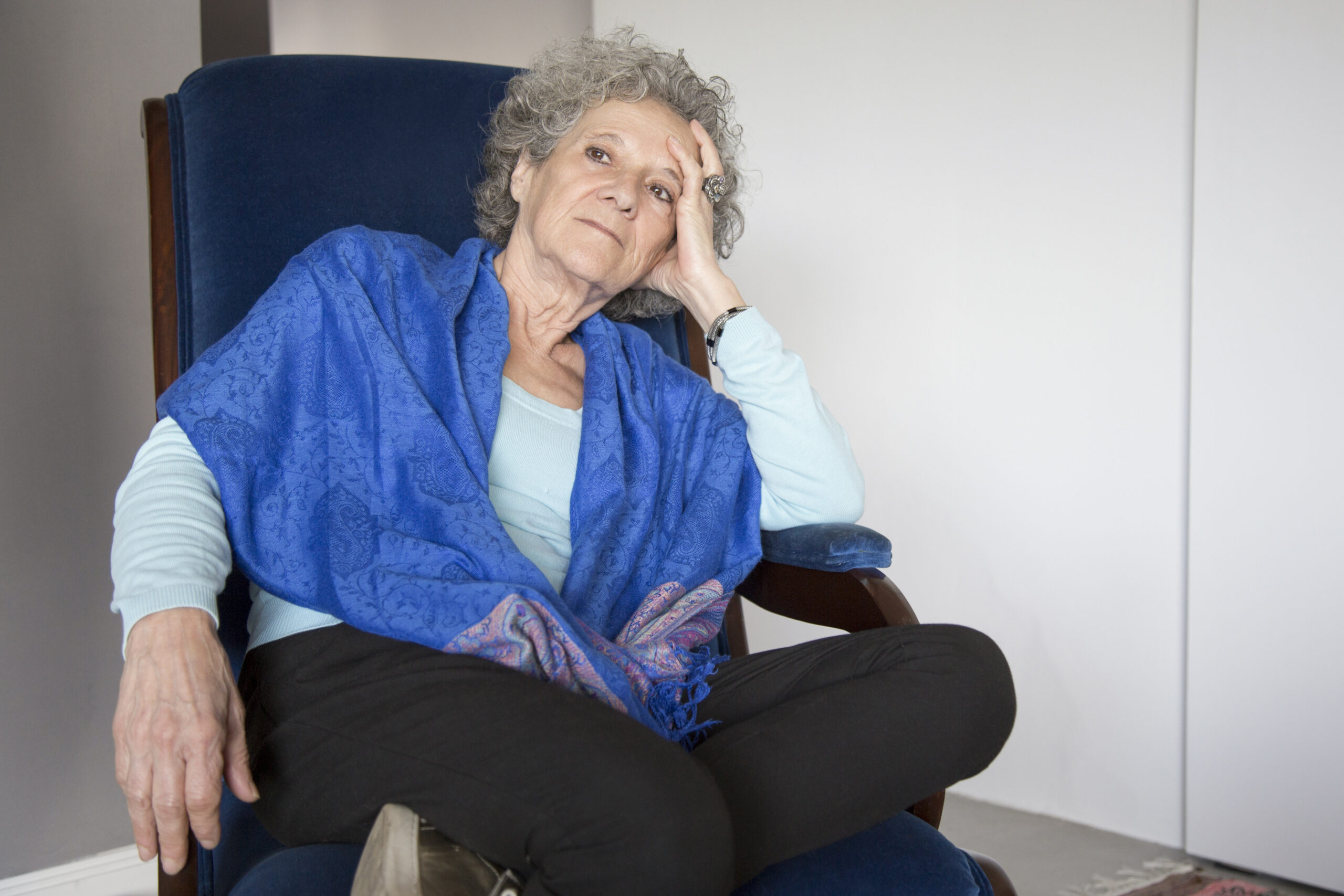
That was a year ago.
Pat kept her apartment. The housing fund covered January, as Clare had promised, and in early February Pat got a letter from the court saying the case had been dismissed. She brought it over to my house and we read it together at my kitchen table, twice, and then she folded it up and put it in her purse and said she was going to keep it forever. That same month she got a job as a receptionist at a dental office in Hamilton, the same one where I’ve been getting my teeth cleaned for fifteen years. She says it’s the first job she’s ever had where she gets to sit down. Now she’s the one who reminds me when I’m overdue for a cleaning.
She calls me every Tuesday night, and we talk for an hour about the kids and Renee and nothing much at all. Last month she told me she’d opened a savings account at the credit union and put fifty dollars in it from every paycheck. “It’s not much,” she said. “But it’s mine, and nobody can file anything against it.”
Adam and Renee didn’t buy the ranch house with the finished basement. Somebody else closed on it in January. They decided to wait and save a little longer, and Adam’s bank renewed their pre-approval in the fall. They’re looking again this spring.
In March, Adam sat down at my kitchen table on a Sunday afternoon and asked me whether I’d be willing to help with the down payment. Just a little. He asked plainly, with no hinting and no waiting around for me to offer. He even had a folder with him, with their savings statement and the lender’s numbers printed out, and he slid it across the table to me like he was applying for a loan, which in a way I suppose he was. I said yes. I said yes because he asked.
Renee and I have lunch once a month, just the two of us, usually at the Panera on Main Street because she likes the soup. She tells me things now. About her father, who left. About growing up without much money, and wearing her cousin’s hand-me-down coats, and pretending to be sick on field trip days when there wasn’t money for the bus fee. About the kind of shame that settles into you as a little girl and makes you push people away before they can get close enough to see. I tell her about Walter and the tuna casserole years, and about falling apart quietly in my kitchen.
In October, over soup, she told me she’d started following Westdale’s Facebook page again. She said she’d read the post about my donation about fifty times.
“I hated it at first,” she said. “I thought you were showing off. Rubbing it in my face.” She looked down at her bowl. “Now I read it when I’m having a bad day. To remind myself that people are good, even when you’ve decided they’re not.”
On the first Tuesday of every month, Adam drives over to Hamilton after work and volunteers at Westdale. Clare put him on the repair crew, and he’s terrible at it. He is nothing like his father with his hands. But Gus has taken him on as a project, the way Walter once took on the freezer that sounded like a goose.
Last month, Adam fixed the hinge on the supply cabinet. The gray one with the paper snowflake and the masking tape that says WALT’S CABINET. He called me afterward from the parking lot.
“Mom,” he said. “I fixed Dad’s cabinet.”
“I heard.”
“It took me three hours,” he said. “Gus had to show me twice. Clare says Dad did it in twenty minutes.” He was quiet for a second. “It closes perfectly now.”
“It’ll outlive us both,” I said, and he laughed.

Adrian Hawthorne is a celebrated author and dedicated archivist who finds inspiration in the hidden stories of the past. Educated at Oxford, he now works at the National Archives, where preserving history fuels his evocative writing. Balancing archival precision with creative storytelling, Adrian founded the Hawthorne Institute of Literary Arts to mentor emerging writers and honor the timeless art of narrative.