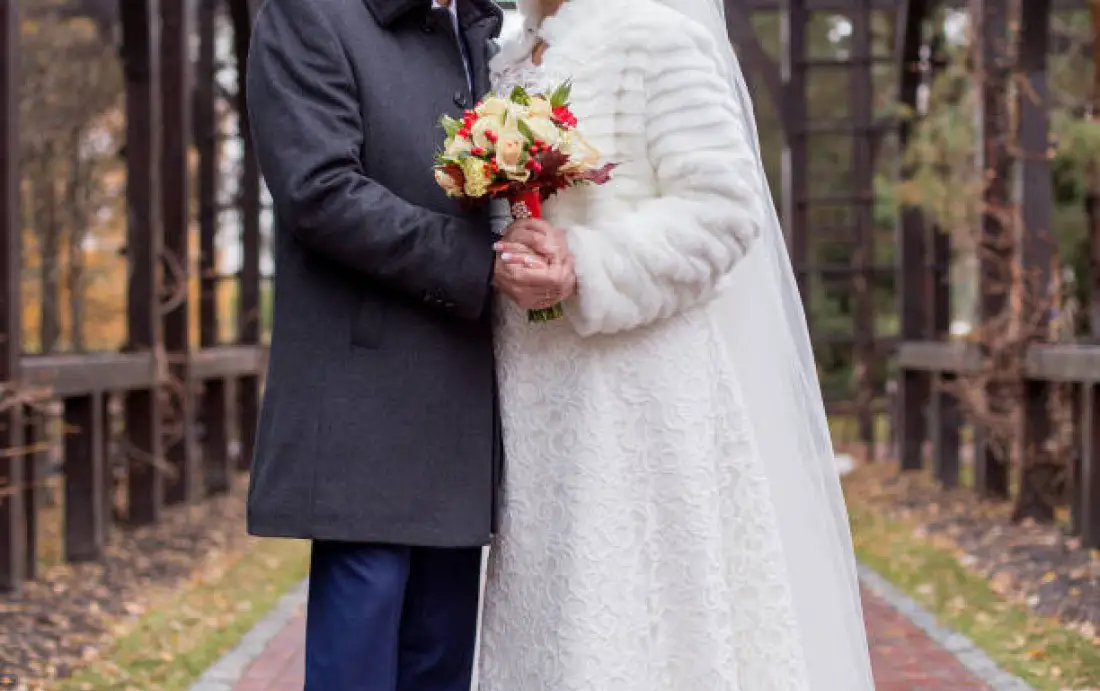
They say you’re never too old to fall in love, but apparently, according to my granddaughter, you can be too old to deserve respect. My name is Blanche, and last spring I turned eighty years old. I never imagined that at this stage of my life, I’d find myself standing on a doorstep with all my worldly possessions packed into cardboard boxes, cast out of the home where I’d been living by the very person I’d sacrificed everything to raise. But that’s exactly where I found myself, and what happened next taught my granddaughter a lesson about love, family, and respect that she’ll carry with her for the rest of her life.
Let me start at the beginning, because context matters when you’re trying to understand how families can fracture and how they can heal.
For the past several years, I’d been living in a small room in my granddaughter June’s house. It wasn’t much—just enough space for a single bed, a dresser that had belonged to my mother, and a comfortable chair by the window where I’d sit in the afternoons watching the neighborhood children play. The walls were covered with photographs spanning eight decades of life: my wedding day to June’s grandfather, pictures of my daughter as a child, June’s school photos arranged in chronological order showing her transformation from gap-toothed kindergartner to confident college graduate. Every surface held some small treasure—a ceramic bird I’d bought on a trip to Santa Fe, a music box that played “Moon River,” birthday cards from grandchildren and great-grandchildren.
It was a modest space, but it was mine, and I’d made peace with the smallness of it. After all, I’d chosen to be there.
June would breeze into my room most mornings without knocking, a habit that had started to wear on me though I never said anything. “Morning, Grandma,” she’d call out, already halfway through whatever thought had brought her to my door. She was always in a hurry, always juggling a thousand things, always moving too fast to really see me standing there.
“Morning, dear,” I’d respond, carefully folding the handmade quilt that covered my bed, the one I’d stitched myself over the course of a long winter twenty years ago. “What’s on your agenda today?”
On this particular Saturday morning, she barely paused in the doorway. “We’re taking the kids to the zoo. Do you need anything before we go?”
“No, sweetheart. I’m just fine. You all have a wonderful time.”
And then she was gone, her footsteps already echoing down the hallway, her voice calling out instructions to her husband Byron about sunscreen and snacks and making sure they had the stroller. The house would fill with the controlled chaos of a family with young children preparing for an outing—the excited squeals of her two kids, the sound of car keys being located, doors opening and closing—and then silence would settle over the house like dust, and I’d be alone with my thoughts again.
I tried not to let it bother me, the casual way June treated my presence in her home, as if I were a piece of furniture that had always been there and always would be. I reminded myself that she was busy, that raising two children while working full-time was exhausting, that she didn’t mean to be thoughtless. I told myself to be grateful that I had a roof over my head and family nearby.
But sometimes, in the quiet moments, I couldn’t help but remember how we’d gotten here, and a small kernel of resentment would take root in my chest before I could push it away.
The truth was, I’d sold my house to pay for June’s college education. Every penny of equity I’d built up over forty years of marriage and widowhood, every dollar that was supposed to be my security in old age, had gone toward tuition and textbooks and housing fees so that June could get her degree. I’d done it without hesitation, because that’s what you do for family. That’s what you do when you love someone.
June had come to live with me when she was just fourteen years old, after her parents—my daughter and son-in-law—died in a terrible car accident that happened on an ordinary Tuesday afternoon. One moment they were alive, planning dinner and thinking about the weekend, and the next moment they were gone, and I was suddenly a grieving mother and an instant parent to a traumatized teenager all at once.
Those years hadn’t been easy. June had been angry at the world, struggling with grief she didn’t know how to process, acting out in ways that scared me and broke my heart. But I’d stuck with her. I’d attended every parent-teacher conference, every school play, every awkward teenage milestone. I’d helped her with homework, taught her to drive, held her while she cried on what would have been her mother’s birthday. I’d loved her fiercely and completely, the way her mother would have wanted me to, the way she deserved to be loved.
When she got into college, I didn’t think twice about liquidating my greatest asset to make it possible. My financial advisor had tried to talk me out of it, suggesting student loans or scholarships or payment plans, but I’d been firm. “That girl has lost enough,” I’d told him. “She’s not starting her adult life buried in debt. Not if I can help it.”
So I’d sold the house where I’d raised my daughter, where my husband had died, where every corner held memories both sweet and sorrowful. I’d moved into a small apartment and sent June off to school with everything she needed. Four years later, when she graduated, I’d been so proud I thought my heart might burst right through my chest.
June had done well for herself after college. She’d landed a good job, married Byron—a decent man who worked in IT and coached their son’s soccer team—and bought this big, beautiful house in a neighborhood with excellent schools. When she’d invited me to move in with them, presenting it as a generous offer, I’d accepted because my savings had been depleted and my apartment rent had been increasing faster than my fixed income could accommodate.
“We have plenty of room, Grandma,” she’d said. “And the kids would love having you here.”
What she hadn’t said was that I’d be essentially invisible in the household, relegated to my small room, rarely included in family decisions, treated more like an obligation than a cherished family member. But perhaps that was my fault for expecting too much. Perhaps I should have been more grateful and less needy.
Everything changed the day I walked into the community center.
I’d been going to the senior center every Tuesday and Thursday for a few months, mostly because the isolation of June’s house was beginning to press in on me like a physical weight. At the center, there were activities—chair yoga, book clubs, painting classes, weekly bingo games where the prizes were gift cards to the grocery store. More importantly, there were people my own age, people who saw me, who asked how I was doing and actually waited to hear the answer.
It was at one of these Thursday afternoon gatherings that I met Norman.
He was standing by the coffee station, carefully pouring creamer into his cup, when I approached to refill my own. He looked up and smiled—a genuine, warm smile that reached his eyes and created deep laugh lines at their corners. He was tall and lean, with a full head of white hair and kind eyes behind wire-rimmed glasses. Around his neck hung an expensive-looking camera on a worn leather strap.
“That coffee’s terrible, isn’t it?” he said conspiratorially, as if we were sharing a secret.
I laughed, surprised by his directness. “It’s absolutely dreadful. I think they brew it once on Monday and just reheat it all week.”
“I’m Norman,” he said, extending his hand. “I don’t think we’ve met before.”
“Blanche,” I replied, shaking his hand and feeling unexpectedly flustered by the gesture. “This is my third month coming here.”
“Well, Blanche, would you like to sit and have some terrible coffee together? I promise I’m more interesting than the beverage.”
That was the beginning. We sat together that afternoon, and Norman told me about his life—his forty-year career as a photographer for National Geographic, the places he’d traveled, the famous people he’d photographed, the way he’d lost his wife to cancer eight years earlier and had been slowly finding his way back to life. He spoke with enthusiasm and humor, his hands moving expressively as he described climbing mountains in Nepal to get the perfect shot of sunrise or waiting for hours in the African savanna for a lion to yawn at just the right angle.
I found myself telling him things I hadn’t talked about in years—my love of painting, my dreams of traveling that had never quite materialized, the poetry I used to write when I was young. He listened with genuine interest, asking questions, making connections, treating my experiences as valuable and worth exploring.
From that day forward, I looked forward to Tuesdays and Thursdays with an anticipation I hadn’t felt in decades. Norman and I would arrive early to claim our favorite corner table by the window. We’d talk for hours about everything and nothing—books we’d read, movies we’d seen, memories from our younger years, observations about the world around us. He showed me his photography portfolio on his tablet, stunning images that captured moments of beauty and truth. I shared poems I’d written in my twenties, yellowed pages I’d carried with me through multiple moves because I couldn’t bear to throw them away.
Somewhere along the way, without either of us planning it or acknowledging it directly, our friendship began to feel like something more. There was a tenderness in the way Norman held my elbow when we walked to the parking lot. There was electricity in the moments when our hands would accidentally brush as we reached for the sugar bowl at the same time. There was longing in the way we’d linger at the end of our time together, neither wanting to be the first to leave.
Three months into our friendship, Norman invited me to dinner at a quiet Italian restaurant downtown. The invitation felt significant, different from our casual coffee meetups at the community center. I spent an embarrassing amount of time choosing what to wear, finally settling on a blue dress that June had bought me two Christmases ago that I’d never had occasion to wear.
Norman picked me up in his immaculate vintage sedan, opening the car door for me with old-fashioned courtesy that made me feel young and valued. At the restaurant, he ordered wine and we shared a plate of bruschetta. Candlelight flickered between us, casting warm shadows on the white tablecloth.
“Blanche,” he said midway through the meal, reaching across the table to take my hand. “I know we’re not spring chickens. I know at our age, people might think we’re being ridiculous. But I need to tell you that these past months have been the happiest I’ve been since Mary died. You’ve brought color back into a world that had gone gray.”
My throat tightened with emotion. “Norman, I feel the same way. I’d forgotten what it was like to feel seen, to feel like someone genuinely cared about what I think and feel and dream about.”
“Then let’s not waste whatever time we have left,” he said, his grip on my hand tightening. “Let’s be ridiculous together. Let’s be brave. Blanche, would you marry me?”
I stared at him, tears springing to my eyes. At eighty years old, I’d thought that chapter of my life had closed forever. I’d resigned myself to being Grandma Blanche, fading into the background of everyone else’s stories. And here was this wonderful man offering me a new beginning, a chance to write new chapters, to be loved and desired and chosen.
“Yes,” I whispered. “Yes, Norman, I would be honored to marry you.”
We celebrated with champagne and tiramisu, giddy as teenagers, making plans and dreaming dreams that had no business belonging to people our age. It was one of the most perfect evenings of my entire life.
The next challenge was telling June. I knew she’d be surprised—she barely noticed when I left the house twice a week, so I doubted she’d registered that I’d been spending time with anyone. But I was her grandmother, and this was important news. I wanted to share my happiness with her, wanted her blessing even though I technically didn’t need it.
I chose to tell her on a quiet evening when Byron had taken the kids to their grandmother’s house for dinner. June was in the kitchen, leafing through a cookbook and making notes on a pad of paper, planning the week’s meals with the kind of organizational intensity she brought to every task.
“June, honey, do you have a moment?” I asked, standing in the doorway, my heart beating faster than I’d expected. “I have something important to tell you.”
She looked up, slightly annoyed at the interruption. “What’s up, Grandma? I’m trying to get this grocery list finished.”
I took a breath. “I’ve met someone. A man named Norman. He’s wonderful—funny and kind and interesting. He’s a photographer, retired from National Geographic. We’ve been spending time together for a few months now, and, well…” I paused, smiling despite my nervousness. “He’s asked me to marry him, and I’ve said yes.”
The silence that followed my announcement was deafening. June stared at me as if I’d announced I was running away to join the circus. Her mouth literally fell open.
“Marry?” she finally said, her voice strangled. “Like, an actual wedding? Grandma, you’re eighty years old.”
“I’m aware of my age, dear,” I said, trying to keep my tone light. “But I don’t think there’s an age limit on love or happiness.”
“This is crazy,” June said, setting down her pen with more force than necessary. “You barely know this man. What if he’s after your money?”
I almost laughed at that. “June, I don’t have any money. I spent it all on your education, remember?”
She flinched slightly at that but pushed forward. “What if he’s dangerous? Or sick? Or—”
“He’s none of those things,” I interrupted gently. “He’s just a good man who makes me happy. I thought you’d be pleased for me.”
“Pleased?” June’s voice was rising now. “Grandma, this is ridiculous. You’re too old to be playing house with some stranger. And you certainly can’t bring him here to live. This is our home. We have children to think about. We need our space.”
Her words hit me like a slap. “June, this house has five bedrooms. There’s plenty of space.”
“That’s not the point,” she said firmly. “This is our family home. We can’t have some random old man moving in. It’s not appropriate.”
I stood there, frozen, as the reality of her position sank in. After everything I’d done for her, after raising her when she had no one else, after sacrificing my financial security for her future, she was telling me that my happiness was inappropriate, that I wasn’t entitled to have a partner, that her comfort mattered more than my needs.
“I see,” I said quietly, my voice shaking. “So what exactly are you suggesting, June?”
“I think maybe it’s time for you to consider other living arrangements,” she said, not quite meeting my eyes. “Maybe Norman has a place. Or there are nice senior communities. You’d probably be happier around people your own age anyway.”
I turned and walked back to my room, my vision blurred with tears. I closed the door—something I rarely did because it felt like an imposition in someone else’s house—and sat on the edge of my bed, trying to process what had just happened.
The next morning, I woke to find that June had already been to my room while I slept. My clothes had been pulled from the closet and folded into cardboard boxes. My toiletries from the bathroom had been packed into a smaller box. My photographs had been taken down from the walls and wrapped in newspaper. Everything I owned had been reduced to a collection of boxes stacked by my bedroom door.
June was waiting in the hallway when I emerged, her face set in determined lines, her arms crossed over her chest. She looked like her mother in that moment—my daughter, who had been stubborn and fierce and so full of conviction that she was always right.
“June, what is this?” I asked, though I already knew. My voice came out smaller than I intended, almost childlike.
“I’m sorry, Grandma, but I think it’s for the best,” she said, her tone suggesting she’d rehearsed this speech. “You need to be with Norman now. He can take care of you. This house just isn’t the right fit anymore.”
“After everything—” I started, but my throat closed around the words. After everything I’d done, after sacrificing my home and my savings, after raising her through grief and teenage rebellion, after loving her unconditionally for decades, she was throwing me out like unwanted furniture.
“Byron and I have discussed it,” June continued, as if his agreement somehow made this acceptable. “We think you’ll be happier somewhere else. The kids need the space. We’re planning to expand, maybe add a home office in what’s been your room.”
I looked at the boxes containing my life, then at my granddaughter’s implacable face, and realized that no argument I could make would reach her. She had decided, and in her mind, she was being practical and reasonable rather than cruel and ungrateful.
With trembling hands, I pulled my phone from my pocket and called Norman. When he answered, his voice warm and cheerful, I couldn’t hold back the tears anymore.
“Norman,” I managed to say through my crying, “June is kicking me out. She’s packed my things. I don’t know what to do.”
The change in his voice was immediate and fierce. “She did what?” he practically shouted into the phone. “Blanche, don’t you move. I’m coming to get you right now. Pack whatever she hasn’t already boxed up. You’re coming to stay with me.”
“Norman, I can’t impose on you like that,” I protested weakly. “We’re not even married yet. It wouldn’t be proper.”
“To hell with proper,” he said bluntly. “The woman I love is being thrown out of her home. There’s nothing proper about that. I’ll be there in twenty minutes. Be ready.”
I sat on the edge of my bed and waited, listening to the sounds of June’s family going about their Saturday morning routine. The children’s laughter floated up from downstairs. I could smell bacon cooking. It was all so normal, so ordinary, as if nothing momentous was happening, as if I wasn’t being erased from their lives in the most casual way possible.
When Norman’s car pulled up in the driveway, I was standing by my boxes in the front hallway. June had retreated to the kitchen, unable or unwilling to face me directly. Norman took one look at my tear-stained face and pulled me into a fierce hug.
“It’s going to be okay,” he whispered into my hair. “I promise you, it’s going to be okay.”
We loaded my boxes into his car in silence. I didn’t say goodbye to June. What would have been the point? As we pulled away from the house, I looked back one final time at the place I’d thought would be my home for the rest of my life. My heart felt broken in a way it hadn’t since my husband died, because death at least wasn’t a choice, wasn’t a rejection.
Norman’s house was modest but comfortable, a small craftsman-style home filled with photographs and books and the accumulated treasures of a life well-lived. He set me up in his guest room, which he quickly clarified was temporary.
“This is just until you feel comfortable sharing my room,” he said with a gentle smile. “I don’t want to pressure you, but I also don’t want you to think you’re a guest here. This is your home now, Blanche. For as long as you want it to be.”
That evening, as we sat on his back porch watching the sunset paint the sky in shades of orange and pink, Norman took my hand.
“She needs to learn a lesson,” he said quietly, his usually jovial face serious. “June needs to understand what she’s done, the person she’s hurt, the debt she’s failed to honor.”
“I don’t want revenge,” I said tiredly. “I just want to not feel like this anymore.”
“It’s not about revenge,” Norman clarified. “It’s about consequences. It’s about teaching her that actions have repercussions, that you can’t treat people—especially people who’ve sacrificed for you—as disposable. She needs to feel the weight of what she’s done.”
I looked at him, this man who barely knew me but was willing to stand up for me with more fierceness than my own blood family had shown. “What did you have in mind?”
Over the next few days, Norman’s plan took shape. He was a clever man, my Norman, and he understood human nature in a way that came from decades of observing people through a camera lens. He knew what would reach June, what would make her truly see what she’d done.
“The community photography show is coming up next month,” he explained. “It’s the biggest cultural event in town. June loves photography—you’ve told me that yourself. She goes every year without fail.”
I nodded. June had inherited her love of visual arts from her father, my son-in-law. She never missed the annual show, often dragging Byron along even though he was more interested in the free wine than the artwork.
“I’m going to submit some photos,” Norman continued. “Special photos. And I’m going to make sure June is there to see them.”
Before I could ask what he meant, Norman pulled me close and kissed my forehead. “First things first. We’re getting married. Small and simple, just us and a couple of witnesses. I’m not waiting another day to make you my wife officially.”
And so, three weeks after June threw me out of her house, Norman and I stood in the gardens of the community center where we’d met, exchanged vows in front of the center’s director and Norman’s longtime friend David, and became husband and wife. I wore a simple cream-colored dress that Norman had bought for me. He wore his best suit and the watch his father had given him when he graduated college.
The ceremony was brief but meaningful. When Norman slipped the ring on my finger—a beautiful antique band with a single pearl—I felt something fundamental shift inside me. I was no longer just Grandma Blanche, the woman who existed in the margins of other people’s lives. I was Blanche Winters, beloved wife, chosen partner, woman worthy of love and grand gestures.
After the ceremony, Norman set up his professional camera equipment in the garden. He’d arranged for perfect lighting, brought in a few additional flowers to complement the natural landscaping, and spent hours photographing us together. These weren’t casual snapshots. These were the kind of photographs Norman had been taking his entire career—artful, emotional, capturing not just images but the essence of feeling.
In every photo, our love was palpable. The way Norman looked at me as if I hung the moon. The way I gazed back at him with wonder and gratitude. The joy in our smiles, the tenderness in our clasped hands, the decades of life experience visible in our faces making the love somehow more precious rather than less.
Norman spent days selecting and editing the best photographs, printing them in large format on museum-quality paper, preparing them for submission to the show. And then, as promised, he arranged for June to receive a ticket.
The ticket arrived in her mailbox in an unmarked envelope with no return address. It was a VIP pass, the kind that got you into the preview showing before the general public, the kind with assigned seating at the front of the presentation theater where the prize-winning photographs would be revealed. Norman had pulled strings, called in favors from his long career in photography, to make sure June would be in the perfect position to see everything.
The day of the photography show arrived with blue skies and perfect weather. Norman and I dressed carefully—him in a sharp suit, me in an elegant dark green dress that brought out the color of my eyes. I was nervous, my hands trembling as Norman helped me with my pearl necklace.
“Are you sure about this?” I asked for the tenth time. “Maybe we should just let it go.”
“Blanche, my love,” Norman said firmly, turning me to face him, “that girl needs to understand the magnitude of what she did. Not to punish her, but to teach her. Sometimes the hardest lessons are the most important ones.”
We arrived at the gallery early, before most guests. Norman had arranged for us to wait backstage, out of sight. Through a gap in the curtains, I could see the theater filling with people—photography enthusiasts, local artists, journalists from the arts section of the newspaper. And there, settling into a front-row seat with Byron beside her, was June.
My heart pounded so hard I thought everyone backstage must be able to hear it. Norman squeezed my hand.
“Whatever happens next,” he whispered, “remember that you are loved. You are valued. You are exactly where you’re supposed to be.”
The lights dimmed and the show began. Various photographers were recognized for their work in different categories—landscape, portrait, photojournalism. The audience applauded politely. And then the host, a distinguished woman who directed the city’s arts council, stepped to the microphone with a special announcement.
“Tonight we have a particular honor,” she said, her voice resonating through the theater’s sound system. “One of the submissions this year comes from someone legendary in the photography world—Norman Winters, whose work has graced the covers of National Geographic for four decades. Mr. Winters has submitted something very special for tonight’s show, and he’s asked to present it personally.”
The audience murmured with excitement. National Geographic was impressive. Norman Winters was a name that carried weight. I watched June sit up straighter, her interest clearly piqued.
Norman squeezed my hand one more time and then walked onto the stage to enthusiastic applause. He looked distinguished and confident, every inch the accomplished artist. He took the microphone and smiled at the audience.
“Thank you all for that warm welcome,” he began. “Tonight I’m going to show you something different from my usual work. For forty years, I’ve photographed the extraordinary—wild animals, exotic locations, dramatic moments in nature. But recently, I discovered that the most extraordinary thing in the world is something much simpler: love.”
The screen behind him lit up, and our wedding photograph appeared—the first one, the two of us standing under an arbor of flowers, looking at each other with absolute joy and devotion. The image was stunning, even I could see that objectively. Norman had captured something true and beautiful.
The audience gasped collectively. In the front row, I saw June’s mouth fall open in shock.
Norman continued, his voice steady and strong. “I found love at seventy-nine years old, proving that the heart doesn’t have an expiration date. This is my wife, Blanche, who has taught me that it’s never too late to begin again, never too late to choose joy, never too late to be brave.”
Another photograph appeared—this one of Norman sliding the ring onto my finger, his hands gentle, my face luminous with happiness.
“Blanche has a remarkable story,” Norman went on, and now I could hear the edge in his voice, the sharpness that came from righteous anger. “She’s a woman who sacrificed everything for family. When her granddaughter lost both parents in a tragic accident, Blanche took her in without hesitation. She sold her home—her only real asset—to pay for that granddaughter’s college education. She devoted years to raising a grieving teenager, giving her stability and love and a future.”
The photographs continued to change—images of us laughing, dancing, sitting close together on a bench, each one more beautiful than the last.
“And when Blanche found love again, when she dared to choose her own happiness at eighty years old, that same granddaughter she’d sacrificed for threw her out. Packed her belongings in boxes and asked her to leave because her new marriage was ‘inconvenient.'”
The silence in the theater was profound. I could see people shifting uncomfortably. I saw June’s face drain of color.
“So these photographs,” Norman said, gesturing to the screen where images of our wedding continued to display, “are more than just pictures of two old people in love. They’re evidence that dignity, respect, and gratitude matter at every age. They’re proof that family is about more than blood—it’s about honor and loyalty and remembering those who’ve paved the way for your own success.”
Norman paused, letting his words sink in, and then he said, “Blanche is here tonight. She’s backstage, and I’ve asked her to join me. Would you come out, my love?”
On shaking legs, I walked onto the stage. The lights were bright, momentarily blinding me, but then I saw the faces in the audience and I saw June, tears streaming down her cheeks, her hand over her mouth in horror and shame.
Norman handed me the microphone. For a moment, I couldn’t speak. Then I found my voice.
“Good evening,” I began, my words amplified through the theater. “I want to talk about what it means to give everything and to be forgotten. I want to talk about how we treat our elders, about the debts we owe to those who sacrificed for us.”
I looked directly at June, holding her gaze. “When my granddaughter lost her parents, I became her anchor. I gave up my home, my savings, my security to ensure she had opportunities I never had. I loved her fiercely and completely, asking nothing in return except perhaps kindness and respect when I was old and needed family support.”
My voice grew stronger. “But when I found love—unexpected, beautiful love—I was told I was too old, that my happiness was inconvenient, that there was no room for me in the family I’d helped to build. My belongings were packed into boxes. I was asked to leave.”
I saw Byron put his arm around June’s shoulders. She was crying openly now, no longer trying to hide her shame.
“June,” I said, speaking directly to her, “I want you to know that I still love you. I always will. You’re my granddaughter, my only living connection to my daughter. But you needed to learn that respect isn’t optional, that gratitude isn’t outdated, that we don’t discard people when they become inconvenient.”
Norman stepped beside me, taking my free hand. “Blanche and I are here tonight to share our story not to humiliate anyone, but to remind everyone that love and dignity have no age limits. That family means supporting each other’s joy, not just tolerating each other’s existence. That we’re all going to be old someday, and how we treat our elders today will shape how we’re treated tomorrow.”
The audience erupted in applause—genuine, heartfelt applause that seemed to wash over me like a wave. People rose to their feet. Some were wiping their eyes. The photographs on the screen behind us continued to rotate, each one telling a story of love reclaimed and joy chosen.
As the applause continued, June stood and began making her way toward the stage. Byron followed close behind her. When she reached us, she looked smaller somehow, diminished by the weight of her actions fully revealed.
“Grandma,” she said, her voice breaking, “Norman, I’m so sorry. I was so incredibly wrong. I was selfish and thoughtless and I took you for granted in the worst possible way. Can you ever forgive me?”
Norman and I exchanged a long look. Then I opened my arms and June fell into them, sobbing against my shoulder the way she had when she was fourteen and newly orphaned.
“Of course I forgive you,” I whispered into her hair. “That’s what family does. But forgiveness doesn’t mean forgetting. It means learning and growing and doing better.”
“I will,” June promised. “I swear to you, I will do better.”
That evening, after the show ended and we’d accepted countless congratulations from strangers moved by our story, June invited us to dinner at her home. The meal was awkward at first, everyone trying too hard, the children sensing the adult tension even if they didn’t understand its source. But gradually, something shifted. Walls came down. Honest words were spoken. Apologies were offered and accepted.
Over dessert, June looked at me with red-rimmed eyes. “Grandma, I didn’t see what I was doing to you. I was so caught up in my own life, my own stress, that I treated you like an obligation instead of a blessing. I’m so ashamed.”
“The important thing is that you see it now,” I said gently. “That’s growth, June. That’s maturity.”
Byron cleared his throat. “Norman, Blanche, we want you both to know that you’re welcome here anytime. You’re family. We’re sorry it took a public wake-up call for us to remember how to act like it.”
Norman smiled warmly. “We appreciate that more than you know.”
Before we left that night, June approached me privately in the kitchen while Norman was admiring the children’s artwork on the refrigerator.
“Grandma, I want you to move back in,” she said earnestly. “Please. We have the space. We’ll make it right this time.”
I took her hands in mine. “June, honey, I appreciate the offer, but Norman and I have our own home now. We’re building our own life together. But we’ll visit often. We’ll be part of the grandchildren’s lives. We’re not going anywhere.”
“I just want you to be happy,” June said, fresh tears spilling down her cheeks.
“I am happy,” I assured her. “For the first time in a very long time, I’m genuinely happy. And seeing you learn and grow from this makes me even happier.”
As Norman and I drove home through the quiet streets, the moon casting silver light across the pavement, I felt a profound sense of peace settle over me. The hurt was still there—betrayal leaves scars that take time to fully heal—but alongside the hurt was hope and a hard-won wisdom.
“We did it,” Norman said quietly, reaching over to take my hand as he drove. “We really did it.”
“Yes,” I agreed, squeezing his fingers. “We stood up for ourselves. We demanded respect. We taught an important lesson.”
“And most importantly,” Norman added with a smile in his voice, “we proved that at eighty and seventy-nine, we still know how to make a dramatic statement.”
I laughed, the sound filling the car with lightness. “Who says old age has to be boring?”
When we arrived home, Norman helped me out of the car and we stood together in the driveway for a moment, looking up at the stars visible despite the suburban light pollution. His arm was around my waist, my head resting on his shoulder, and I thought about the strange and wonderful path that had led me here.
“Thank you,” I said softly. “For standing up for me. For standing with me. For showing me that I still deserve to be fought for.”
“Always,” Norman promised. “For whatever time we have left, Blanche, I promise you’ll never doubt your worth again.”
Inside, we made tea and sat together on the couch, our bodies fitting together with the comfortable ease of people who’d chosen each other deliberately and completely. Norman pulled out his tablet and showed me the messages that had been flooding his email and social media accounts since the photography show.
“Look at this one,” he said, scrolling to a message from a woman in her fifties. “She says our story inspired her to have a difficult conversation with her own mother about respect and boundaries. And this one—a man whose father is in assisted living, feeling forgotten. He says he’s going to visit more often, actually listen instead of just checking a box.”
I read over his shoulder, overwhelmed by the ripple effect our story was creating. What had started as a personal stand against disrespect had somehow touched something universal, something deeply human that resonated across generations.
“We’ve started something bigger than ourselves,” I murmured, still processing it all.
“That’s what happens when you tell the truth,” Norman said, kissing my temple. “It gives other people permission to face their own truths.”
The weeks that followed were transformative in ways I hadn’t anticipated. June began calling regularly—not out of obligation but genuine interest. She’d ask about my day, tell me stories about the children, seek my advice on parenting challenges. The walls that had grown between us slowly began to dissolve, rebuilt with more intentional and honest communication.
One afternoon about a month after the photography show, June arrived at our door with both children in tow. “We made something for you,” she announced, ushering the kids inside.
Her daughter, Emma, who was six, held out a carefully crafted poster board covered in drawings and photographs. “It’s a ‘We Love Great-Grandma’ poster,” she explained seriously. “Mommy said you felt sad because we didn’t show you enough love. So we made this.”
The poster was covered in crayon drawings of flowers and hearts, photographs of me with the children from happier times, and handwritten notes in Emma’s careful printing: “You are the best.” “Thank you for being you.” “We love you forever.”
I felt tears gathering but refused to let them fall in front of the children. “This is the most beautiful thing anyone has ever given me,” I said honestly, pulling both children into a hug.
June watched from the doorway, her own eyes glistening. “I’ve been talking with them about respect and gratitude,” she explained. “About how we show people we love them through actions, not just words. They wanted to do something tangible.”
Norman invited everyone to stay for dinner, and we had a lovely evening filled with laughter and connection. After the children were fed and occupied with drawing more pictures at the kitchen table, June pulled me aside onto the back porch.
“I’ve been seeing a therapist,” she confessed, her voice quiet. “After the photography show, after really confronting what I did to you, I realized I needed help processing some things. The grief from losing my parents—I don’t think I ever really dealt with it properly. And the pressure of trying to be the perfect mother, the perfect daughter, managing everything… I was so focused on control that I couldn’t see how I was hurting people.”
I listened without interrupting, giving her space to articulate thoughts she’d clearly been wrestling with.
“The therapist helped me see that when you announced you were getting married, it triggered something in me,” June continued. “You were supposed to be constant, unchanging, always available. The idea of you having your own life, your own needs, your own love—it terrified me because it meant things were changing. And I handled it in the worst possible way by trying to remove the source of that discomfort instead of dealing with my own feelings.”
“That takes courage to recognize,” I said gently. “Self-awareness is the first step toward real change.”
“I want to be better,” June said earnestly. “Not just for you, but for my kids. I don’t want them growing up thinking that the people who sacrifice for us are disposable. I want to model gratitude and respect and genuine love.”
“You’re already doing that,” I assured her. “Growth isn’t a destination, sweetheart. It’s a continuous journey. The fact that you’re trying, that you’re working on yourself—that’s what matters.”
We stood together in companionable silence for a moment, watching Norman through the window as he helped Emma and her younger brother with their drawings, his patience and gentleness with children evident in every gesture.
“He’s wonderful,” June observed. “Norman, I mean. I was so busy being threatened by him that I never actually saw him as a person. He loves you so much, Grandma. It’s written all over his face every time he looks at you.”
“I know,” I said softly. “I’m very lucky.”
“No,” June corrected. “You’re deserving. There’s a difference. You deserve every bit of happiness you’ve found.”
As autumn deepened into winter, Norman and I settled into a rhythm of life that felt both exciting and comfortably domestic. We’d have coffee together each morning on the back porch, regardless of weather, bundled in blankets and watching the birds at the feeder Norman had installed. He’d spend hours in his home darkroom—yes, he still worked with film sometimes, preferring the tactile magic of watching images emerge in chemical baths—while I’d paint or write or simply read.
We took day trips to nearby towns, exploring antique shops and small museums, collecting memories and stories. Norman taught me photography basics, patient as I fumbled with aperture settings and composition rules. I introduced him to watercolor painting, and we’d set up easels side by side in the living room, creating art that was more about the joy of creation than any technical mastery.
June and her family became regular visitors, and slowly, organically, we built new traditions. Sunday dinners at our house, where Norman would make his famous pasta and I’d teach the children to bake cookies. Monthly outings to museums or parks, all of us together. The children’s artwork now covered our refrigerator alongside Norman’s photographs, creating a collage of family that felt earned rather than assumed.
Byron apologized to me privately one afternoon when he’d come to help Norman fix a leaky faucet. “I should have stood up for you,” he said, his discomfort with emotional conversations evident in his fidgeting. “When June wanted you out, I should have said no. I should have reminded her of everything you’d done, everything you’d sacrificed. I’m sorry I didn’t.”
“You’re here now,” I told him simply. “That’s what matters.”
The photography show had lasting effects beyond our family. The local newspaper ran a feature story about Norman and me, exploring themes of late-life love and intergenerational respect. We received letters from across the country—some from elderly people feeling invisible and discarded, others from younger people who’d been inspired to reach out to estranged family members or aging relatives they’d been neglecting.
One letter particularly moved me. It was from a woman in her thirties who’d been estranged from her grandmother for five years over a petty argument. “Your story made me realize I was letting pride rob me of precious time,” she wrote. “I called my grandmother today. We talked for three hours. Thank you for showing me what I was about to lose.”
Norman framed that letter and hung it in his study. “This is why we did it,” he’d say whenever he looked at it. “Not for revenge, but for truth. And look at the good that truth has created.”
On our six-month anniversary, Norman surprised me with a weekend trip to the coast. We stayed in a charming bed and breakfast overlooking the ocean, spent our days walking along the beach collecting shells and watching waves crash against ancient rocks, and our evenings dining on fresh seafood and sharing stories with other guests.
One night, as we sat on the balcony of our room watching the sunset paint the ocean in shades of gold and crimson, Norman took my hand.
“I have a confession to make,” he said, his tone serious enough that I turned to look at him with concern.
“What is it?”
“That first day at the community center, when we met at the coffee station,” he began, a smile tugging at his lips, “it wasn’t accidental. I’d noticed you the week before, sitting alone by the window, and I thought you were the most interesting-looking person in the room. I’d been working up the courage to talk to you all week. The coffee thing was strategic.”
I laughed, delighted by this revelation. “Norman Winters, are you telling me you orchestrated our meet-cute?”
“Guilty as charged,” he admitted, grinning. “Though to be fair, everything after that was completely genuine. I had no idea you’d turn out to be even more remarkable than I’d imagined.”
“So you manipulated our first meeting,” I said, pretending to be scandalized. “Should I be concerned about what other schemes you’re running?”
“Only the scheme to make you as happy as possible for as long as we both shall live,” he said, suddenly serious again. “That’s my only agenda, Blanche. Your happiness.”
I leaned my head on his shoulder, breathing in the salt air and feeling the warmth of his body beside mine. “Mission accomplished,” I whispered.
As we watched the last light fade from the sky and stars began to emerge overhead, I reflected on the journey that had brought me to this moment. The pain of rejection, the courage it took to stand up for myself, the lesson taught and learned, the family slowly healing—all of it had led here, to this perfect moment of contentment and love.
“You know what the best part is?” I asked Norman.
“What’s that, my love?”
“We get to write the rest of the story ourselves. No one else gets to dictate how our story ends.”
“Then let’s make it a good one,” Norman said, pulling me closer. “Full of adventure and art and love and maybe just a little bit of mischief.”
“I wouldn’t have it any other way.”
The winter brought its own challenges and joys. Norman’s arthritis flared in the cold, and I found myself learning to help him with tasks that had become difficult—opening stubborn jars, managing small buttons on shirts, gently massaging his hands when the pain kept him awake at night. He never complained, but I could see the frustration in his eyes when his body refused to cooperate with his still-sharp mind.
In turn, I developed a persistent cough that wouldn’t resolve, leading to doctor’s visits and eventually a diagnosis of mild chronic bronchitis. Norman appointed himself my health advocate, ensuring I took my medications on schedule, using a humidifier religiously, avoiding cold air that aggravated my breathing.
We learned to care for each other with the kind of tender attention that comes from truly seeing another person’s vulnerability and choosing to honor it rather than resent it. This, I realized, was what I’d been missing in June’s house—not just a room of my own, but someone who saw me as a complete person worthy of consideration and care.
June noticed the change in me during one of our Sunday dinners. “You’re different, Grandma,” she observed as we cleared dishes together. “Lighter somehow. Happier.”
“I am happier,” I confirmed. “For the first time in years, I feel like I’m living my life instead of just existing in the margins of someone else’s.”
“I robbed you of that,” June said quietly. “I made you feel like you were taking up too much space just by existing.”
“You did,” I agreed, because there was no point in softening the truth. “But you’ve learned from it. You’re different too, June. More present. More thoughtful. That growth matters.”
She hugged me then, right there in the kitchen with soapy dish water dripping from our hands. “I love you, Grandma. And I’m grateful for you—not just for what you did for me in the past, but for who you are right now.”
Those words meant more to me than she could possibly know.
Spring arrived with an explosion of color and life. Norman and I planted a garden together—vegetables and herbs and flowers that would bloom throughout the summer. We’d work side by side in the warm earth, our movements slow but purposeful, talking about everything and nothing. The physical work was challenging for our aging bodies, but the satisfaction of creating something living and beautiful made every ache worthwhile.
The children loved visiting to check on the garden’s progress. Emma became fascinated with the tomato plants, visiting weekly to measure their growth and count the developing fruits. Her brother preferred the sunflowers, marveling at how something so enormous could grow from such a tiny seed.
“It’s like magic, Great-Grandma,” he’d say with wonder in his voice, and I’d agree that yes, growth is always a kind of magic.
June started bringing her camera on visits, taking photographs of Norman and me working in the garden, of the children examining plants, of quiet family moments. She was developing her own eye, her own artistic vision, inspired by Norman’s work and encouraged by his generous mentorship.
“You have real talent,” Norman told her one afternoon, reviewing her photos on his computer. “You see things—not just look at them, but really see them. That’s the mark of an artist.”
June glowed under his praise, and watching them bond over their shared passion healed something in me I hadn’t even realized was broken. My granddaughter and my husband were building their own relationship, independent of me, and it was beautiful.
One evening in late spring, as Norman and I sat on our porch swing watching fireflies begin their twilight dance, he said something that surprised me.
“I’ve been thinking about our story,” he began. “About what happened with June, about the photography show, about how it all unfolded.”
“What about it?”
“I want to do a book,” he said. “Photography and narrative combined. About late-life love, about standing up for yourself, about family dynamics and healing. I want to use our wedding photos, images from our daily life, pair them with our story. Not just for us, but for all the other people out there who feel invisible, who’ve been discarded, who need to know it’s never too late to demand respect.”
I considered this, turning the idea over in my mind. “That’s a big undertaking.”
“It is,” he agreed. “And I wouldn’t do it without your full consent. It’s your story too. But Blanche, I think we have something important to share. The response to the photography show proved that.”
“What would we call it?” I asked, warming to the idea.
Norman smiled. “I was thinking: ‘Never Too Late: A Love Story in Photographs and Truth.'”
“I like it,” I said. “But on one condition.”
“What’s that?”
“We include June’s perspective too. Her journey, her growth. This isn’t just about what she did wrong—it’s about what she learned, how she changed. That’s the hopeful part of the story.”
Norman kissed my hand. “That’s why I love you. You always find the redemption in things.”
June, when we told her about the book project, was initially hesitant. “Are you sure you want to include my part?” she asked nervously. “It doesn’t paint me in a very good light.”
“It paints you as human,” I corrected. “As someone who made mistakes but was brave enough to acknowledge them and change. That’s more valuable than never making mistakes in the first place.”
She agreed to participate, sitting for interviews with Norman and me, sharing her perspective on those difficult months, being honest about her fears and failures and the therapy sessions that had helped her grow. Her vulnerability in those conversations was both painful and beautiful.
The book took nearly a year to complete. Norman’s photographs were stunning—our wedding images, of course, but also intimate portraits of daily life, the garden we’d planted, Sunday dinners with June’s family, quiet moments of reading or painting or simply being together. He photographed my hands—weathered and age-spotted but still capable of creating art and holding love. He photographed June and me in the kitchen, our heads bent together over a recipe, the tension of the past replaced by genuine warmth.
Between the photographs, we wove our story—my words mostly, with Norman’s interjections and June’s reflections. We didn’t shy away from the painful parts. We described the boxes packed in anger, the feeling of rejection, the public confrontation at the photography show. But we also explored the healing, the growth, the way families can break and mend if people are willing to do the hard work.
The book was published by a small but respected press specializing in photography and memoir. We didn’t expect much—maybe it would sell a few hundred copies to people interested in Norman’s photographic work. We were completely unprepared for what happened next.
The book struck a nerve. It was featured on morning talk shows, discussed in book clubs across the country, reviewed in major newspapers. People connected with it across generational lines—elderly readers who saw their own invisibility reflected in my experience, middle-aged readers who recognized themselves in June’s thoughtless cruelty and were inspired to do better, young readers who were motivated to cherish their grandparents before it was too late.
Norman and I found ourselves doing readings and speaking engagements, traveling to bookstores and community centers to share our story. At every event, people would line up afterward to tell us their own stories—of family rifts healed, of apologies finally offered, of elderly relatives welcomed back into the center of family life instead of being relegated to the margins.
One woman, probably in her forties, waited until everyone else had gone before approaching us. “My mother lives in a nursing home,” she told us, tears streaming down her face. “I visit once a month because it’s so depressing, because I don’t know what to say, because it’s uncomfortable. After reading your book, I realized I was making it about my discomfort instead of her loneliness. I’ve started visiting twice a week. We play cards and I actually listen to her stories now instead of just waiting for visiting hours to end. Thank you for showing me what I was doing wrong.”
These moments made every uncomfortable interview, every exhausting travel day, every invasion of our privacy worthwhile. We were making a difference in ways we’d never imagined.
On our third anniversary—three years of marriage that had felt simultaneously like a lifetime and like no time at all—Norman and I returned to the community center where we’d met. We’d been invited to speak at a special event celebrating intergenerational relationships and late-life vitality.
The room was packed with people of all ages. June was there with her family, sitting in the front row, her camera around her neck. She’d been documenting our book tour, creating her own photographic project about family and redemption.
As I stood at the podium looking out at all those faces, I thought about the journey that had led me here. The grief of losing my daughter. The sacrifice of raising June. The pain of rejection. The courage to stand up for myself. The unexpected gift of Norman’s love. The slow, difficult work of family healing.
“Three years ago,” I began, “I thought my life was essentially over. I thought I was just waiting out my final years, trying not to be too much of a burden, accepting that I’d become invisible. And then I met Norman, and everything changed.”
I told them about our first meeting over terrible coffee, about falling in love at an age when society tells you that chapter is closed, about finding the courage to choose my own happiness even when it meant facing rejection from family.
“But the most important thing I learned,” I continued, “is that it’s never too late to demand respect. It’s never too late to stand up for yourself. It’s never too late to teach the people who love you how to love you better.”
Norman joined me at the podium, taking my hand. “And it’s never too late to find your person,” he added. “The one who sees you completely and loves you anyway. The one who fights for you when you’re too tired to fight for yourself.”
We answered questions from the audience for over an hour. A young man asked how we’d found the courage to make our relationship public in such a dramatic way. An elderly woman wanted to know if we had advice for someone whose children had stopped visiting. A middle-aged daughter asked how to repair a relationship with her mother after years of taking her for granted.
We answered as honestly as we could, acknowledging that we didn’t have all the answers, that every family and situation was different, but that the common thread was always respect, communication, and the willingness to do hard emotional work.
As the event ended and people began filing out, June approached the stage. She’d been crying—I could see the tracks of tears on her face—but she was smiling.
“I’m so proud of you both,” she said. “And I’m so grateful that you turned our family’s darkest moment into something that’s helping so many people.”
“We couldn’t have done it without your courage too,” Norman told her. “Your willingness to be honest about your mistakes, to show your growth—that’s what gives people hope. Anyone can be perfect. It takes real strength to be honestly imperfect.”
That night, back home, Norman and I sat in our garden under the stars. The tomato plants Emma loved were heavy with fruit. The sunflowers towered overhead, their faces turned toward where the sun had set hours before. Everything we’d planted together had grown and flourished.
“Do you ever regret it?” I asked Norman. “All the publicity, the book, sharing such personal parts of our lives with strangers?”
He thought for a moment before answering. “No,” he said finally. “Because every letter we receive, every person who tells us we inspired them to do better—that’s proof that our pain wasn’t wasted. We transmuted hurt into healing, not just for us but for others. That’s as close to redemption as humans get, I think.”
“I love you,” I told him, the words still feeling new and precious even after three years of saying them daily.
“I love you too,” he responded, pulling me close. “Thank you for taking a chance on an old photographer with more cameras than sense.”
“Thank you for seeing me when I’d become invisible to almost everyone else.”
We sat in comfortable silence, listening to crickets sing and watching the occasional firefly drift past like a fallen star. I thought about how drastically my life had changed in just three years. How I’d gone from feeling discarded and worthless to feeling cherished and purposeful. How I’d learned that endings can also be beginnings if you’re brave enough to walk through the doorway.
June sent me a text message that night: “Thank you for not giving up on me, even when I gave you every reason to. Thank you for teaching me that love means fighting for people, not just when it’s easy but especially when it’s hard. I hope I’m becoming the granddaughter you deserved to have all along.”
I read the message to Norman, my voice catching on the last sentence.
“She’s getting there,” he said gently. “Growth isn’t linear. But she’s trying, and that matters.”
“It does matter,” I agreed. “It matters so much.”
As we prepared for bed that night, going through the familiar routine of medication reminders and reading glasses and the hundred small accommodations aging bodies require, I felt overwhelmingly grateful. Not just for Norman, though he was certainly at the center of my gratitude. But grateful for the hardship too, in a strange way. Because without the pain of rejection, I might never have found the strength to demand better. Without being thrown out, I might never have discovered what it meant to truly be welcomed. Without hitting bottom, I might never have learned how high I could climb.
The next morning, we woke to Emma and her brother knocking on our door, their parents behind them looking apologetic about the early hour.
“We brought breakfast!” Emma announced, holding up a bakery box. “And we want to check on the garden!”
Norman and I exchanged glances—so much for sleeping in—but we couldn’t help smiling as we let them in. The house filled with the joyful chaos of children, with laughter and questions and the simple pleasure of family choosing to be together.
As we all sat around the kitchen table eating croissants and fruit, as Emma chattered about her upcoming school play and her brother carefully explained his theory about how sunflowers could grow all the way to the moon given enough time, I caught June’s eye across the table.
She mouthed two words: “Thank you.”
I mouthed back: “I love you.”
And in that moment, I understood that this was the real victory. Not the book sales or the speaking engagements or the public vindication. The real victory was sitting around a breakfast table with family who saw me, who valued me, who made space for me not out of obligation but genuine love.
The real victory was knowing that at eighty-three years old, I was still growing, still changing, still teaching and learning. That my story wasn’t over—it had simply entered a new and unexpected chapter.
The real victory was loving and being loved in return, fully and completely, without apology or diminishment.
As Norman reached over to squeeze my hand under the table and Emma asked if we could plant pumpkins next season for Halloween, I realized that I’d never been happier in my entire life. All the pain, all the struggle, all the hard-won lessons had led me here, to this perfect ordinary morning that felt like grace.
And I understood, finally and completely, that it really is never too late. Never too late to begin again, to stand up for yourself, to find love, to heal old wounds, to become the person you were always meant to be.
The story that began with boxes packed in anger had transformed into something beautiful—a family learning to love better, to do better, to be better. Not perfect, but constantly growing toward the light like the sunflowers in our garden.
And that, I thought as Emma launched into an elaborate plan for the biggest pumpkin patch anyone had ever seen, was more than enough. It was everything.

Sophia Rivers is an experienced News Content Editor with a sharp eye for detail and a passion for delivering accurate and engaging news stories. At TheArchivists, she specializes in curating, editing, and presenting news content that informs and resonates with a global audience.
Sophia holds a degree in Journalism from the University of Toronto, where she developed her skills in news reporting, media ethics, and digital journalism. Her expertise lies in identifying key stories, crafting compelling narratives, and ensuring journalistic integrity in every piece she edits.
Known for her precision and dedication to the truth, Sophia thrives in the fast-paced world of news editing. At TheArchivists, she focuses on producing high-quality news content that keeps readers informed while maintaining a balanced and insightful perspective.
With a commitment to delivering impactful journalism, Sophia is passionate about bringing clarity to complex issues and amplifying voices that matter. Her work reflects her belief in the power of news to shape conversations and inspire change.