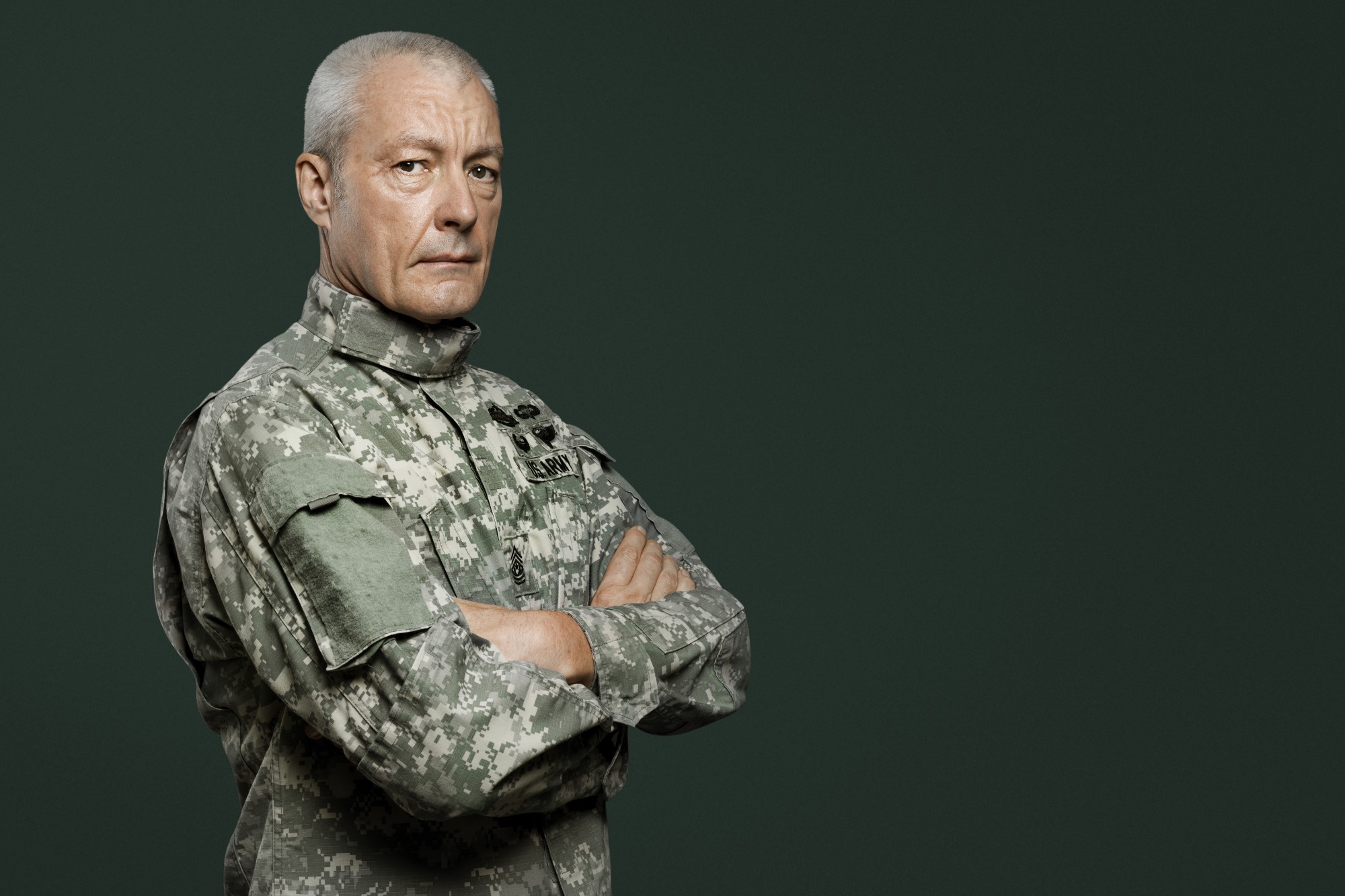
The notification lit up my phone at 0237 local time, piercing the darkness of my small corner of the operations center. At sixty years old and four months into what would be my final military deployment before retirement, I’d learned to sleep light and wake fast. Twenty-eight years in the Army will do that to you—condition you to respond to alerts with instant clarity, whether it’s incoming mortars or a text message from home.
This was a text message. From my fifteen-year-old daughter Haley. And it made my blood run colder than any combat situation I’d faced in nearly three decades of service.
Haley: Dad, I need to tell you something, but I’m scared.
I sat up on my cot, my heart rate spiking in a way it hadn’t during any of the actual combat operations I’d participated in during this deployment. When your child messages you that from seven thousand miles away, when you’re separated by oceans and time zones and the vast machinery of war, your mind immediately goes to the darkest possible places. Is she hurt? Sick? In danger?
My hands were steady as I typed back—muscle memory from years of staying calm under pressure—but inside, I was anything but calm.
Me: Whatever it is, sweetheart, you can tell me. Are you safe? Are you hurt?
The three dots indicating she was typing appeared, disappeared, appeared again. Each second felt like an eternity. Finally, her response came through.
Haley: Yes, I’m safe. I’m not hurt. It’s about Mom.
Me: What about Mom? Is she okay?
Another long pause. I could picture my daughter on the other end, sitting in her bedroom in the house I’d left behind five months ago, wrestling with whatever she was about to tell me. Haley had always been mature for her age, thoughtful and careful with her words. If she was struggling this much to say something, it had to be serious.
Haley: She’s been bringing men over, Dad. Different ones. They stay late, sometimes overnight. I didn’t know if I should tell you while you’re over there, but it’s been going on for weeks and I just… I don’t know what to do anymore.
I stared at those words on the small screen for what felt like an eternity but was probably only a few minutes. The hum of the generators outside, the distant sound of someone’s radio playing low, the shuffle of boots as the night watch changed—all of it faded into background noise as those sentences rearranged my entire understanding of my life.
My marriage. Imploding via WhatsApp from seven thousand miles away.
Eighteen years. Eighteen years of marriage to Kendra, my wife who was fifty-five now, who I’d met when I was a young sergeant and she was a civilian contractor on base. Eighteen years of deployments and reunions, of building a life together despite the constant disruptions of military service. This was my third deployment in our marriage and my final one before retirement. Six months, I’d told her when I left. Six months and then I’m done. We can finally have a normal life.
And she couldn’t even wait six months.
I forced myself to take a breath, to think like the senior NCO I was rather than the betrayed husband I felt like. Haley needed me to be her father right now, not a man falling apart.
Me: Haley, I am so, so sorry you’ve had to see that and deal with that on your own. Thank you for telling me. I know that took courage.
Haley: I didn’t want to tell you while you’re over there. I know you have enough to worry about. But I can’t keep pretending I don’t see it. Are you mad at me?
Me: Mad at you? Never. You did exactly the right thing by telling me. How are you handling this, sweetheart?
Haley: I mostly just stay in my room when they’re here. I put my headphones on and try not to hear anything. Mom thinks I don’t know, I think. Or maybe she doesn’t care.
The image of my daughter hiding in her room, trying to block out the sounds of her mother’s betrayal, made something break inside my chest. But I couldn’t let her know that. She was already carrying enough.
Me: And your brother? Does Cody know?
Haley: No, he’s only ten. He sleeps through everything, thank God. I don’t think he has any idea.
Small mercy in a situation with precious few of them. Cody, my youngest, still young enough to be oblivious to adult complications. Still young enough to believe his parents’ marriage was exactly what it appeared to be.
Me: Okay, here’s what I need you to do. Keep doing exactly what you’re doing. Don’t confront your mother. Don’t let her know that you’ve told me. Act completely normal. Can you do that for me?
Haley: Yeah, I can do that. Dad… are you okay?
No. I was not okay. I was seven thousand miles from home, unable to protect my children from the fallout of their mother’s choices, unable to confront the woman who’d just destroyed our marriage, unable to do anything but sit in this dusty operations center and process the fact that while I’d been dodging mortars and managing supply lines and serving my country, my wife had been auditioning replacements.
But Haley didn’t need to carry that burden. She was fifteen years old and already dealing with more than any child should have to.
Me: I’m fine, sweetheart. I love you so much. Thank you for trusting me with this. Everything is going to be okay. I promise.
Haley: Love you too, Dad. I’m sorry I had to be the one to tell you.
Me: Not your fault. Never your fault. Get some sleep, okay?
After she signed off, I sat there in the darkness for a long time, just processing. Twenty-eight years in the Army. Three combat deployments. Countless difficult decisions and high-pressure situations. But nothing had prepared me for this—for the particular kind of pain that comes from betrayal on the home front while you’re deployed.
The thing about being sixty years old and deployed, though, is that you have something younger soldiers often lack: perspective. The hot-headed rage of youth that might have made a twenty-five-year-old me do something stupid and rash had long since cooled. What remained was something more dangerous: clarity. Time to think. Time to plan. And I had two months left on this deployment to get everything in order.
First, I needed more information. I needed to know exactly what I was dealing with. One man or multiple? A long-term affair or serial infidelity? Was this recent or had it been going on before I even left?
I thought about calling Kendra directly, confronting her right then. But every instinct I had—personal and professional—told me that would be a mistake. People who think they’re getting away with something will keep doing it, will get comfortable and careless. If I confronted her now, she’d just get better at hiding it, and I’d never know the full scope of what I was dealing with.
No, I needed evidence. Documentation. The kind of ironclad proof that would protect me and my kids when the time came to end this marriage.
My mind went to my battle buddy, First Sergeant Martinez. We’d served together for eight years, deployed together twice, and trusted each other with our lives on more than one occasion. If anyone could help me navigate this from seven thousand miles away, it was him.
I found him the next morning during chow. He took one look at my face and steered me away from the main group. “What’s wrong?”
“Need a favor. A big one.”
“Name it.”
“That security system you installed at your place before deployment. The one you were telling me about. Who did the installation?”
Martinez’s eyes narrowed. He was smart enough to read between the lines. “My brother-in-law. He runs a private security company out of Jacksonville. Why?”
“I need cameras installed at my house. Discreetly. Without my wife knowing.”
There was a long pause while Martinez processed that. “Brother, what’s going on?”
“Kendra’s been having… company. While I’m deployed.”
“Shit.” He said it quietly, with feeling. “You sure?”
“Haley told me.”
“Your kid had to—” He stopped, shook his head. “That’s rough. What do you need from me?”
And that’s the thing about military brothers, especially those you’ve deployed with. No judgment. No prying. Just “How can I help?”
“I need eyes on my house. I need to know what’s really going on. Can your brother-in-law handle that quietly?”
“He’s good. Discreet. Former Special Forces before he went private. Let me make a call.”
Within three days, Martinez had it arranged. His brother-in-law, a guy named Carson, would install a comprehensive security system while Kendra was at her part-time job at the boutique where she worked twenty hours a week. Carson would tell her—if she even asked—that there had been a rash of break-ins in the neighborhood and the HOA was offering discounted security installations for concerned homeowners.
The installation took less than four hours. Four cameras with audio—living room, kitchen, master bedroom, and the back patio. All wireless, all cloud-based, all sending footage directly to a secure server I could access from my encrypted phone.
Kendra never even questioned it. According to Carson’s report, she’d barely looked up from her phone when he explained what he was doing.
The footage started rolling in within a week. And God, it was worse than I’d thought.
Three different men in ten days. Three. Men I’d never seen before, men whose trucks and cars I didn’t recognize, being welcomed into my home by my wife of eighteen years. Wine on the back patio I’d built with my own hands during my last leave. Making out in the living room where family photos hung on the walls. Being led upstairs to the master bedroom while my daughter presumably sat in her room with her headphones on, trying to block it all out.
I saved everything. Every clip, meticulously organized by date and time. Every timestamp, every face, every damning piece of evidence. I created a secure folder and backed it up in three separate locations. This wasn’t just about my hurt feelings anymore. This was about protecting my kids, about making sure that when the time came to end this marriage, I had everything I needed to get primary custody.
One man in particular became a regular. His name, I eventually discovered through some careful social media sleuthing, was Brett. Mid-forties, drove a lifted pickup truck with one of those obnoxious exhaust systems that announced his arrival from three blocks away. He showed up like clockwork—every Tuesday and Thursday evening, staying until midnight or later.
On one video, I watched him bring her flowers. Flowers. To my house. The house I was paying the mortgage on while eating MREs in hundred-degree heat and pulling security shifts in a combat zone.
But what really made my blood boil was discovering what Kendra was using to fund this new lifestyle of hers.
When you’re deployed to a combat zone, you receive additional compensation—hazard duty pay, imminent danger pay, and perhaps most significantly, that pay is tax-free. It’s not an insignificant amount, especially for someone at my rank and pay grade. I’d set up direct deposit so that all of my deployment pay went into our joint checking account, meant to cover family expenses while I was gone and maybe save up a cushion for when I finally retired.
I logged into the bank account from my phone one night, just to check the balance, and felt my heart sink. The account that should have had a healthy cushion was running near empty. I started going through the statements, and it was like watching a slow-motion car crash.
New clothes from boutique shops. Expensive wine. Restaurant charges—always for two people, always at nice places I’d never taken her because we’d been saving for my retirement. Hair and nail appointments. A massage spa membership. Everything a woman might do when she’s trying to impress someone new.
And then I found the charge that made me see red: Hotel Rosewood, $427 including tax. The date was three weeks prior. I cross-referenced it with my camera footage and my conversation logs. That was the night Kendra had texted me about attending an overnight “Spouse Support Group” retreat at the church.
She’d told our daughter the same story. Told Haley she’d be gone overnight, supporting other military spouses who were struggling with the deployment separation. Meanwhile, she was checking into a luxury hotel with Brett, spending my combat pay to rent a room where she could fuck her boyfriend without worrying about the kids hearing.
I found her secret Instagram account two days later, almost by accident. Someone I didn’t recognize had liked one of the official deployment family support page posts, and when I clicked through out of boredom, there she was. The account name was KendraSoloAdventures, and it was full of photos I’d never seen. Kendra at restaurants. Kendra at the beach. Kendra in that hotel room, champagne glass raised to the camera, caption reading: “Living my best life! #Freedom #NewBeginnings #FindingMyself”
Finding herself. On my combat pay. While I was finding IEDs and managing supply convoys.
I screenshotted everything. Every post, every geotag, every hashtag. Added it all to my evidence folder. By this point, I had a case so airtight that no divorce attorney could poke a hole in it.
But I wasn’t done. I still had six weeks left on my deployment, and I was going to use every single day to ensure that when I came home, I was in the strongest possible position.
First move: I opened a new checking account at a completely different bank. One that Kendra had no access to, no knowledge of, no way to touch.
Second move: I contacted military finance and had all future pay redirected to the new account, effective the next pay cycle. My deployment pay, my base pay, my housing allowance—everything. I left just enough in the joint account to cover the mortgage and utilities, which I could prove were my responsibility anyway.
Third move: I hired an attorney. Not just any attorney, but one of the best military divorce specialists on the East Coast. I’d done my research, read reviews, even had Martinez reach out to some guys who’d been through divorces to get recommendations. I wanted someone who understood military benefits, deployment situations, and how to protect my retirement.
I uploaded all my evidence to a secure server and gave my attorney access. Two days later, he called me via secure line.
“Master Sergeant Chen, I’ve reviewed your documentation. This is perhaps the most thorough evidence package I’ve ever received from a deployed service member.”
“Is it enough?”
“It’s more than enough. The camera footage alone would be sufficient, but combined with the financial records, the social media evidence, and your daughter’s testimony if needed, this is airtight. No judge is going to side with your wife after seeing this.”
“What about custody?”
“With this evidence of her bringing multiple men around your minor children, particularly your daughter who’s old enough to be aware and traumatized by it? You’ll almost certainly get primary physical custody. We’ll push for 70/30 in your favor, with supervised visitation initially.”
“Supervised?”
“She brought strange men around your children while you were deployed. That’s going to concern any family court judge. They’ll want to ensure she’s stable before granting unsupervised time.”
“Good.” I said it without emotion, but inside, I felt a grim satisfaction. “What else do I need to do?”
“Right now? Nothing. Keep collecting evidence if you can, but what you have is already sufficient. When do you redeploy?”
“Official date is six weeks out. But I’m working on something.”
“Oh?”
“Compassionate reassignment. Family emergency.”
There was a pause. “That’s… strategic.”
“Twenty-eight years in the Army teaches you a few things about timing and surprise.”
He actually laughed. “I imagine it does. Keep me posted.”
The compassionate reassignment was a gamble, but it was one I thought I could pull off. The military has provisions for early return from deployment in cases of genuine family emergency. Death of a spouse, serious illness of a child, that sort of thing. But it also covers situations where the deployed member’s family is genuinely at risk or in crisis.
I reached out to my commanding officer, Lieutenant Colonel Briggs. He was a good officer, someone I’d served with before, someone who trusted my judgment.
“Sir, I need to request compassionate reassignment.”
He looked up from his paperwork, concern immediately creasing his face. “What’s going on, Chen? Your kids okay?”
“Kids are physically fine, sir. But there’s a developing situation at home that I need to address before it causes permanent damage to my children.”
“How serious are we talking?”
I chose my words carefully. “My marriage is ending, sir. My wife is having multiple affairs while I’m deployed, and my fifteen-year-old daughter is witnessing it. She’s the one who told me. Every day I stay here is another day my kids are in an unstable, damaging situation.”
Briggs was quiet for a long moment. “Shit, Chen. I’m sorry. That’s… that’s rough.”
“Yes, sir.”
“Can it wait until the tour ends naturally? You’ve only got six weeks left.”
“Respectfully, sir, six weeks is a long time for a fifteen-year-old to watch her mother destroy her family. And my wife doesn’t know I know. Element of surprise is important here.”
He studied me for a moment, and I could see him weighing regulations against human decency, duty against compassion. Finally, he nodded. “Let me see what I can do. No promises, but I’ll try.”
While I waited for approval, I kept watching the camera feeds. Kept documenting. The audacity was staggering. Kendra wasn’t just cheating—she was flaunting it, secure in her belief that I was thousands of miles away and completely oblivious.
Brett continued his Tuesday-Thursday routine. A new guy, David, showed up on a Saturday afternoon and didn’t leave until Sunday morning. Another man, whose name I never learned, brought her takeout from an expensive steakhouse—the kind of place that cost at least a hundred dollars a plate.
And through it all, she kept up her performance for my benefit. Weekly emails about how much she missed me, how hard it was being alone, how she was leaning on her support group of other military spouses. How she couldn’t wait for me to come home so we could start planning our retirement together.
The cognitive dissonance was staggering. How do you write “I love you and miss you” to your deployed husband while his replacement is literally in the next room?
But I played along. Sent back my usual brief replies. “Miss you too. Stay safe. Love you.” Never giving any indication that I knew my marriage was a smoking crater.
I did make one change that she’d eventually notice, though I doubted she’d check anytime soon. I modified my SGLI—Servicemembers’ Group Life Insurance. It’s a $400,000 policy that every service member has, and you designate beneficiaries. Mine had been set at 100% to Kendra since we’d married.
I changed it to 50% to a trust for my children, 50% to Kendra. She’d still get something if I died—I wasn’t going to be vindictive about that—but my kids were now protected. Given that she was spending my deployment pay on her affairs, I wasn’t about to leave her as the sole beneficiary of my life insurance too.
Two weeks before my official redeployment date, the approval came through. Compassionate reassignment granted. I’d be wheels-up in seventy-two hours.
I messaged Haley immediately.
Me: I’m coming home early. Three weeks early. But this is our secret. Don’t tell anyone. Not your mother, not your brother. Can you do that?
The reply came back almost instantly.
Haley: REALLY?? Oh my God, Dad, yes! When??
Me: I’ll be there in about four days. Remember, complete secret. Keep acting normal around your mom.
Haley: I won’t tell anyone, I promise. Dad… what are you going to do?
Me: What needs to be done, sweetheart. Just trust me and keep being strong, okay?
Haley: I trust you. I love you, Dad.
Me: Love you too, baby girl. See you soon.
Those last seventy-two hours were the longest of my life. Knowing what I was going home to, knowing the confrontation that was coming, knowing that I was about to detonate my marriage and reshape my children’s lives. But also knowing it was necessary. Knowing that my kids deserved better than to watch their mother betray their father, knowing that I deserved better than a wife who saw my deployment as an opportunity rather than a sacrifice.
The final insult came two nights before I left. I was doing one last check of the camera footage when I caught Kendra in our master bedroom. With Brett. And she was wearing the lingerie I’d bought her for our sixteenth anniversary. Lavender silk with lace details that I’d special-ordered from a boutique in New York. The set she’d claimed to love, had worn exactly once for me, was now being modeled for her boyfriend in my bed.
That was when I knew exactly how this was going to play out. Not with yelling or violence or dramatic confrontations. But with cold, methodical precision. The same way I’d approached every mission in my military career.
I touched down stateside at 0600 on a Thursday. Three weeks ahead of my official return date. Nobody knew except my chain of command, my lawyer, and Martinez, who picked me up from the base in Jacksonville.
“You good, brother?” he asked as I threw my duffel in the back of his truck.
“Better than I’ve been in months,” I told him honestly. “Clear head. Clear purpose. Clear plan.”
“What’s first on the agenda?”
“Lawyer. Bank. Storage unit. Then home.”
He whistled low. “You’ve really thought this through.”
“Had nothing but time and motivation for two months.”
First stop was my attorney’s office. I signed the papers that had been prepared—divorce petition, custody filing, emergency motion for exclusive use of the marital home. Everything was ready to be filed.
“This is comprehensive,” my attorney said, reviewing the organized evidence one more time. “Military precision. No judge is going to side with her after seeing this.”
“That’s the goal.”
Second stop was the bank. I withdrew half of the remaining balance from our joint account—my legal right to do so—and deposited it into my new account where all my military pay was already going.
Third stop was a storage facility where I rented a large climate-controlled unit. I had a feeling I’d need it very soon.
Finally, around mid-morning, I made my way to the house. But I didn’t go in yet. Kendra would be at work at the boutique until 3 PM. The kids would be at school. I had several hours to prepare.
When I finally pulled into my driveway and walked through my front door for the first time in five months, everything looked exactly the same and completely different simultaneously. The family photos on the walls seemed to mock me now. The couch where I’d watched Kendra and her various boyfriends carry on looked contaminated. The stairs leading up to my bedroom might as well have had a neon sign saying “crime scene.”
But I had work to do. Methodically, calmly, I began packing. Not my things—hers.
Every piece of clothing in her closet went into boxes. Every shoe, every piece of jewelry, every toiletry from the master bathroom. I was thorough, I was careful, and I labeled every box clearly. It took me four hours and probably fifty boxes to pack up eighteen years’ worth of accumulated belongings.
Martinez arrived with his truck around 1 PM. Together, we loaded every box into the storage unit. I paid for three months in advance.
“You’re really doing this,” he said as we locked up the unit.
“Already done,” I corrected.
Back at the house, I removed every trace of Kendra from the master bedroom except one thing. I printed out a high-resolution still from the security footage—her and Brett, in our bed, unmistakably intimate. I placed it on her pillow with a simple handwritten note: “Welcome home. Welcome to the consequences. Divorce papers are on the kitchen table.”
Then I set up camp in the kitchen with my laptop, all my evidence files queued up and ready, and I waited.
At 2:45 PM, I heard the school bus. The front door burst open. “Mom! I’m home—Dad?!”
Cody’s face went through about ten emotions in rapid succession before landing on pure joy. “Dad! You’re home! You’re really home!”
He ran at me full speed, and I caught him, hugging him tightly. Ten years old and still young enough to unselfconsciously show his father affection. I’d missed so much of his life to deployments, and I was determined not to miss any more.
“Hey, buddy. Surprise.”
“But Mom said you weren’t coming home for three more weeks!”
“Plans changed. Missed you too much.”
Haley came in behind him more slowly, her eyes already full of tears. She knew what was about to happen. Had been dreading it and hoping for it in equal measure for two months. She hugged me hard.
“It’s going to be okay,” I whispered in her ear. “I promise.”
The next hour was just… normal. Or as normal as it could be under the circumstances. I listened to Cody tell me about his baseball team, about the fort he’d built in the backyard, about his new friend from school. I listened to Haley talk about her art class, about the portfolio she was building for college applications even though she was only a sophomore. I was just dad, home from deployment, catching up with my kids.
At 5:15 PM, I heard Kendra’s car in the driveway. Haley’s hand found mine under the table and squeezed. Hard.
The front door opened. “Kids, I picked up pizza for dinner since I had to work late—”
She stopped mid-sentence, frozen in the doorway, grocery bags hanging from her arms. Her face went through its own series of emotions—confusion, shock, fear, and finally, panic.
“Surprise,” I said evenly.
“You’re… you’re home. Early. You didn’t tell me you were coming home early.”
“Wanted to surprise you. Clearly, I succeeded.”
Her eyes darted between me and the kids, probably running calculations about what I knew, what I’d discovered, how much danger she was in.
“Kids,” she said, her voice artificially bright and strained. “Why don’t you go upstairs? Your dad and I need to talk.”
“Actually,” I interjected calmly, “Cody, buddy, go play in your room for a bit. Haley stays. She’s the one who told me what’s been going on. She’s earned the right to hear this.”
Kendra’s face went from the flushed red of panic to a blotchy, mottled color I’d never seen on her before. “Haley told you what?”
I opened my laptop and turned it so she could see the screen. Security footage from two weeks ago, crystal clear, timestamped. Her and Brett on our back patio, wine glasses in hand, his arm around her waist.
“Shall we start with Brett? Or would you prefer to discuss David? Maybe Carlos?”
She dropped the grocery bags. One of them split, and pizza boxes tumbled across the floor. “You… you put cameras in our house? You spied on me?”
“I installed security systems in my house. The one I pay for while deployed to a combat zone. Perfectly legal. My lawyer confirmed it.”
“Your lawyer?” Her voice was rising now, becoming shrill.
I slid the thick packet of divorce papers across the kitchen table. “You’ve been served.”
Her hands shook as she picked up the papers and tried to read them. I watched her face as she processed the words. Petition for divorce. Irreconcilable differences. Adultery. Request for primary physical custody. Division of assets.
“You can’t do this,” she said, but her voice had lost its conviction.
“I already have. It’s done.”
“This is insane! You don’t just end an eighteen-year marriage because—”
“Because what? Because you brought multiple men into our home while I was deployed? Because you spent my combat pay on hotels and dates with your boyfriends? Because you forced our fifteen-year-old daughter to hide in her room with headphones on so she didn’t have to hear you fucking strangers?”
Haley flinched at my language, but she didn’t leave. She sat there, her hand still gripping mine, and watched her mother finally face consequences.
“I also packed up all your belongings,” I continued. “They’re in storage. Unit 247 at AAA Storage on Highway 17. I paid for three months. You’re welcome.”
“You can’t kick me out of my own house!”
“Not kicking you out. But I’m not leaving either. You can stay in the guest room if you want, but the master bedroom is mine. Your choice.”
She turned on Haley then, her face twisted with rage and desperation. “You! You little snitch! You ruined everything! I’ll never forgive you for this!”
I was out of my chair before I consciously decided to move, my voice dropping to the low, dangerous tone that had made subordinates jump for almost three decades. “Do not speak to her that way. Ever. Do you understand me?”
Kendra recoiled as if I’d raised my hand. Which I never would, but the military bearing, the command presence—it was enough.
Haley’s voice, quiet but steady, cut through the tension. “I couldn’t watch it anymore, Mom. Week after week, different men coming and going. Dad’s over there risking his life and you’re… you’re having parties in his house. It’s disgusting.”
“You don’t understand,” Kendra said, but the fight was going out of her. “You’re just a child.”
“I understand that you’re a cheater. I understand that you hurt Dad. I understand enough.”
Kendra turned back to me, trying a different tactic. Tears now, which might have worked on a younger, more naive version of me. “Please, baby. They didn’t mean anything. I was just so lonely with you gone. It was a mistake.”
“Multiple mistakes,” I said coldly. “With multiple men. In multiple locations. Using my deployment pay. Which of those mistakes specifically are you referring to?”
“All of them! I’m sorry for all of it! Can’t we work through this? For the kids?”
“The kids deserve parents who respect each other. You clearly don’t respect me, and I no longer respect you. We’re done.”
“What about Cody? You’ll traumatize him!”
“I’ve arranged for 70/30 custody in my favor. The lawyer thinks we’ll get it easily, given the circumstances. You’ll have supervised visitation initially.”
“Supervised?! I’m his mother!”
“A mother who brought strange men around her children. A mother who prioritized her sex life over her kids’ emotional wellbeing. You think a judge is going to just hand you unsupervised custody after seeing my evidence?”
She tried one more time. “Where am I supposed to go?”
I shrugged. “Brett’s place? David’s? Your mother’s? Honestly, Kendra, that’s not my problem anymore.”
“I can’t afford my own place! My job doesn’t pay enough!”
“Then get a better job. Full-time instead of part-time. That’s what adults do.”
She stared at me like she’d never seen me before. And maybe she hadn’t. Maybe the man she’d married, the younger version of me who might have forgiven this or tried to work through it, had been replaced by someone harder during those five months of watching her betray everything we’d built together.
“You did all this while you were deployed?” she asked, her voice barely a whisper.
“I had nothing but time and motivation. You gave me both.”
She left that night. Grabbed some essentials and went to her mother’s house. Over the following weeks and months, she fought the divorce, but it was futile. Every argument her lawyer made was countered by the mountain of evidence I’d compiled. The security footage. The bank statements. The social media posts. Haley’s willingness to testify if needed, though thankfully it never came to that.
Kendra tried to claim I’d abandoned the family by deploying. The judge actually laughed and pointed out that military service was not abandonment. She claimed the cameras were an invasion of privacy and shouldn’t be admissible. The judge reviewed the footage and disagreed. She even tried to claim that PTSD from my deployments had made me unstable and vindictive. The court-ordered psychological evaluation I underwent said otherwise—I was of sound mind, no trauma-related disorders, fully capable of primary custody.
The final judgment, when it came, was everything I’d hoped for. I kept the house. I got 70/30 custody of both kids. She paid minimal child support based on her part-time income. She got supervised visitation twice a month until she completed court-mandated counseling. I kept my military retirement and all benefits. The joint savings account was split 50/50, which was generous considering she’d already spent most of it.
The real kicker? Brett dumped her two days after she moved out. Apparently, he’d believed her when she told him she was divorced. When he found out she’d actually been married the whole time, married to a deployed soldier no less, he wanted nothing to do with her. Couldn’t distance himself fast enough. David and Carlos, her other regulars, ghosted her completely once word got out about the divorce and the circumstances behind it.
Her “best life,” as she’d captioned those Instagram photos, lasted exactly as long as my deployment pay kept rolling into the joint account. The moment that well dried up, so did her social calendar.
She moved back in with her parents in their small two-bedroom condo, the same place she’d sworn she’d never return to. Got a full-time job at a call center, trading her leisurely twenty-hour work weeks for the grind of forty-plus hours dealing with angry customers. Her Instagram account went private, and the last public post before she locked it down was some vague quote about “surviving narcissistic abuse” and “rising above toxic people.”
The military community in our town is small. Word spreads fast. People talk. And the story of the military wife who couldn’t even wait for her husband’s final deployment to end before cheating became… well, let’s just say she’s not invited to many spouse group functions anymore. The yellow ribbon magnet disappeared from her car. The “Support Our Troops” posts vanished from her social media.
It’s been four months since the divorce was finalized. Four months of figuring out what normal looks like now.
Haley is doing better. Much better. We got her into therapy immediately, with a counselor who specializes in adolescents dealing with family trauma. She was angry for a long time—at her mother, at the situation, even at me for being gone when everything fell apart. But therapy has helped her process all of that.
Last week, she told me something that made my heart swell. “You know what, Dad? I’m actually proud of how you handled this. You could have gone completely scorched earth. Could have made Mom’s life hell. But you were just… strategic. You protected yourself and us without being cruel.”
“Scorched earth leaves everyone burned,” I told her. “Being strategic gets results.”
“Well, it worked. And I’m glad you’re my dad.”
Those words. Coming from a fifteen-year-old who’d been put through hell and came out the other side still capable of expressing love and respect. That’s everything.
She still talks to her mother during the supervised visits, which happen at a family counseling center twice a month. The relationship is strained, probably will be for years. You don’t forget watching your mother betray your father and your family. But Kendra is trying, attending her court-mandated counseling, showing up consistently to the visitations. Maybe one day they’ll rebuild something. Maybe not. That’s between them.
Cody took it harder initially, the way younger kids often do when their worldview gets shattered. He didn’t understand why Mom had to leave, why she couldn’t just come home, why things couldn’t go back to the way they were. We had a lot of talks, age-appropriate explanations about how sometimes grown-ups make mistakes that hurt families, how Mom and Dad weren’t going to be married anymore but we both still loved him.
He cried. A lot. Those first few weeks, he’d wake up at night crying for his mom. It broke my heart every single time. But kids are resilient in ways adults often forget. He adjusted. He thrives now. His baseball team made the playoffs. His grades are good. He’s got friends, he’s got stability, he’s got a routine. He still loves his mother, which is good and healthy. She’s trying to be better for him, at least during their visits.
As for me, I’m… okay. Better than okay, actually. The promotion came through last month—I’m now a Sergeant Major, the rank I’d been hoping to retire at. Turns out that handling a major personal crisis with calm, methodical planning while deployed and maintaining full professional performance impressed the leadership. My commanding officer told me, “Chen, the way you handled your situation showed exactly the kind of judgment and discipline we need at the senior enlisted level.”
I’m focused on my kids and my final year before retirement. Dating isn’t even on my radar. Maybe it will be someday, but right now, I’m content being a single father, making sure my kids are stable and healthy and know they’re loved.
The house is calm now. Peaceful. There’s no more wondering what’s happening when I’m not there, no more suspicion or surveillance or evidence collection. Just… life. Breakfast before school. Helping with homework. Cody’s baseball practices. Haley’s art projects. Movie nights. Sunday dinners. Normal, boring, wonderful family life.
Martinez and his wife have us over for dinner once a month. His kids and mine play video games while the adults talk. He asked me last month if I had any regrets about how I handled things.
“Only one,” I told him. “I regret that Haley had to be the one to tell me. That’s a burden she should never have had to carry.”
“But you handled it right once you knew,” he said. “You protected your kids and yourself. You didn’t let emotion drive you into doing something stupid. That’s what matters.”
He’s right. And I know that. But knowing it doesn’t completely erase the guilt of not somehow sensing it, not somehow knowing without my daughter having to tell me.
Kendra texted me last month. It was the first direct communication we’d had since the divorce was finalized.
Kendra: I’m sorry for everything. I threw away the best thing in my life for cheap attention and validation from men who didn’t even care about me. I was selfish and cruel and I destroyed our family. I know you probably won’t believe me, but I really am sorry.
I stared at that message for a long time before responding.
Me: I appreciate the apology. I hope you find peace and become the person our kids deserve as a mother.
Kendra: Is there any chance we could try again? For the kids? I’ve been doing a lot of work on myself in therapy. I’m not the same person I was.
I wasn’t surprised by the question. I’d actually been expecting it. People who blow up their lives often want to rebuild them once they realize what they’ve lost.
Me: No. The kids need parents who respect each other and can co-parent effectively. We can do that without being married. They need stability, not us trying and failing to rebuild something that’s already dead.
Kendra: I understand. I know I don’t deserve another chance. For what it’s worth, I really did love you. I know my actions didn’t show it, but I did.
Me: You loved the stability I provided. You loved the status of being a military wife. You loved the deployment pay and the respect that came from being married to someone serving their country. But you didn’t love ME. Because if you did, you never could have done what you did.
She didn’t respond to that. I think it finally sank in. The difference between loving someone and loving what they provide for you. Between commitment and convenience.
I’ve been asked by other deployed service members—guys facing similar situations or worried about facing them—what advice I’d give. And it’s simple: Trust your gut, but don’t act on pure emotion.
If something feels wrong, it probably is. But don’t let that feeling drive you to do something rash that’ll hurt your position later. Document everything. Plan carefully. Protect yourself and your kids first, then worry about confrontation or revenge or justice or whatever you want to call it.
Kendra thought my deployment meant freedom. Thought that seven thousand miles of distance meant I couldn’t touch her, couldn’t affect her new life, couldn’t hold her accountable. She was wrong. Distance doesn’t equal safety. Time doesn’t erase evidence. And sometimes, the person you underestimate is the most dangerous one in the room.
My deployment didn’t give her freedom. It gave me time. Time to plan, time to prepare, time to build an airtight case. Time to come home early and watch her world collapse in real-time.
Last week, Haley asked me if I’d ever remarry. If I’d ever want to try again with someone else.
“Someday, maybe,” I told her honestly. “When I’m ready. When the right person comes along. But it’s not a priority. You and your brother are my priority. Making sure you two are okay, that you’re happy and stable and know you’re loved—that’s what matters to me right now.”
“I think you’d be a good husband,” she said. “To someone who deserves you.”
“That’s the key phrase, isn’t it? Someone who deserves it. Someone who understands what commitment means. What partnership means. What respect and trust and fidelity mean.”
“Think you’ll find that?”
“Eventually. I’m sixty years old, not dead. But I’m in no rush. Got plenty of time to figure it out after you two are grown and I’m fully retired.”
She hugged me then, and I held my daughter and thought about how much she’d grown up in the past few months. How much both my kids had been forced to grow up. How resilient they’d proven to be.
Cody came running in from the backyard, covered in dirt and grass stains, excited about some bug he’d found. And I listened to him chatter about it with enthusiasm only a ten-year-old can muster, and I felt something I hadn’t felt in months: contentment.
This is my life now. Single father. Senior enlisted soldier approaching retirement. Man who survived his wife’s betrayal and came out stronger on the other side. I’m not bitter anymore. Not angry. Just… at peace.
The house where Kendra brought her boyfriends has been reclaimed. It’s ours now—mine and the kids’. Every room has been repainted. New furniture in the living room. New bedding in the master bedroom. I even redid the back patio, tearing out the pavers and starting fresh with new stone. Erasing every trace of what happened here, creating something new.
I still have the security camera footage saved, backed up in three locations. My lawyer advised me to keep it for at least seven years in case Kendra tries to modify custody or makes any claims down the road. But I don’t watch it anymore. Don’t need to. It served its purpose.
Sometimes, late at night when the kids are asleep, I sit on that new back patio and think about the choices people make. How one person’s selfishness can detonate a family. How betrayal doesn’t always come with warning signs—sometimes it comes with yellow ribbon magnets and “Support Our Troops” posts and weekly emails about missing you.
But I also think about resilience. About how my kids survived something that could have broken them. About how I survived something that, in my younger days, might have destroyed me. About how sometimes the worst things that happen to us force us to become stronger versions of ourselves.
I think about my daughter, fifteen years old, having to make the hardest decision of her young life—whether to tell her father something that would destroy her family but was the truth. And how she chose truth over comfort. How proud that makes me.
I think about my son, who lost his understanding of what family looked like but found his way to a new normal. Who still loves his mother despite everything because kids have that capacity for forgiveness that adults often lose.
And I think about myself at sixty, starting over in ways I never imagined I’d have to. But starting over with clarity, with my kids, with peace of mind.
The divorce papers are filed. The custody arrangement is set. The house is ours. The bank accounts are separated. All the legal and logistical pieces are in place.
What remains is just… living. Being a dad. Being there for my kids in ways I couldn’t always be during deployments. Making up for lost time. Building new memories that won’t be tainted by lies and betrayal.
Next month, I’m taking Haley and Cody on a road trip. Two weeks, hitting national parks out west. Just the three of us, no distractions, no drama, no complications. Making memories. Being a family.
Haley’s excited about photographing the landscapes for her art portfolio. Cody wants to see every single dinosaur fossil at every single visitors’ center. I just want to spend time with my kids, away from the house that holds so many complicated memories.
Martinez asked me last week if I ever regretted the way I handled things. If I wished I’d confronted Kendra earlier, or differently, or more publicly.
“No regrets,” I told him. “I did what needed to be done, the way it needed to be done. Protected my kids, protected my interests, maintained my dignity. That’s all you can do.”
“You’re a better man than me,” he said. “I think I would have lost my mind.”
“Maybe,” I acknowledged. “But I’ve had twenty-eight years of military training in keeping calm under pressure. In planning operations. In executing missions. I just applied those same skills to a personal crisis.”
“Still. It took discipline.”
“The alternative was letting my emotions drive me into doing something I’d regret. Something that would hurt my kids or compromise my custody case. Discipline was the only option.”
And it’s true. In the moment, when I first read Haley’s text, when I first watched the security footage, when I first realized the full scope of the betrayal—I wanted to react emotionally. Wanted to call Kendra and scream at her. Wanted to blow up her life the way she’d blown up mine.
But I didn’t. Because I’m sixty years old and I’ve learned that revenge is a dish best served methodically. That protection is more important than punishment. That winning isn’t about making someone suffer—it’s about securing the outcome you need.
And I won. Not because I destroyed Kendra—I didn’t, really. She destroyed herself. I just documented it and used it to protect my children. That’s not revenge. That’s responsibility.
My final deployment is over. My marriage is over. That chapter of my life is closed.
What’s ahead is retirement next year, more time with my kids, maybe eventually dating again when I’m ready. Building a life that’s mine, that’s honest, that’s not based on lies or appearances or playing a role.
Kendra wanted freedom. She got it. Just not the kind she imagined. She’s free from me, from our marriage, from the life we built together. But she’s also free from stability, from respect, from the kids she took for granted. Freedom has a cost. She’s paying it.
I’m free too. Free from wondering what’s happening when I’m deployed. Free from living with someone who saw me as a paycheck and a status symbol rather than a partner. Free from a relationship that was dead long before I found out about it.
And my kids—they’re free from living in a house filled with lies and secrets. Free to have a relationship with both parents separately rather than watching us pretend everything was fine. Free to grow up in a home that’s honest, even if it’s broken.
Sometimes the best thing you can do for people you love is let them see the truth, even when it’s ugly. Even when it hurts. Because lies hurt worse in the long run.
Seven thousand miles. That’s how far I was when my daughter sent that text. Seven thousand miles from home, from my kids, from the life that was imploding without my knowledge.
But distance doesn’t matter when you’re a parent. Doesn’t matter when you’re a soldier trained to accomplish missions against all odds. Doesn’t matter when you have time, resources, and motivation.
Kendra thought those seven thousand miles protected her. Gave her freedom to live her best life without consequences.
She was wrong. Those seven thousand miles just gave me time to plan my response.
And when I came home three weeks early, walking into my house with all my evidence compiled and my strategy planned and my kids’ futures secured—that’s when she learned what those seven thousand miles really meant.
They meant she’d underestimated me. They meant she’d had just enough rope to hang herself. They meant that time and distance aren’t protection—they’re just variables in the equation.
And I’m very, very good at math.
The text from my daughter changed everything. But in the end, maybe it saved everything too. Saved my kids from years more of watching their mother betray their father. Saved me from wasting more of my life on someone who didn’t value it. Saved all of us from living a lie.
Seven thousand miles. A fifteen-year-old’s courage. Two months of careful planning. One early flight home.
That’s all it took to end eighteen years of marriage and start something new. Something honest. Something real.
And you know what? I’d do it all exactly the same way again.# The Message from 7,000 Miles Away
The notification lit up my phone at 0237 local time, piercing the darkness of my small corner of the operations center. At sixty years old and four months into what would be my final military deployment before retirement, I’d learned to sleep light and wake fast. Twenty-eight years in the Army will do that to you—condition you to respond to alerts with instant clarity, whether it’s incoming mortars or a text message from home.
This was a text message. From my fifteen-year-old daughter Haley. And it made my blood run colder than any combat situation I’d faced in nearly three decades of service.
Haley: Dad, I need to tell you something, but I’m scared.
I sat up on my cot, my heart rate spiking in a way it hadn’t during any of the actual combat operations I’d participated in during this deployment. When your child messages you that from seven thousand miles away, when you’re separated by oceans and time zones and the vast machinery of war, your mind immediately goes to the darkest possible places. Is she hurt? Sick? In danger?
My hands were steady as I typed back—muscle memory from years of staying calm under pressure—but inside, I was anything but calm.
Me: Whatever it is, sweetheart, you can tell me. Are you safe? Are you hurt?
The three dots indicating she was typing appeared, disappeared, appeared again. Each second felt like an eternity. Finally, her response came through.
Haley: Yes, I’m safe. I’m not hurt. It’s about Mom.
Me: What about Mom? Is she okay?
Another long pause. I could picture my daughter on the other end, sitting in her bedroom in the house I’d left behind five months ago, wrestling with whatever she was about to tell me. Haley had always been mature for her age, thoughtful and careful with her words. If she was struggling this much to say something, it had to be serious.
Haley: She’s been bringing men over, Dad. Different ones. They stay late, sometimes overnight. I didn’t know if I should tell you while you’re over there, but it’s been going on for weeks and I just… I don’t know what to do anymore.
I stared at those words on the small screen for what felt like an eternity but was probably only a few minutes. The hum of the generators outside, the distant sound of someone’s radio playing low, the shuffle of boots as the night watch changed—all of it faded into background noise as those sentences rearranged my entire understanding of my life.
My marriage. Imploding via WhatsApp from seven thousand miles away.
Eighteen years. Eighteen years of marriage to Kendra, my wife who was fifty-five now, who I’d met when I was a young sergeant and she was a civilian contractor on base. Eighteen years of deployments and reunions, of building a life together despite the constant disruptions of military service. This was my third deployment in our marriage and my final one before retirement. Six months, I’d told her when I left. Six months and then I’m done. We can finally have a normal life.
And she couldn’t even wait six months.
I forced myself to take a breath, to think like the senior NCO I was rather than the betrayed husband I felt like. Haley needed me to be her father right now, not a man falling apart.
Me: Haley, I am so, so sorry you’ve had to see that and deal with that on your own. Thank you for telling me. I know that took courage.
Haley: I didn’t want to tell you while you’re over there. I know you have enough to worry about. But I can’t keep pretending I don’t see it. Are you mad at me?
Me: Mad at you? Never. You did exactly the right thing by telling me. How are you handling this, sweetheart?
Haley: I mostly just stay in my room when they’re here. I put my headphones on and try not to hear anything. Mom thinks I don’t know, I think. Or maybe she doesn’t care.
The image of my daughter hiding in her room, trying to block out the sounds of her mother’s betrayal, made something break inside my chest. But I couldn’t let her know that. She was already carrying enough.
Me: And your brother? Does Cody know?
Haley: No, he’s only ten. He sleeps through everything, thank God. I don’t think he has any idea.
Small mercy in a situation with precious few of them. Cody, my youngest, still young enough to be oblivious to adult complications. Still young enough to believe his parents’ marriage was exactly what it appeared to be.
Me: Okay, here’s what I need you to do. Keep doing exactly what you’re doing. Don’t confront your mother. Don’t let her know that you’ve told me. Act completely normal. Can you do that for me?
Haley: Yeah, I can do that. Dad… are you okay?
No. I was not okay. I was seven thousand miles from home, unable to protect my children from the fallout of their mother’s choices, unable to confront the woman who’d just destroyed our marriage, unable to do anything but sit in this dusty operations center and process the fact that while I’d been dodging mortars and managing supply lines and serving my country, my wife had been auditioning replacements.
But Haley didn’t need to carry that burden. She was fifteen years old and already dealing with more than any child should have to.
Me: I’m fine, sweetheart. I love you so much. Thank you for trusting me with this. Everything is going to be okay. I promise.
Haley: Love you too, Dad. I’m sorry I had to be the one to tell you.
Me: Not your fault. Never your fault. Get some sleep, okay?
After she signed off, I sat there in the darkness for a long time, just processing. Twenty-eight years in the Army. Three combat deployments. Countless difficult decisions and high-pressure situations. But nothing had prepared me for this—for the particular kind of pain that comes from betrayal on the home front while you’re deployed.
The thing about being sixty years old and deployed, though, is that you have something younger soldiers often lack: perspective. The hot-headed rage of youth that might have made a twenty-five-year-old me do something stupid and rash had long since cooled. What remained was something more dangerous: clarity. Time to think. Time to plan. And I had two months left on this deployment to get everything in order.
First, I needed more information. I needed to know exactly what I was dealing with. One man or multiple? A long-term affair or serial infidelity? Was this recent or had it been going on before I even left?
I thought about calling Kendra directly, confronting her right then. But every instinct I had—personal and professional—told me that would be a mistake. People who think they’re getting away with something will keep doing it, will get comfortable and careless. If I confronted her now, she’d just get better at hiding it, and I’d never know the full scope of what I was dealing with.
No, I needed evidence. Documentation. The kind of ironclad proof that would protect me and my kids when the time came to end this marriage.
My mind went to my battle buddy, First Sergeant Martinez. We’d served together for eight years, deployed together twice, and trusted each other with our lives on more than one occasion. If anyone could help me navigate this from seven thousand miles away, it was him.
I found him the next morning during chow. He took one look at my face and steered me away from the main group. “What’s wrong?”
“Need a favor. A big one.”
“Name it.”
“That security system you installed at your place before deployment. The one you were telling me about. Who did the installation?”
Martinez’s eyes narrowed. He was smart enough to read between the lines. “My brother-in-law. He runs a private security company out of Jacksonville. Why?”
“I need cameras installed at my house. Discreetly. Without my wife knowing.”
There was a long pause while Martinez processed that. “Brother, what’s going on?”
“Kendra’s been having… company. While I’m deployed.”
“Shit.” He said it quietly, with feeling. “You sure?”
“Haley told me.”
“Your kid had to—” He stopped, shook his head. “That’s rough. What do you need from me?”
And that’s the thing about military brothers, especially those you’ve deployed with. No judgment. No prying. Just “How can I help?”
“I need eyes on my house. I need to know what’s really going on. Can your brother-in-law handle that quietly?”
“He’s good. Discreet. Former Special Forces before he went private. Let me make a call.”
Within three days, Martinez had it arranged. His brother-in-law, a guy named Carson, would install a comprehensive security system while Kendra was at her part-time job at the boutique where she worked twenty hours a week. Carson would tell her—if she even asked—that there had been a rash of break-ins in the neighborhood and the HOA was offering discounted security installations for concerned homeowners.
The installation took less than four hours. Four cameras with audio—living room, kitchen, master bedroom, and the back patio. All wireless, all cloud-based, all sending footage directly to a secure server I could access from my encrypted phone.
Kendra never even questioned it. According to Carson’s report, she’d barely looked up from her phone when he explained what he was doing.
The footage started rolling in within a week. And God, it was worse than I’d thought.
Three different men in ten days. Three. Men I’d never seen before, men whose trucks and cars I didn’t recognize, being welcomed into my home by my wife of eighteen years. Wine on the back patio I’d built with my own hands during my last leave. Making out in the living room where family photos hung on the walls. Being led upstairs to the master bedroom while my daughter presumably sat in her room with her headphones on, trying to block it all out.
I saved everything. Every clip, meticulously organized by date and time. Every timestamp, every face, every damning piece of evidence. I created a secure folder and backed it up in three separate locations. This wasn’t just about my hurt feelings anymore. This was about protecting my kids, about making sure that when the time came to end this marriage, I had everything I needed to get primary custody.
One man in particular became a regular. His name, I eventually discovered through some careful social media sleuthing, was Brett. Mid-forties, drove a lifted pickup truck with one of those obnoxious exhaust systems that announced his arrival from three blocks away. He showed up like clockwork—every Tuesday and Thursday evening, staying until midnight or later.
On one video, I watched him bring her flowers. Flowers. To my house. The house I was paying the mortgage on while eating MREs in hundred-degree heat and pulling security shifts in a combat zone.
But what really made my blood boil was discovering what Kendra was using to fund this new lifestyle of hers.
When you’re deployed to a combat zone, you receive additional compensation—hazard duty pay, imminent danger pay, and perhaps most significantly, that pay is tax-free. It’s not an insignificant amount, especially for someone at my rank and pay grade. I’d set up direct deposit so that all of my deployment pay went into our joint checking account, meant to cover family expenses while I was gone and maybe save up a cushion for when I finally retired.
I logged into the bank account from my phone one night, just to check the balance, and felt my heart sink. The account that should have had a healthy cushion was running near empty. I started going through the statements, and it was like watching a slow-motion car crash.
New clothes from boutique shops. Expensive wine. Restaurant charges—always for two people, always at nice places I’d never taken her because we’d been saving for my retirement. Hair and nail appointments. A massage spa membership. Everything a woman might do when she’s trying to impress someone new.
And then I found the charge that made me see red: Hotel Rosewood, $427 including tax. The date was three weeks prior. I cross-referenced it with my camera footage and my conversation logs. That was the night Kendra had texted me about attending an overnight “Spouse Support Group” retreat at the church.
She’d told our daughter the same story. Told Haley she’d be gone overnight, supporting other military spouses who were struggling with the deployment separation. Meanwhile, she was checking into a luxury hotel with Brett, spending my combat pay to rent a room where she could fuck her boyfriend without worrying about the kids hearing.
I found her secret Instagram account two days later, almost by accident. Someone I didn’t recognize had liked one of the official deployment family support page posts, and when I clicked through out of boredom, there she was. The account name was KendraSoloAdventures, and it was full of photos I’d never seen. Kendra at restaurants. Kendra at the beach. Kendra in that hotel room, champagne glass raised to the camera, caption reading: “Living my best life! #Freedom #NewBeginnings #FindingMyself”
Finding herself. On my combat pay. While I was finding IEDs and managing supply convoys.
I screenshotted everything. Every post, every geotag, every hashtag. Added it all to my evidence folder. By this point, I had a case so airtight that no divorce attorney could poke a hole in it.
But I wasn’t done. I still had six weeks left on my deployment, and I was going to use every single day to ensure that when I came home, I was in the strongest possible position.
First move: I opened a new checking account at a completely different bank. One that Kendra had no access to, no knowledge of, no way to touch.
Second move: I contacted military finance and had all future pay redirected to the new account, effective the next pay cycle. My deployment pay, my base pay, my housing allowance—everything. I left just enough in the joint account to cover the mortgage and utilities, which I could prove were my responsibility anyway.
Third move: I hired an attorney. Not just any attorney, but one of the best military divorce specialists on the East Coast. I’d done my research, read reviews, even had Martinez reach out to some guys who’d been through divorces to get recommendations. I wanted someone who understood military benefits, deployment situations, and how to protect my retirement.
I uploaded all my evidence to a secure server and gave my attorney access. Two days later, he called me via secure line.
“Master Sergeant Chen, I’ve reviewed your documentation. This is perhaps the most thorough evidence package I’ve ever received from a deployed service member.”
“Is it enough?”
“It’s more than enough. The camera footage alone would be sufficient, but combined with the financial records, the social media evidence, and your daughter’s testimony if needed, this is airtight. No judge is going to side with your wife after seeing this.”
“What about custody?”
“With this evidence of her bringing multiple men around your minor children, particularly your daughter who’s old enough to be aware and traumatized by it? You’ll almost certainly get primary physical custody. We’ll push for 70/30 in your favor, with supervised visitation initially.”
“Supervised?”
“She brought strange men around your children while you were deployed. That’s going to concern any family court judge. They’ll want to ensure she’s stable before granting unsupervised time.”
“Good.” I said it without emotion, but inside, I felt a grim satisfaction. “What else do I need to do?”
“Right now? Nothing. Keep collecting evidence if you can, but what you have is already sufficient. When do you redeploy?”
“Official date is six weeks out. But I’m working on something.”
“Oh?”
“Compassionate reassignment. Family emergency.”
There was a pause. “That’s… strategic.”
“Twenty-eight years in the Army teaches you a few things about timing and surprise.”
He actually laughed. “I imagine it does. Keep me posted.”
The compassionate reassignment was a gamble, but it was one I thought I could pull off. The military has provisions for early return from deployment in cases of genuine family emergency. Death of a spouse, serious illness of a child, that sort of thing. But it also covers situations where the deployed member’s family is genuinely at risk or in crisis.
I reached out to my commanding officer, Lieutenant Colonel Briggs. He was a good officer, someone I’d served with before, someone who trusted my judgment.
“Sir, I need to request compassionate reassignment.”
He looked up from his paperwork, concern immediately creasing his face. “What’s going on, Chen? Your kids okay?”
“Kids are physically fine, sir. But there’s a developing situation at home that I need to address before it causes permanent damage to my children.”
“How serious are we talking?”
I chose my words carefully. “My marriage is ending, sir. My wife is having multiple affairs while I’m deployed, and my fifteen-year-old daughter is witnessing it. She’s the one who told me. Every day I stay here is another day my kids are in an unstable, damaging situation.”
Briggs was quiet for a long moment. “Shit, Chen. I’m sorry. That’s… that’s rough.”
“Yes, sir.”
“Can it wait until the tour ends naturally? You’ve only got six weeks left.”
“Respectfully, sir, six weeks is a long time for a fifteen-year-old to watch her mother destroy her family. And my wife doesn’t know I know. Element of surprise is important here.”
He studied me for a moment, and I could see him weighing regulations against human decency, duty against compassion. Finally, he nodded. “Let me see what I can do. No promises, but I’ll try.”
While I waited for approval, I kept watching the camera feeds. Kept documenting. The audacity was staggering. Kendra wasn’t just cheating—she was flaunting it, secure in her belief that I was thousands of miles away and completely oblivious.
Brett continued his Tuesday-Thursday routine. A new guy, David, showed up on a Saturday afternoon and didn’t leave until Sunday morning. Another man, whose name I never learned, brought her takeout from an expensive steakhouse—the kind of place that cost at least a hundred dollars a plate.
And through it all, she kept up her performance for my benefit. Weekly emails about how much she missed me, how hard it was being alone, how she was leaning on her support group of other military spouses. How she couldn’t wait for me to come home so we could start planning our retirement together.
The cognitive dissonance was staggering. How do you write “I love you and miss you” to your deployed husband while his replacement is literally in the next room?
But I played along. Sent back my usual brief replies. “Miss you too. Stay safe. Love you.” Never giving any indication that I knew my marriage was a smoking crater.
I did make one change that she’d eventually notice, though I doubted she’d check anytime soon. I modified my SGLI—Servicemembers’ Group Life Insurance. It’s a $400,000 policy that every service member has, and you designate beneficiaries. Mine had been set at 100% to Kendra since we’d married.
I changed it to 50% to a trust for my children, 50% to Kendra. She’d still get something if I died—I wasn’t going to be vindictive about that—but my kids were now protected. Given that she was spending my deployment pay on her affairs, I wasn’t about to leave her as the sole beneficiary of my life insurance too.
Two weeks before my official redeployment date, the approval came through. Compassionate reassignment granted. I’d be wheels-up in seventy-two hours.
I messaged Haley immediately.
Me: I’m coming home early. Three weeks early. But this is our secret. Don’t tell anyone. Not your mother, not your brother. Can you do that?
The reply came back almost instantly.
Haley: REALLY?? Oh my God, Dad, yes! When??
Me: I’ll be there in about four days. Remember, complete secret. Keep acting normal around your mom.
Haley: I won’t tell anyone, I promise. Dad… what are you going to do?
Me: What needs to be done, sweetheart. Just trust me and keep being strong, okay?
Haley: I trust you. I love you, Dad.
Me: Love you too, baby girl. See you soon.
Those last seventy-two hours were the longest of my life. Knowing what I was going home to, knowing the confrontation that was coming, knowing that I was about to detonate my marriage and reshape my children’s lives. But also knowing it was necessary. Knowing that my kids deserved better than to watch their mother betray their father, knowing that I deserved better than a wife who saw my deployment as an opportunity rather than a sacrifice.
The final insult came two nights before I left. I was doing one last check of the camera footage when I caught Kendra in our master bedroom. With Brett. And she was wearing the lingerie I’d bought her for our sixteenth anniversary. Lav

Ethan Blake is a skilled Creative Content Specialist with a talent for crafting engaging and thought-provoking narratives. With a strong background in storytelling and digital content creation, Ethan brings a unique perspective to his role at TheArchivists, where he curates and produces captivating content for a global audience.
Ethan holds a degree in Communications from Zurich University, where he developed his expertise in storytelling, media strategy, and audience engagement. Known for his ability to blend creativity with analytical precision, he excels at creating content that not only entertains but also connects deeply with readers.
At TheArchivists, Ethan specializes in uncovering compelling stories that reflect a wide range of human experiences. His work is celebrated for its authenticity, creativity, and ability to spark meaningful conversations, earning him recognition among peers and readers alike.
Passionate about the art of storytelling, Ethan enjoys exploring themes of culture, history, and personal growth, aiming to inspire and inform with every piece he creates. Dedicated to making a lasting impact, Ethan continues to push boundaries in the ever-evolving world of digital content.