The ink on the papers was barely dry.
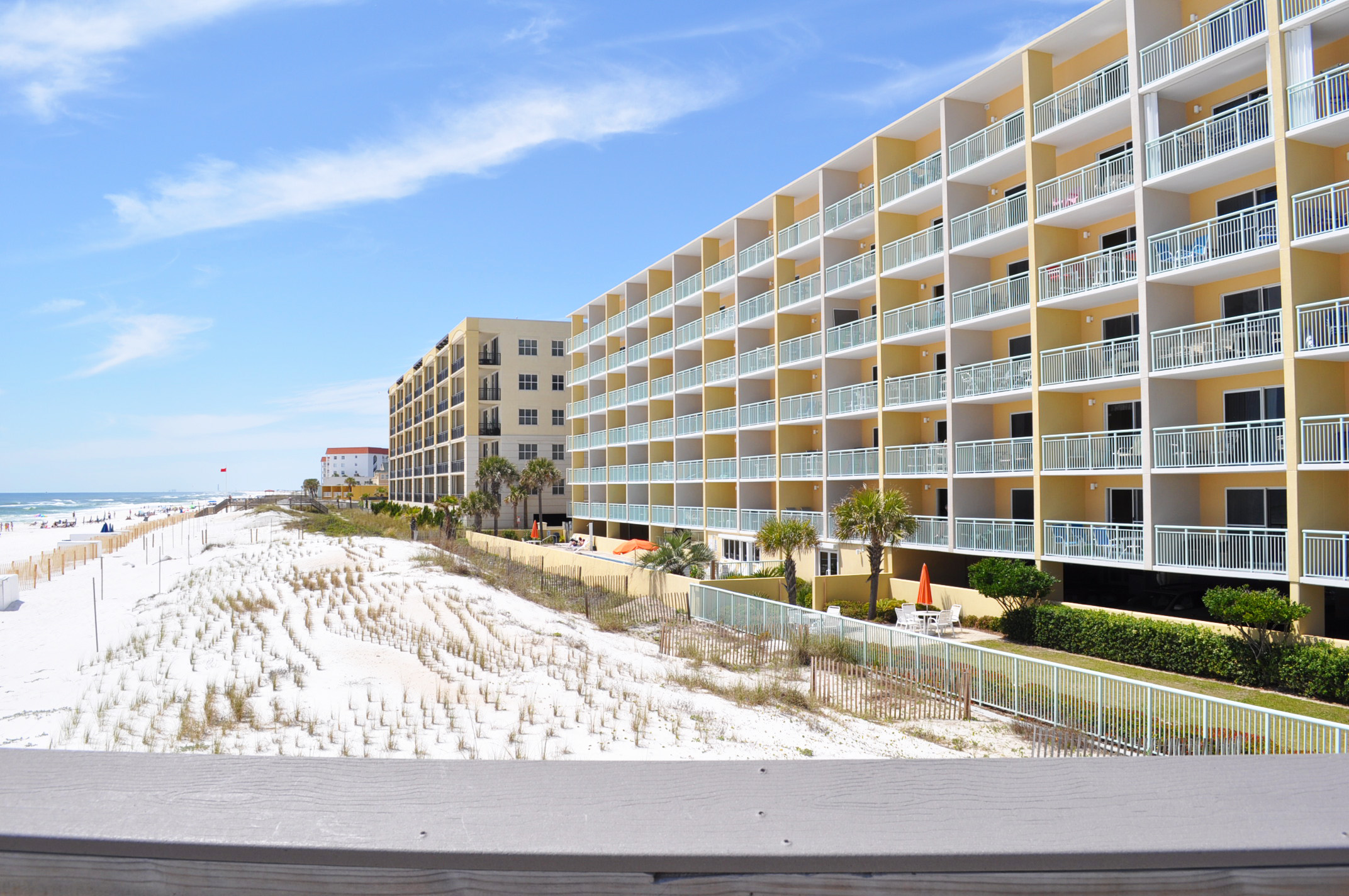
I was still standing in the empty living room, barefoot on the cool hardwood floor, looking through the wide glass doors at the Atlantic rolling gray and silver beyond the dunes. The house smelled like fresh paint and salt air and something I hadn’t been able to name until I was standing inside it.
Possibility.
For the first time in twelve years, something belonged to me entirely. No roommate’s name on a lease. No landlord’s number taped to the fridge. No permission required to paint a wall or plant something in the yard. Just my name on a deed, my keys in my hand, my ocean out the window.
Then my phone buzzed.
Marissa.
I almost let it go to voicemail. My sister never called unless she wanted something — that had been true since we were children and it was still true at forty-one. But I was in a good mood, standing in my house, and I made the mistake of answering.
“Finally,” she said. “I’ve been texting you.”
“I’m at the house. I just got the keys.”
“Good. That’s why I’m calling.” Her voice had that particular edge of excitement she got when she had already decided something and was simply informing you. “Listen carefully. I’ll arrive Friday with twenty-two of my in-laws. Clear the rooms, fix meals for everyone, and make sure there are enough towels. We’re staying two weeks.”
For a moment the ocean outside went silent in my mind.
I looked around. Three bedrooms. One office. A small den. A kitchen with brand-new appliances I had saved for three years to afford. A deck I had imagined drinking my morning coffee on alone, in the early light, with nobody asking me for anything.
“Marissa,” I said slowly, “you’re not staying here with twenty-two people.”
She laughed like I had made a cute mistake. “Don’t start. You bought a beach house. What did you think would happen?”
“That I would live in it.”
“You’re being selfish,” she said immediately, the word arriving fast and practiced, the way it always did when I said no to her.
“You told them without asking me?”
“Oh, please. We’re family.”
That word. Her favorite weapon since we were eight years old.
Family meant I gave up my bedroom when her friends slept over. Family meant I paid her overdue car insurance because she cried loud enough. Family meant I hosted her baby shower and watched her complain that the cupcakes looked cheap. Family meant I organized our mother’s funeral reception, paid the caterer, and smiled for three hours while Marissa accepted condolences like applause.
I stared at the ocean and felt something inside me go very still.
“No,” I said.
A pause.
“Excuse me?”
“No. You and twenty-two people are not staying in my house.”
“You owe me,” she said, dropping into something colder.
“For what?”
“For leaving town after Mom died. For acting like you’re better than everyone. For buying that house when you knew I wanted a beach vacation.”
I closed my eyes. Mom had been gone five years. Marissa had been using her death like a receipt for every demand since.
“I’m not discussing this.”
“Fine,” she said. “Then I’ll discuss it with everyone else.”
She hung up.
Ten minutes later my phone exploded. Messages from cousins, aunts, Greg’s mother whom I had met exactly twice. Screenshots of Marissa’s post flooded in: My sister bought a huge beach house and invited us, then suddenly decided to humiliate my husband’s family. Pray for her heart.
I read them all.
Then I set the phone face down on the kitchen counter, looked out at the water for a long moment, and started my plan.
I was not going to perform in their play. That was the first decision. For years I had defended myself in the wrong direction — explaining, apologizing, justifying, softening the truth to protect Marissa’s feelings while she walked all over mine. That era was finished.
I opened my laptop at the kitchen island and got practical.
First I changed the front door lock to a keypad system and replaced the temporary contractor code. Then I called the local police non-emergency line and explained the situation clearly — relatives might attempt to enter my property this Friday without permission.
The officer was calm and straightforward. “Do they have written permission to stay?”
“No.”
“Are they on the deed or lease?”
“No.”
“Then they don’t stay unless you allow it.”
Those words felt better than any family reassurance ever had.
I printed three copies of a simple notice — Private Property. No overnight guests without written permission of the homeowner. Unauthorized entry will be reported — and taped one inside the front window, one on the back door, and kept one in my purse.
Then I called Denise Palmer, the real estate agent who had closed the sale two hours earlier with red lipstick, reading glasses, and the patience of a courtroom judge. When I explained what was happening, she didn’t sound surprised at all.
“Happens more than you’d think,” she said. “Beach houses bring out the vultures.”
“I don’t want drama.”
“Then don’t perform in their play. Make rules. Enforce them.”
By noon I had booked a room at a nearby hotel for Friday night — not because I was surrendering my house, but because I wanted cameras watching the porch and space to think without twenty-two angry strangers blocking my driveway.
At 4:13 p.m., the first SUV appeared on my security camera.
I sat in the hotel lobby with iced tea and watched my phone screen.
Marissa stepped out wearing oversized sunglasses and a white linen outfit like she was arriving at a resort she had booked. Behind her, Greg unloaded coolers, beach chairs, and duffel bags. Then another van pulled in. Then a pickup. Then a minivan stuffed with children who tumbled out immediately and started running toward the dunes.
Marissa walked to the front door and punched in the old contractor code.
Nothing.
She tried again.
Nothing.
She looked directly at the camera.
I answered through the speaker.
“Hi, Marissa.”
Her face changed.
“Claire, open the door.”
“No.”
“Don’t embarrass me.”
“You did that yourself.”
Behind her, Greg’s mother called out, “What’s going on?”
Marissa smiled tightly at the crowd. “Technical issue.”
Then she turned back to the camera with her teeth clenched. “You’re going to regret this.”
“No,” I said. “For once, I really don’t think I am.”
She stood on my porch for twelve full minutes pretending everything was fine. I watched her knock, wave her phone around, and smile at Greg’s relatives like a woman trying to sell a house she didn’t own. Children ran toward the dunes. A teenage boy kicked off his sandals and dropped a backpack against my flower bed. Someone’s uncle opened a cooler and started passing out sodas.
Then Greg walked up beside her, face red.
The camera microphone caught him clearly. “Marissa, what is going on?”
“She’s being difficult.”
“She knew we were coming?”
“She knew.”
That was when I opened the saved folder on my phone.
For years I had deleted evidence because I thought keeping it made me petty. Screenshots of Marissa demanding money. Texts calling me useless, bitter, jealous. Voice mails where she sobbed until I paid for things I hadn’t broken. But after Mom died, I stopped deleting. I started saving. Not for revenge. For memory.
And now, for clarity.
I sent Greg one screenshot. It was from three days earlier.
Marissa: You don’t need to ask Claire. She never says no to me for real. I’ll handle her. Just tell your family it’s confirmed.
Then another.
Me: You are not allowed to bring anyone to my house.
Marissa: We’ll see.
And another.
Me: Do not come. You do not have permission to stay.
Marissa: Try explaining that to twenty-two people after they drive six hours.
On the camera, Greg looked down at his phone. His mouth opened slightly. “Marissa,” he said, quieter now. “What is this?”
She glanced at his screen and reached for the phone. “Why is she texting you?”
He stepped back. “Did you lie to my family?”
“She’s twisting it.”
“Did you tell them she invited us?”
“She basically did.”
“No,” he said. “That is not basically.”
Greg’s mother Patricia came up the porch steps then. Silver hair cut just below her chin, beach tote over one shoulder, the expression of someone who had not driven from Ohio to stand on a locked stranger’s porch. Greg held up the phone. Patricia read the messages slowly, line by line. The more she read, the straighter her shoulders became.
Then she looked at the camera.
“Claire?” she said.
“I’m here,” I answered.
Her voice shifted from confused to embarrassed. “Did you give any of us permission to come here?”
“No, ma’am.”
“Did Marissa know that?”
“Yes.”
A silence spread across the porch. Even the children seemed to sense that something adult and ugly had stepped into the afternoon.
Patricia turned to my sister. “You told me your sister begged you to bring us because she was lonely.”
Marissa’s head snapped up. “I never said begged.”
“You said she wanted a full house.”
“She does! She’s just punishing me because she’s always hated me.”
That sentence landed with its old familiar weight. It was the kind of accusation that used to make me panic, apologize, and hand over whatever she wanted just to make the moment stop. But I wasn’t in the room with her. I wasn’t twelve years old standing in our parents’ hallway while Marissa cried because I wouldn’t give her my birthday gift. I wasn’t twenty-six covering her rent while she told relatives I was “good with money.” I wasn’t thirty-four skipping my own grief at our mother’s funeral because Marissa needed me to organize the reception, pay the caterer, and smile while she received condolences like applause.
I was forty-one years old. I owned the house. The door stayed locked.
“Marissa,” I said through the speaker, “you need to leave my property.”
Her eyes narrowed at the camera. “You wouldn’t dare call the police.”
“I already spoke to them.”
Greg muttered something under his breath. Patricia took a quiet step back from the door.
Marissa pointed at the camera. “You are destroying my marriage.”
“No. I’m protecting my house.”
That was when the youngest child began to cry because he needed the bathroom.
A practical problem can dissolve a fantasy faster than any argument. Suddenly this was no longer a glamorous beach vacation crowd. This was twenty-two tired people who had driven for hours because Marissa had promised them free lodging, free meals, and ocean views. Greg’s father opened a maps app. Patricia started calling hotels. One cousin asked Marissa if she had collected money from everyone for groceries.
The camera caught Marissa turning away too slowly.
Greg heard it. “What money?”
She folded her arms. “It was for supplies.”
“How much?”
“It doesn’t matter.”
“How much, Marissa?”
Patricia’s voice sharpened. “I gave you eight hundred dollars for our family’s share.”
A man near the driveway said, “We gave five hundred.”
A woman added, “We Venmoed three hundred last week.”
Marissa looked toward the dunes, trapped between the locked door and the people she had deceived.
I felt no joy watching it unfold. But I felt a strange, steady relief. For once, I was not the one cleaning up the wreckage she had created.
Greg stared at her. “You took money for a trip you never confirmed?”
“I was going to confirm it,” she snapped.
“With whose permission?” Patricia asked.
“My sister’s!” Marissa shouted. “She was supposed to say yes!”
There it was.
Not “I thought she said yes.” Not “There was a misunderstanding.” Not even “I made a mistake.”
She was supposed to say yes.
Six words that contained the entire story of our lives.
The police arrived at 4:46 p.m.
I hadn’t called them. My neighbor had. Mrs. Alvarez, two houses down, saw cars blocking the private lane and people gathering around my porch. She knew the house had just been sold and it looked wrong to her.
The officers arrived without sirens. Two calm men in dark uniforms asking who owned the property. Marissa started talking immediately, one hand pressed to her chest, explaining that I was having some kind of breakdown, that we were family, that they had driven all this way.
One officer looked at the camera. “Are you the homeowner, ma’am?”
“Yes,” I said. “My name is Claire Whitman. I can send my ID and deed confirmation.”
“Please do.”
I emailed the documents from my phone. The officer reviewed them, then turned back to the crowd.
“The homeowner has stated you do not have permission to enter or stay. You’ll need to leave the property.”
Marissa’s mouth fell open. “You’re kidding.”
“No, ma’am.”
“This is a family matter.”
“It’s a property matter.”
That sentence was almost beautiful.
Greg put his hands on his hips and stared at the driveway. Patricia began directing people back to their cars. The mood had shifted completely. Nobody was looking at Marissa with sympathy now. They were looking at her like a bad check.
She marched back to the camera one last time.
“You think you won,” she whispered.
I leaned closer to my phone.
“No,” I said. “I think I’m done losing.”
She slapped the camera. The screen jolted sideways and showed a crooked view of the porch ceiling.
The officer saw it. “Ma’am, do not damage the property.”
Marissa spun around. “I barely touched it.”
Greg said flatly, “Stop. Just stop.”
That was the first time I had ever heard him speak to her that way.
By sunset the driveway was empty. The porch was scattered with sand, one crushed juice box, and a single pink child’s flip-flop. I waited another hour before leaving the hotel. When I drove back, the sky over the water had gone purple and gold, and the house stood exactly where I had left it — locked, quiet, mine.
I cleaned the porch myself. Not because I had to. Because I wanted the first night in my house to begin without a trace of her chaos.
Inside I made a simple dinner — scrambled eggs, toast, sliced tomatoes, tea — and ate at the kitchen island alone while the dishwasher hummed softly. One plate. One fork. One mug. The ocean outside moved in the dark.
At 9:18 p.m. Greg called.
His voice was rough. “Claire, I’m sorry. I didn’t know. My family didn’t know. She said you invited everyone. She said you wanted to host because you were proud of the house.”
“I am proud of the house,” I said. “That doesn’t make it a hotel.”
In the background I heard traffic, low voices, a child coughing. They had found rooms at a budget hotel forty minutes inland. Patricia had paid for the first night because several relatives had spent their vacation money handing it to Marissa.
“Did she return the money?” I asked.
Greg exhaled. “Not yet.”
He added, before we hung up, “I think I owe you another apology. For believing her so easily.”
That surprised me more than the first one.
“You believed what fit,” I said. “Most people do.”
After the call I blocked Marissa’s number. Then I unblocked it. Not because I wanted to speak to her, but because I knew there would be evidence, and this time I wanted all of it.
It came at 11:03 p.m.
You humiliated me in front of everyone.
11:04: Mom would be ashamed of you.
11:05: You’ve always been jealous because people love me more.
11:07: Greg won’t talk to me. I hope you’re happy.
I read each one with the calm focus of someone watching rain hit a window. Then I replied once.
Do not come to my home again without written invitation. Do not send anyone else to my home. Further harassment will be documented.
She sent twenty-six more messages. I didn’t respond to a single one.
The next morning I woke to sunlight across the bedroom floor. For a few seconds I didn’t know where I was. Then the sound of waves reached me, low and steady, and I remembered.
My house. My room. My morning.
I made coffee and walked onto the deck. Two joggers on the beach. A man throwing a tennis ball for a golden retriever. I wrapped both hands around my mug and breathed.
At 8:30 Patricia called.
“Claire, I owe you an apology directly.”
“You were lied to.”
“That explains my arrival. It doesn’t excuse my assumptions.” She paused. “I also wanted you to know she told people you agreed to cook breakfast and dinner every day.”
I closed my eyes. Of course she had.
“And for what it’s worth,” Patricia added, “your house is lovely from the outside.”
I looked at the sea.
“It’s lovely from the inside too,” I said.
At noon, my Aunt Diane posted publicly. Families are breaking apart because people care more about property than blood.
I stared at it for ten seconds. Then I did something I had never done before. I commented publicly, with screenshots attached.
Marissa was told in writing not to come. She brought twenty-two people anyway, after collecting money from them without my knowledge. Police confirmed she had no permission to enter. This is not about property over blood. This is about consent, lies, and boundaries.
The comments changed within an hour. A cousin: Wait, she collected money? Greg’s cousin: We drove from Ohio for this. Aunt Diane deleted her post. Marissa called me fourteen times. I let every call ring.
By evening Greg had moved into his brother’s guest room. Patricia texted one more apology and said the family was requesting repayment. Marissa posted a vague quote about betrayal, then deleted it when too many people started asking where the vacation money had gone.
Three days later a courier delivered an envelope to my house.
Inside was a handwritten note from Greg.
Claire, I found records showing Marissa transferred part of the vacation money to pay off a credit card. I’m sorry again. None of this was your fault. I hope your home becomes the peaceful place you meant it to be. There was also a check for the damaged security camera.
I replaced the camera that afternoon. Then I installed two more.
The two weeks passed — the exact two weeks Marissa had planned to occupy my house. During that time I learned the rhythm of the place. The way the deck warmed by noon. The way gulls gathered near the pier at low tide. The way the upstairs hallway creaked only when the wind came from the east.
I bought blue curtains for the bedroom. I unpacked my mother’s ceramic bowl and placed it on the dining table. I planted rosemary near the back steps.
On the final evening of what would have been Marissa’s stolen vacation, I had three people over — Denise, Mrs. Alvarez, and my coworker Hannah who had helped me move boxes without asking nosy questions. We ate grilled shrimp and corn salad and peach pie on the deck. Nobody demanded anything. Nobody insulted the food. Nobody claimed the largest bedroom. Nobody turned my joy into an obligation.
At sunset Denise raised her glass. “To Claire’s house.”
Mrs. Alvarez smiled. “And to locked doors.”
We laughed, and for once laughter didn’t feel like a defense.
Later that night, after everyone left, I stood alone at the edge of the deck. The ocean was dark now, silver only where the moon touched it. My phone buzzed once from an unknown number.
You really chose a house over your sister.
I knew it was Marissa.
I looked through the glass doors behind me. Warm light filled the living room. My books on the shelves. My shoes by the door. My mother’s bowl on the table. The house quiet but not empty.
I typed back: No. I chose myself over being used.
Then I blocked the number.
The waves kept moving in the dark, endless and indifferent and entirely unbothered by what any of us had done that week.
For years I had believed peace was something that arrived when the right people finally allowed it. When someone decided I had waited long enough and handed it over. But peace didn’t come that way. It came with a signature on a deed, a changed lock code, a saved screenshot, and the particular courage required to let people be angry at you when they can no longer control you.
The next morning I woke before sunrise and carried my coffee down to the sand.
The sky opened slowly over the water — pink, then orange, then the particular gold of early morning on the Atlantic. I watched the light move across my roofline, window by window, until the whole house glowed.
For the first time in my life, nobody was waiting inside to take it from me.

Adrian Hawthorne is a celebrated author and dedicated archivist who finds inspiration in the hidden stories of the past. Educated at Oxford, he now works at the National Archives, where preserving history fuels his evocative writing. Balancing archival precision with creative storytelling, Adrian founded the Hawthorne Institute of Literary Arts to mentor emerging writers and honor the timeless art of narrative.