Doris backed the F150 into my driveway at 7 in the morning on December 29th, two days before New Year’s Eve. The sky was the flat, colorless gray of midwinter, and her breath came out in small clouds as she climbed down from the cab and pulled on her work gloves.
“Ready?” she said.
“I’ve been ready for five weeks,” I told her.
We started with the big pieces. The sofa came out first, a deep burgundy sectional that Gerald and I had picked out together at a furniture store in Westchester the year Corbin turned seven. I had always loved that sofa. I also knew, with the calm certainty of someone who has made a real decision, that it would look better in Doris’s spare room than in a storage unit. She had admired it for years without ever saying so directly, which was very much her way.
“You don’t have to give me the sofa,” she said when I told her where it was going.
“I know,” I said. “Help me lift it.”
We worked steadily through the morning. The oak dining table. The upholstered chairs. Corbin’s old bedroom set, which had been sitting in the guest room since he moved out, serving no purpose except to make the room feel smaller. The sixty-five-inch television came down from the living room wall and went into the truck wrapped in moving blankets. The Persian rug in the hallway, which Blythe had once called dated, rolled up and tied with twine.
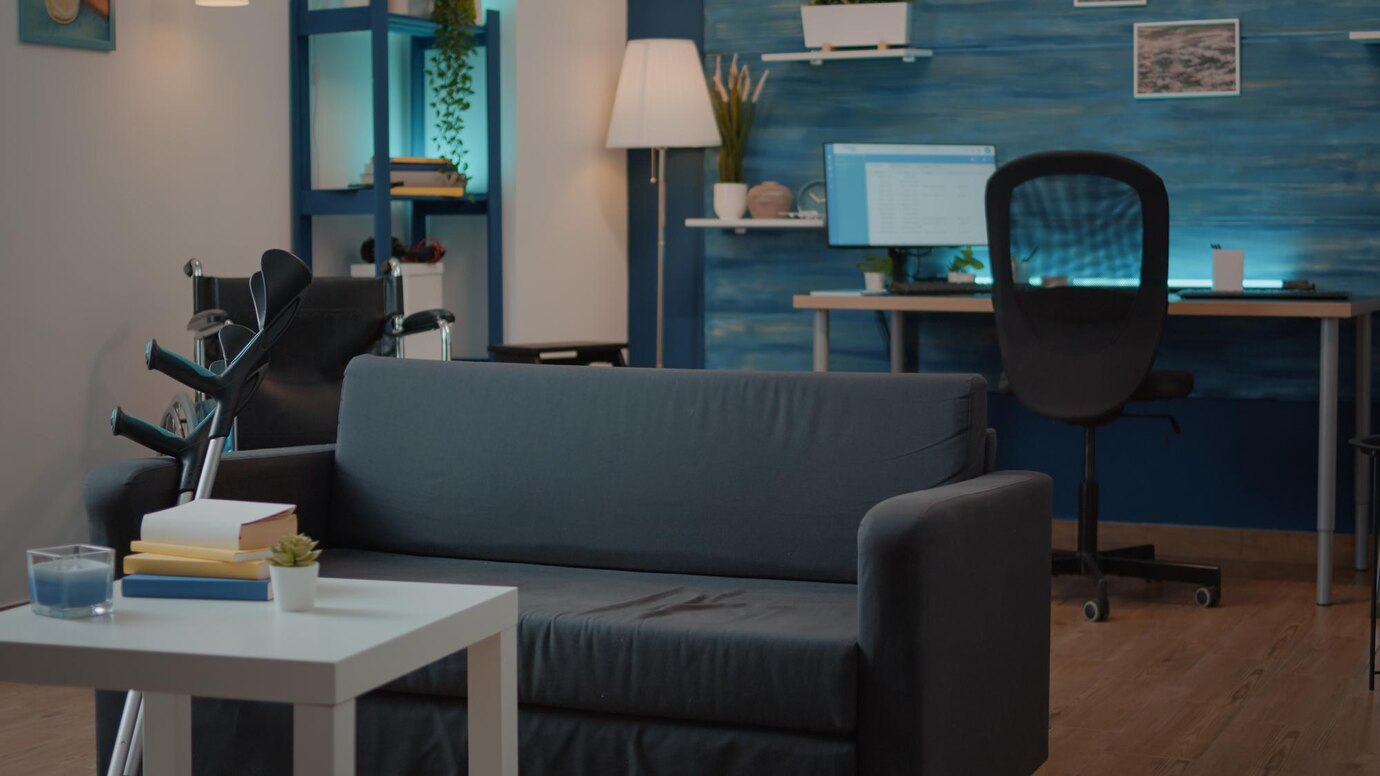
By two in the afternoon, the storage unit on Whitfield Road was organized and locked, and the house had been reduced to bare floors and empty walls and the particular kind of silence that only completely unfurnished rooms produce. A silence with depth to it, like the inside of a held breath.
We drove back and stood in the kitchen together, drinking water from paper cups because I had already packed the glasses.
“What’s left?” Doris asked.
I walked to the refrigerator and pulled the door open. Three cans of cat food sat on the middle shelf, lined up with the labels facing out. I had purchased them specifically for this purpose at the grocery store on Tuesday. I did not own a cat.
Doris looked at the cans for a long moment. “Pete?” she said.
“In case they get hungry,” I said.
She pressed her lips together very hard. Her shoulders shook once. Then she got herself under control, which I respected enormously.
I closed the refrigerator and moved to the back door. The gas line to the outdoor grill ran along the exterior wall, terminating in a shut-off valve just below the deck. I turned it clockwise until it would not move any further. No one would be barbecuing at my house this New Year’s Eve, regardless of how many pounds of imported beef they had carried in from Florida.
Back inside, I opened the Nest app on my phone. The thermostat in the hallway glowed its usual soft green. I navigated to the settings, selected Eco mode, entered a temperature of fifty-nine degrees Fahrenheit, warm enough that no pipes would freeze, cool enough that no one would be comfortable, and set a pin that bore no resemblance to any number Corbin or Blythe might reasonably guess. The app confirmed the change. I locked my phone and put it in my pocket.
The router was next. I logged into the network settings from my laptop, which I would be taking with me, and changed the Wi-Fi name to: Motel 6 — Welcome Home, Blythe. For the password, I opened a random password generator and copied twenty-four characters of mixed letters, numbers, and symbols into the field. Something like that is not guessed. It is surrendered to.
Then I opened my email and found the message from my realtor, Patricia, which had been sitting in my inbox since Tuesday. The purchase agreement for the house was attached as a PDF. The Henderson family, the young couple who had left their information after the September open house, had come in with a clean offer and no contingencies. Closing was set for January 15th. I opened DocuSign, found my signature fields, and clicked through each one without pausing. When the final confirmation appeared, I closed the laptop and set it by the door with my suitcase.
The house was someone else’s now. At least on paper. It felt correct.
I carried the metal folding chair from the garage to the center of the empty living room and set it down on the hardwood floor. The sound of its legs touching the wood rang out sharp and clear in all that emptiness. I went back to the kitchen, picked up the large cardboard box with its black-lettered address, For Blythe and Corbin, Happy New Year, and carried it out and placed it squarely on the seat of the chair.
Doris stood in the doorway with her keys in her hand, looking at the chair and the box in the center of the bare room. The late afternoon light came through the windows at a low angle and lay across the floor in long, pale strips.
“It looks like a throne,” she said quietly.
“It is,” I said.
I walked through the house one final time. Down the hallway. Into each of the five bedrooms. Back through the kitchen. Through the living room. I was not looking for anything I had forgotten. I was not feeling sentimental. I was simply closing something properly, the way you close a book you have finished and set it on a shelf and do not need to open again.
I locked the front door from the inside, walked through the kitchen to the garage, and pressed the button to lower the door behind me. I put my suitcase in the back seat, my laptop bag in the front, and started the car. At the end of the driveway, I stopped and looked once into the rearview mirror. The house stood still in the gray December light. Quiet and patient and completely, entirely empty.
I pulled onto the road and drove south toward Miami.

Sophia Rivers is an experienced News Content Editor with a sharp eye for detail and a passion for delivering accurate and engaging news stories. At TheArchivists, she specializes in curating, editing, and presenting news content that informs and resonates with a global audience.
Sophia holds a degree in Journalism from the University of Toronto, where she developed her skills in news reporting, media ethics, and digital journalism. Her expertise lies in identifying key stories, crafting compelling narratives, and ensuring journalistic integrity in every piece she edits.
Known for her precision and dedication to the truth, Sophia thrives in the fast-paced world of news editing. At TheArchivists, she focuses on producing high-quality news content that keeps readers informed while maintaining a balanced and insightful perspective.
With a commitment to delivering impactful journalism, Sophia is passionate about bringing clarity to complex issues and amplifying voices that matter. Her work reflects her belief in the power of news to shape conversations and inspire change.