After Tommy died, Christmas Eve was never the same at our house.
I didn’t know any different. It’s just the way it always was, as long as I could remember.
On Christmas Eve, Mom would make pierogi. Potato and cheese, and sauerkraut. Grandma Dombrowski’s recipe. She’d set the table with the good dishes and the white tablecloth with the holly on it. We’d go to five o’clock Mass at St. Mary’s. We’d come home and eat.
And at seven o’clock, my father would stand up from the table.
“I’ve got a headache,” he’d say. “I’m going to bed.”
And he’d go upstairs. And he’d close the bedroom door. Every single year.
Mom would sigh and start clearing the plates.
“Your father has a hard time with Christmas Eve,” she’d say. “Because of Tommy. You understand.”
We understood. Sort of. Tommy died two days before Christmas. Of course it was hard.
But I’ll tell you the truth.
It hurt.
Every year, I’d sit on the living room floor with Mike and Mom and open our one Christmas Eve present, which was always pajamas, and I’d look at the stairs. At the closed door at the top. And I’d think, he doesn’t even want to be with us.
Tommy’s gone. But we’re still here. Why doesn’t he want to be with us?
And then, around eight o’clock, every single Christmas Eve, the sleigh bells would start.
You could hear them all the way from the end of the block. Jingle, jingle, jingle. Getting closer.
Mike and I would run to the front window and press our faces against the cold glass.
And there he’d be.
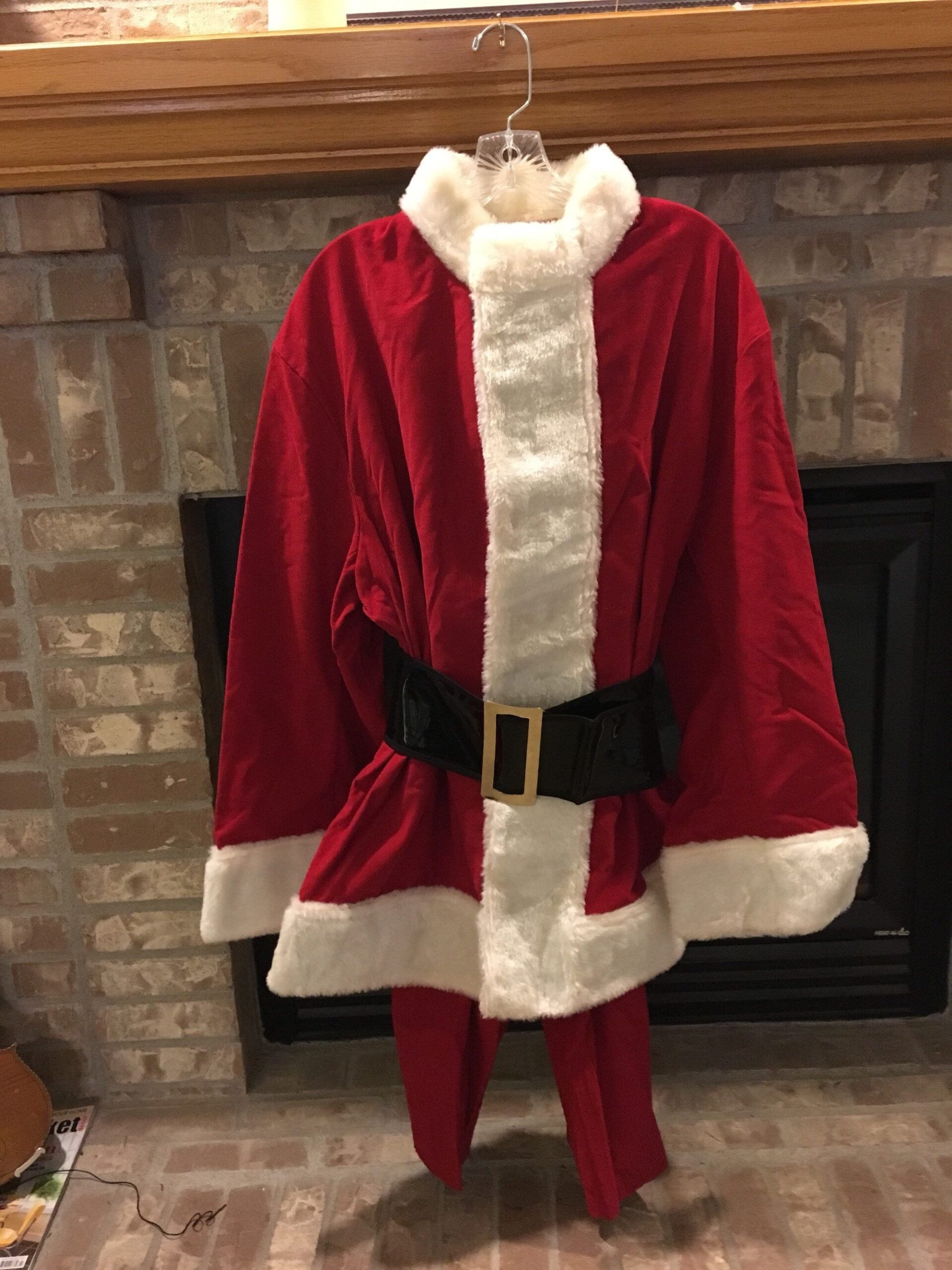
Santa Claus. Coming down Maple Street.
He came in the back of a red Ford pickup truck, with a big pine wreath wired to the grille and Christmas lights strung all around the bed. Somebody drove the truck very slowly down the middle of the street. And Santa stood up in the back, holding on to the cab with one hand, ringing a big brass handbell with the other.
He had a huge green canvas sack. And he stopped at every house on Maple Street that had kids in it.
Every single one.

Laura Bennett writes about complicated family dynamics, difficult conversations, and the quiet moments that change everything. Her stories focus on real-life tensions — inheritance disputes, strained marriages, loyalty tests — and the strength people find when they finally speak up. She believes the smallest decisions often carry the biggest consequences.