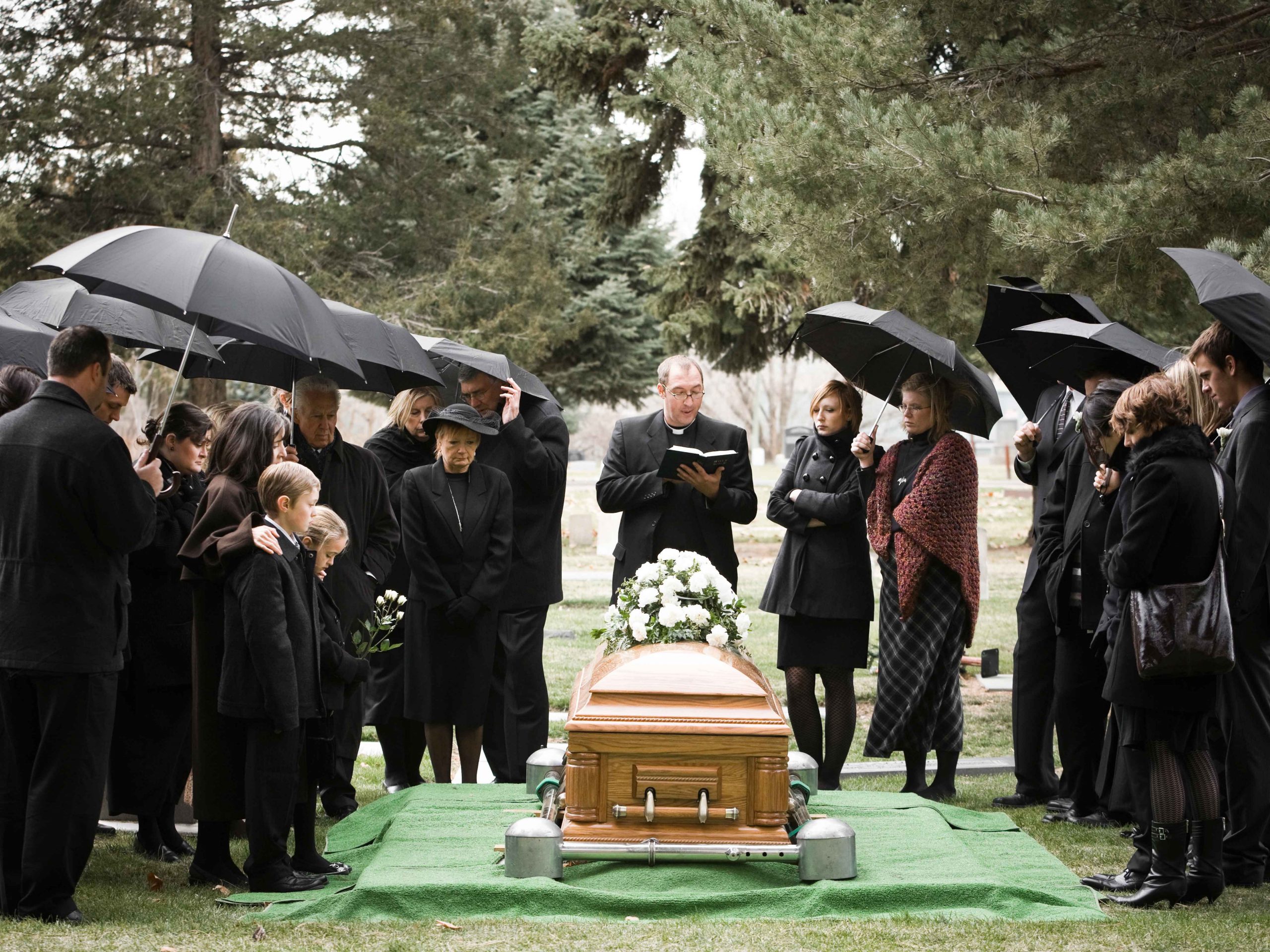
Last week, I went out to see Dad.
It was a bright, cold afternoon at the end of October. Two years almost to the day. The wind was coming hard across the cemetery, the same way it did the morning we buried him.
His stone is plain gray granite. Nothing fancy. Just his name, and one line underneath it that I chose myself.
GEORGE BRANDT. HE FIXED WHAT WAS BROKEN.
I sat down on the grass beside it with a thermos of coffee. I poured two cups. I set one on top of the stone.
“I listened to it again,” I told him. “The recording. I play it sometimes, at the shop. On Thursday nights, after everybody’s gone home.”
The wind moved through the pine trees at the edge of the cemetery.
“I wasn’t sure about it at first, you know. Right after. I thought maybe you’d been harsh. I thought maybe you’d been wrong about him, and you’d embarrassed him in front of everybody for nothing.”
I wrapped both hands around my cup.
“But you weren’t wrong. You were right about everything. You always were.”
A sparrow landed on top of the granite, right next to the coffee cup, and cocked its head at me.
“I want to ask you something,” I said. “I’ve wanted to ask you for two years.”
I took a sip of coffee.
“Why a recording, Dad? Why not just tell me? You could have sat me down at the kitchen table. Like you did with the ledger when I was fifteen. You could have just said it.”
I stopped.
Because I already knew the answer.
I’d always known it.
And I could hear him say it. In that dry, gentle voice I will never, ever stop hearing.
Because you’d have defended him, Lydia. You’d have said, “Dad, you’re sick, you don’t understand him.” And I’d have lost. Because you love people. It’s your best quality. And it’s the one they’d use against you.
“I’d have defended him,” I said out loud.
The wind stirred the dry grass around the stone.
“I was so scared of being alone. That’s the truth. So I let him put his hand on my wrist. I let him ask about the land. I let him sit at your desk.” I laughed, a little shakily. “And you knew. You knew all of it. And you didn’t say it to me. Because you knew I couldn’t hear it from you.”
The sparrow hopped once along the top of the granite.
“So you waited. And you made it so I’d hear it from somebody else. From him. In his own voice.”
A long silence. The sparrow flew away into the pines.
“That was the most loving thing anybody’s ever done for me, Dad,” I said.

Adrian Hawthorne is a celebrated author and dedicated archivist who finds inspiration in the hidden stories of the past. Educated at Oxford, he now works at the National Archives, where preserving history fuels his evocative writing. Balancing archival precision with creative storytelling, Adrian founded the Hawthorne Institute of Literary Arts to mentor emerging writers and honor the timeless art of narrative.