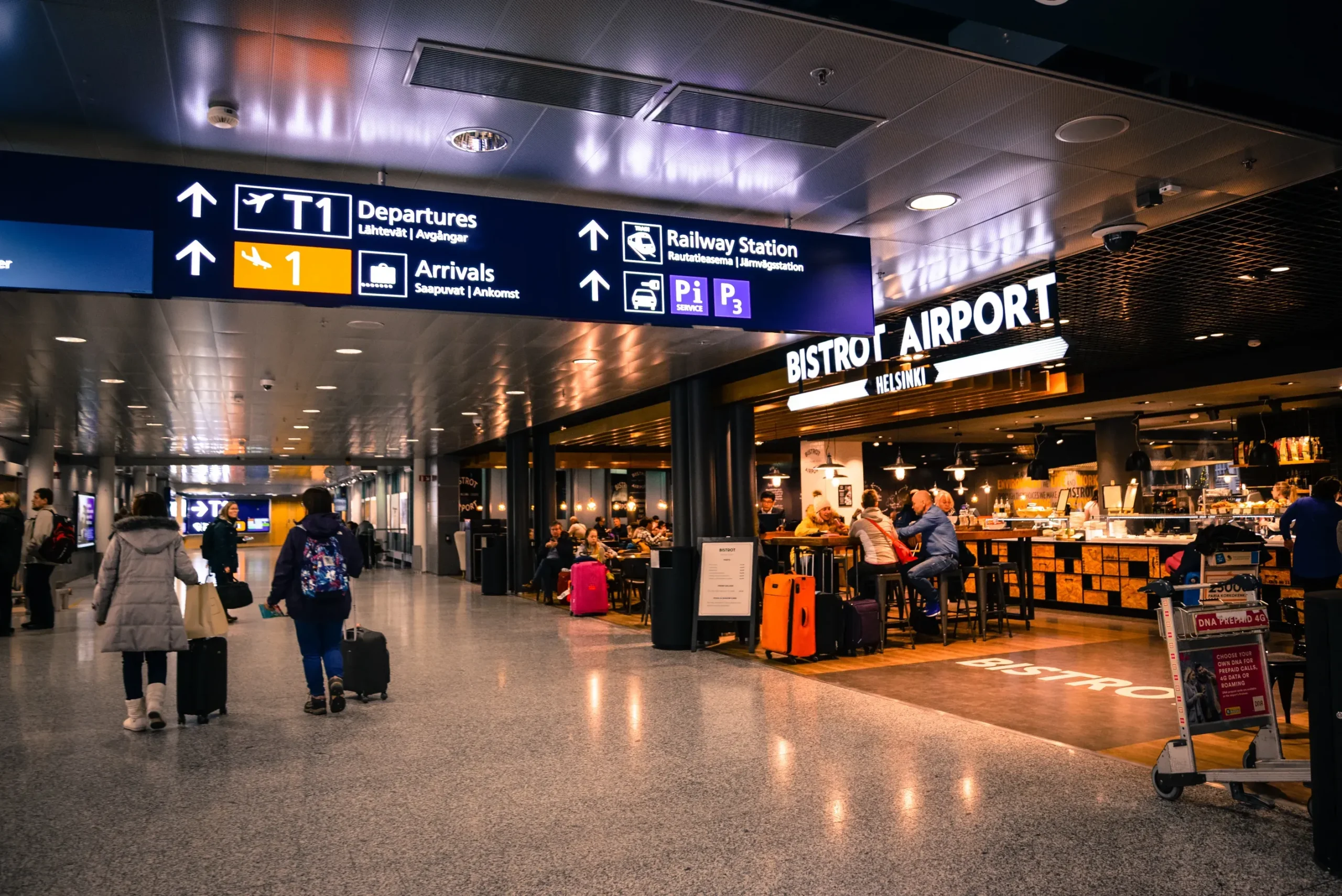
I watched them on my doorbell camera from the kitchen.
Emma was upstairs with our neighbor, Diane. Diane is a retired schoolteacher who lives across the street. When she saw my parents’ car pull into my driveway, she walked straight over in her gardening clogs and took Emma up to her room to do a puzzle. She didn’t ask a single question.
My father pounded on the front door with the side of his fist. Over and over.
“Rachel! Open this door. You’re going to explain exactly how you plan to fix all of this.”
Fix. Of course.
I called the police non-emergency line and gave them my address. Then I sent one message to the family group.
Leave my property immediately. Officers are on the way. All communication goes through my attorney.
Lauren walked right up to the camera and stared into it. Her face filled my whole phone screen.
“You’re seriously calling the police on your own family?”
I pressed the intercom button.
“You left my daughter alone in an airport.”
For the first time in my life, nobody in my family had anything to say back to me.
My mother stopped crying. Scott looked over his shoulder at his car. My father kept yelling for me to come outside and talk like an adult. He kept yelling right up until a patrol car turned the corner onto my street.
The officer got out and walked up my driveway. He spoke calmly. He told them that if they stayed after being told to leave, they could be cited for trespassing.
My father headed toward his car. Halfway there, he turned and pointed at my front door.
“You’ll regret humiliating us like this.”
I pressed the intercom one more time.
“No, Dad. You regret that everything was written down.”
The next morning, Maya sent formal no-contact letters to my parents, Scott, and Lauren. Certified mail and email.
They were not allowed on my property. They were not allowed near Emma’s school. They were not allowed to pick her up from soccer or swim lessons or anywhere else. They were not allowed to call her, text her, email her, or message her on her tablet.
My parents had no legal visitation rights. They never had. The only reason they ever had access to Emma was because I trusted them.
That trust was gone.
I told Emma about the new rules at breakfast. She pushed one Cheerio around her bowl with her fingertip. She didn’t eat.
“Are Grandma and Grandpa going to jail?”
“Probably not, sweetheart.”
“Are they mad at me?”
“They’re mad because they finally have to face what they did. That’s different from being mad at you.”
She was quiet for a long time.
Then she asked the question that hurt worse than anything my family had said to me.
“If I asked Grandma not to take the first class seat, would she have stayed?”
I pulled my chair right next to hers.
“Emma, look at me. It was never your job to convince grown-ups to keep you safe. Never. One grown-up should have stayed with you. All the others should have said no to those seats until you were included. That’s how it works. That’s how it’s supposed to work.”
“Even Uncle Scott?”
“Especially Uncle Scott. Because he turned around, and he saw you.”
She nodded. But a few words at a breakfast table can’t fix something that’s been broken. It doesn’t work that fast.

Laura Bennett writes about complicated family dynamics, difficult conversations, and the quiet moments that change everything. Her stories focus on real-life tensions — inheritance disputes, strained marriages, loyalty tests — and the strength people find when they finally speak up. She believes the smallest decisions often carry the biggest consequences.