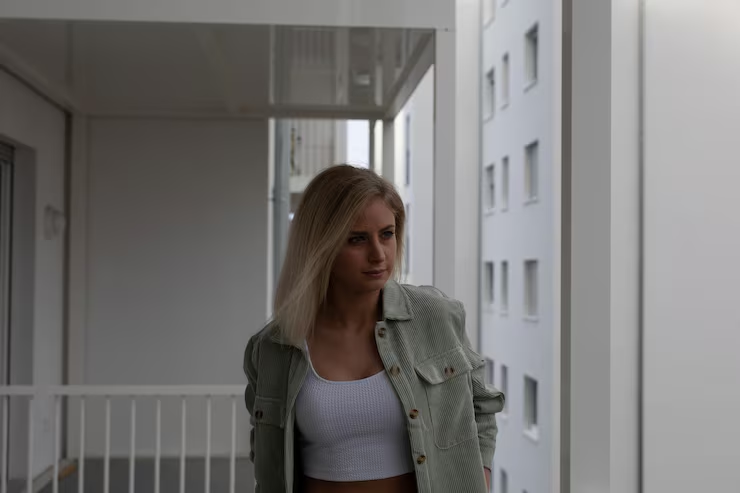
Lauren came to visit again in March. This time she stayed for a long weekend.
We painted the kitchen sage green, just like I had planned before that moving truck ever showed up. We played the radio too loud. We got paint in our hair. We ate grilled cheese sandwiches standing at the counter because the kitchen table was covered in drop cloths.
On Saturday afternoon, Lauren stepped back from the wall and wiped her forehead with her wrist.
“Mom, can I ask you something?”
“Of course.”
“Why didn’t you call Dad that morning?”
I set my paint roller in the tray.
“What do you mean?”
“When you first saw the truck. You always used to call him when something happened. You’d try to talk it through. Every time. Even when I was little, I remember that.”
I looked at the fresh green wall for a long moment.
“I almost did,” I admitted. “My thumb was right on his name.”
“What stopped you?”
I thought about it.
“For twenty-seven years, whenever your father hurt me, I called him and asked him to explain.”
Lauren waited.
“And he always had an explanation. Always. And by the end of the call, somehow I believed I had misunderstood. Or overreacted. Or remembered it wrong.”
I picked a dried flake of paint off my thumb.
“But that morning, I was watching the camera. I could see exactly what was happening with my own eyes. And I realized if I called him, he’d keep talking until I stopped believing what I was looking at.”
Lauren was quiet.
“So I decided to trust what I saw,” I said. “Instead of asking him to tell me what I was seeing.”
She looked down at the paintbrush in her hand for a long time.
“I think I’ve been doing that too,” she said.
“With your dad?”
“With him. And other people.” She hesitated. “With my boyfriend, actually.”
I raised my eyebrows. “Boyfriend?”
“Ex-boyfriend. Now.” She gave a small laugh. “After everything with Dad, I started noticing things. He’d say something really hurtful, and when I got upset, he’d tell me I was too sensitive. That I was overreacting.”
I nodded slowly. “That sounds familiar.”
“I know. That’s what scared me.” She looked at me. “I didn’t want to end up like—”
She stopped. Her face turned pink.
“Mom, I didn’t mean—”
“It’s okay,” I said gently. “You didn’t want to end up like me.”
“Not like you. Like the way things were for you.”
I smiled at her.
“Honey, neither did I. That’s why I left.”
Lauren put down her brush, walked over, and hugged me.
We got sage-green paint all over both of our shirts.
Neither of us cared one bit.
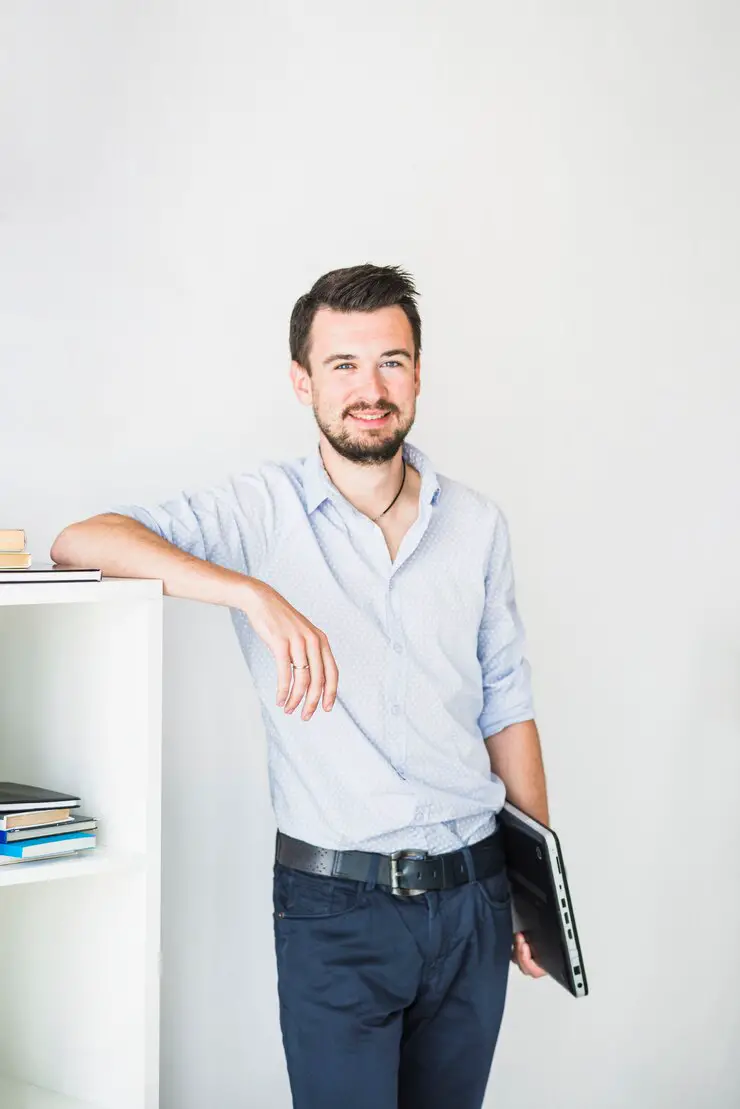
Ethan Blake is a skilled Creative Content Specialist with a talent for crafting engaging and thought-provoking narratives. With a strong background in storytelling and digital content creation, Ethan brings a unique perspective to his role at TheArchivists, where he curates and produces captivating content for a global audience.
Ethan holds a degree in Communications from Zurich University, where he developed his expertise in storytelling, media strategy, and audience engagement. Known for his ability to blend creativity with analytical precision, he excels at creating content that not only entertains but also connects deeply with readers.
At TheArchivists, Ethan specializes in uncovering compelling stories that reflect a wide range of human experiences. His work is celebrated for its authenticity, creativity, and ability to spark meaningful conversations, earning him recognition among peers and readers alike.
Passionate about the art of storytelling, Ethan enjoys exploring themes of culture, history, and personal growth, aiming to inspire and inform with every piece he creates. Dedicated to making a lasting impact, Ethan continues to push boundaries in the ever-evolving world of digital content.