
That afternoon, I went out to my truck and got the box that said June.
Mom opened it at the kitchen table.
Inside, wrapped in damp newspaper and set down in an old dishpan so they wouldn’t tip over, were six African violets in little clay pots. Purple ones and pink ones, and one white one with a blue edge around every petal.
I knew that dishpan. It was the one we used to snap green beans in.
“I took them after the funeral,” Mom said. “Nobody else wanted them. Ron was going to throw them out with the old magazines.”
“You’ve had them six years?”
“On my kitchen windowsill at the Meadowbrook.” She shook her head. “That window faces north, Shane. Do you know how hard it is to keep a violet alive in a north window for six years? I talked to them every morning, the way June used to. I felt like a fool.”
She carried them one at a time into the front bedroom. She set them on the windowsill in a row, exactly the way June used to have them. The morning light had moved off the room by then, but you could see just how it would land on them tomorrow.
Dad came and stood in the bedroom doorway. He didn’t come in. He looked at those violets for a long time.
“Those are June’s,” he said.
“They are.”
“You kept June’s violets.”
“Somebody had to.”
He put his hand on the door frame. I saw his jaw working.
Then he turned around and walked out to the garage. We heard him out there for an hour, moving his old foundry boxes around. Neither one of us went out after him.
I won’t tell you any of it was easy.
They’d been married nineteen years and divorced for twenty. They had a long list of reasons why.
The first week, Mom put a list on the refrigerator with a magnet shaped like a cardinal.
Kitchen after 7 p.m. is hers. Bathroom before 6 a.m. is his. Front room television is hers on Wednesdays for her show. Nobody touches anybody else’s coffee.
Dad read it standing at the fridge with his reading glasses on the end of his nose.
Then he took a pen out of the junk drawer and added one line at the bottom, in his blocky foundry handwriting.
Nobody moves the swing.
Mom read it the next morning. She didn’t say anything.
But she left it up.
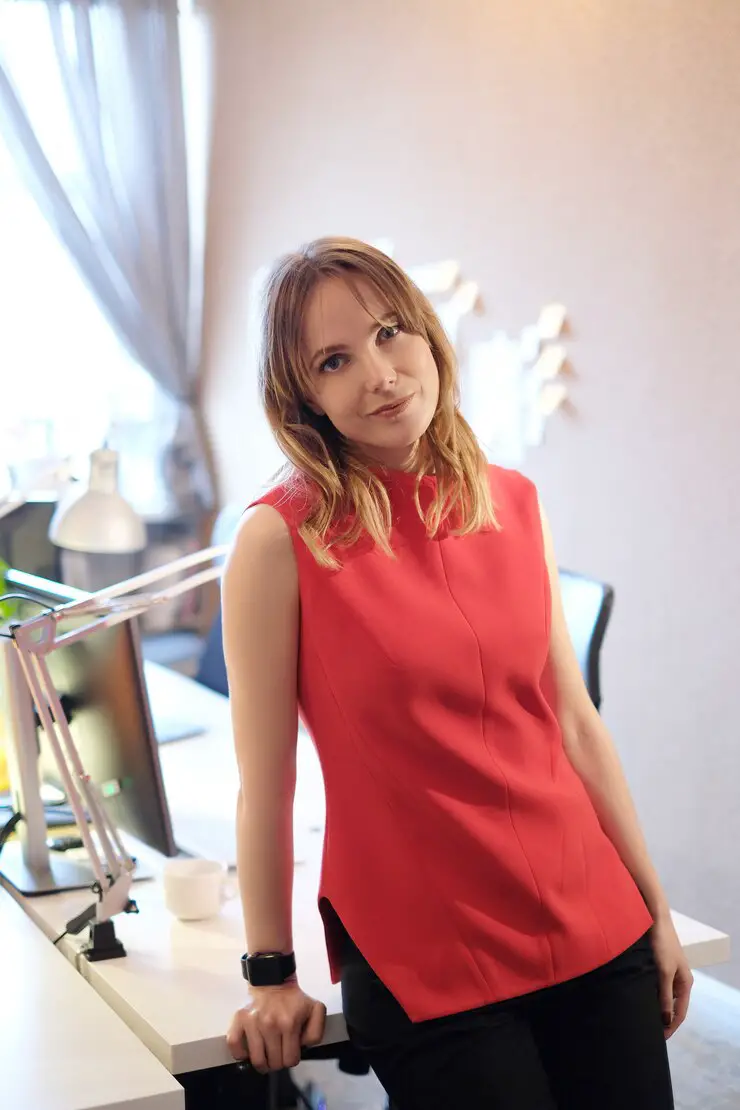
Sophia Rivers is an experienced News Content Editor with a sharp eye for detail and a passion for delivering accurate and engaging news stories. At TheArchivists, she specializes in curating, editing, and presenting news content that informs and resonates with a global audience.
Sophia holds a degree in Journalism from the University of Toronto, where she developed her skills in news reporting, media ethics, and digital journalism. Her expertise lies in identifying key stories, crafting compelling narratives, and ensuring journalistic integrity in every piece she edits.
Known for her precision and dedication to the truth, Sophia thrives in the fast-paced world of news editing. At TheArchivists, she focuses on producing high-quality news content that keeps readers informed while maintaining a balanced and insightful perspective.
With a commitment to delivering impactful journalism, Sophia is passionate about bringing clarity to complex issues and amplifying voices that matter. Her work reflects her belief in the power of news to shape conversations and inspire change.