I moved into the cottage that spring.
I kept the little house near Coffee Pot Bayou for when family visits. But the cottage became my home.
Rosa still comes three days a week. I make her take her days off and stop treating me like a fragile antique. She laughed the first time I said that. Then she taught me how to make Cuban coffee. I taught her Robert’s favorite lemon pound cake.
Margaret visits on Sundays when she can. Daniel came once with his wife and brought a young Meyer lemon tree for the garden.
Ethan and Lily spend weekends with me whenever Karen can bring them up.
We planted yellow roses. We watched dolphins come up in the inlet at sunset. We made pancakes shaped like terrible-looking animals and laughed until Lily knocked the syrup off the table.
Sometimes Ethan sits beside me on the porch and asks about his grandpa.
I tell him everything. How Robert proposed with a ring he bought with three months of savings. How he drove forty miles in the middle of the night to bring me a peach milkshake when I was pregnant with Michael. How he danced with me in the kitchen every time our wedding song came on the radio.
One afternoon, Ethan asked, “Do you still love Dad?”
The question hurt more than I expected.
“Yes,” I said.
“Will you forgive him?”
I watched a pelican glide low across the water.
“I don’t know what forgiveness looks like yet,” I said. “But I hope he becomes someone who understands what he did.”
Ethan leaned his head against my shoulder.
“Grandpa would’ve liked this place,” he said.
“Yes,” I whispered. “He would have.”
Michael wrote to me from prison.
His first letters were full of explanations. His business had failed. Ashley pushed him. He panicked. He never meant for it to go so far.
I read them. Then I put them away in a drawer.
Months later, another letter came. Shorter.
“Mom,
I keep remembering you in the driveway.
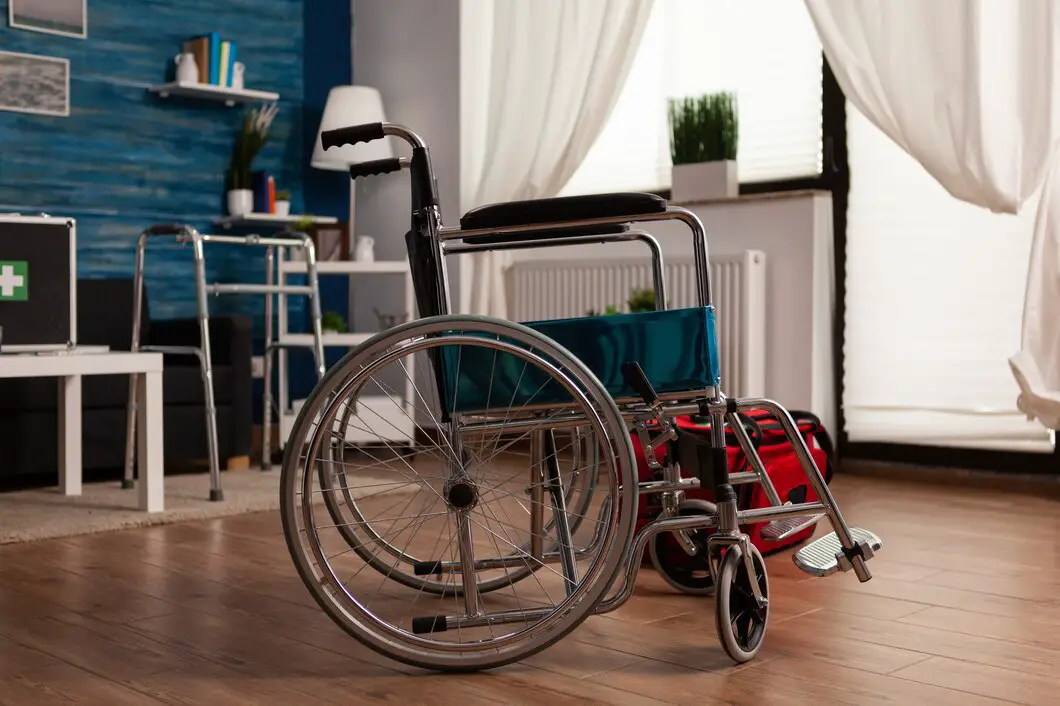
I remember how you looked up at me when I grabbed your chair. I remember how light it was. How easy it was to push you.
And I remember feeling relieved when you were gone.
That’s the part I can’t forgive myself for. Not the money. Not the court. That moment.
You needed me. And I was relieved when you went away.
I’m sorry. I don’t expect you to answer.
Michael.”
I read it twice. Then I set it beside Robert’s photograph on the mantel.
For the first time, Michael hadn’t asked me for anything. No money. No help. Not even forgiveness.
Just the truth.
I wrote back.
“Michael,
I love you. That has never changed.
But love doesn’t erase responsibility.
I hope you spend this time becoming a man your children can trust. I hope you learn to tell the truth even when it costs you something.
And I hope that one day, when somebody comes to your door needing help, you’ll remember what it felt like to watch me leave.
Mom.”
I mailed it the next morning.
I don’t know if we’ll ever be close again. I still don’t.
But I no longer believe that not knowing means my life has to stay unfinished.

Specialty: Quiet Comebacks & Personal Justice
David Reynolds focuses on stories where underestimated individuals regain control of their lives. His writing centers on measured decisions rather than dramatic outbursts — emphasizing preparation, patience, and the long game. His characters don’t shout; they act.