On the drive home, Audrey told me the rest.
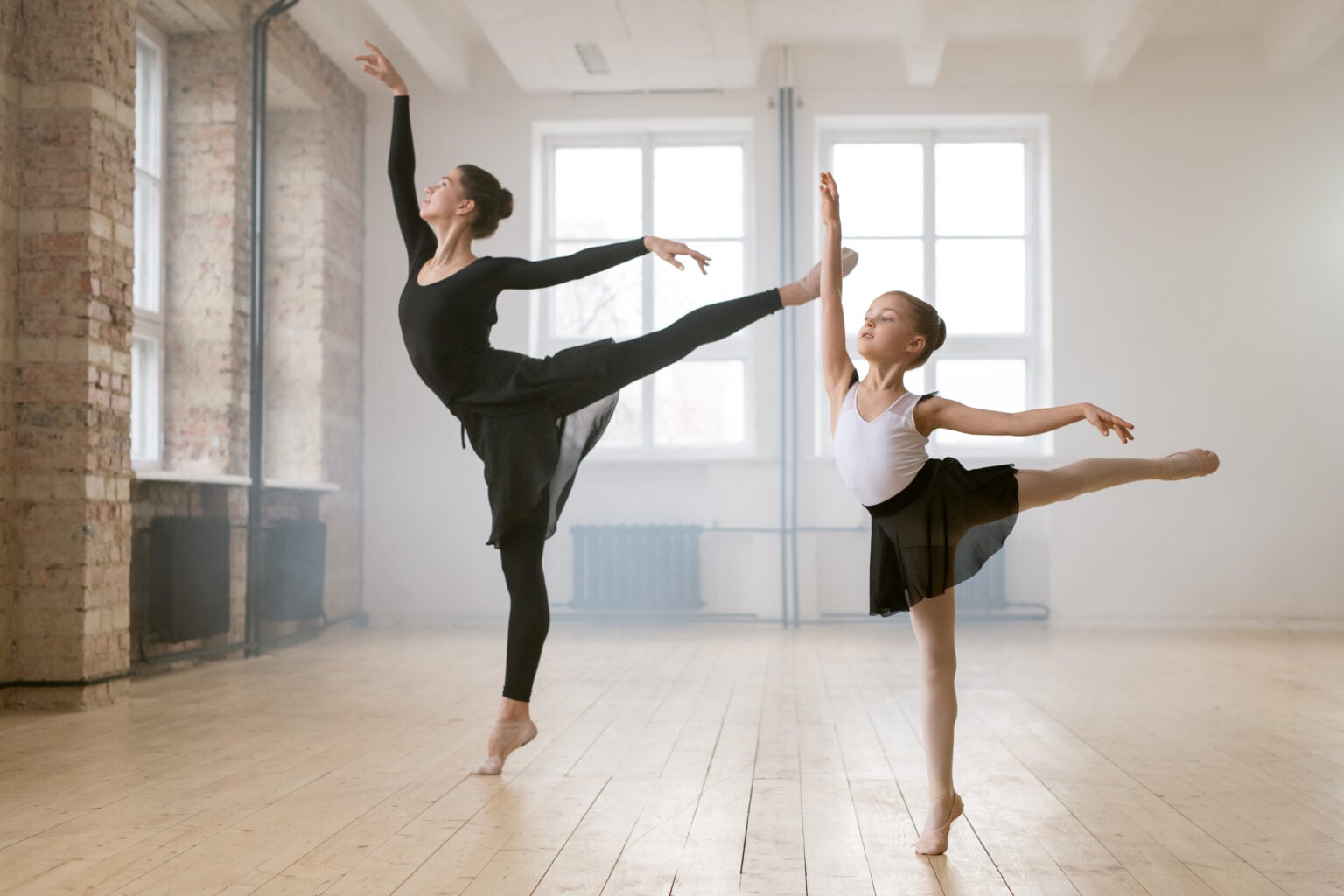
For two weeks, three nights a week, she’d sat in the studio lobby or at a Panera Bread down the street doing her homework, while the other girls danced. She’d watch them through the glass sometimes. Derek would pick her up at eight o’clock like nothing was wrong.
“He told me not to practice at home anymore,” she said, staring out the passenger window. “He said it would only make me look desperate. He said you’d feel worse if you saw me trying.”
“Is that what you were begging him about last night? In the driveway?”
She nodded. “I wanted him to talk to you. To ask if I could at least try out for the recital. He kept saying I needed to accept your decision.”
“Why didn’t you just tell Dad?”
“He said Dad agreed with you.”
My knuckles were white on the steering wheel.
Audrey kept checking her phone. Finally, very quietly, she asked, “Are you going to tell Derek I told you?”
“Yes,” I said. “But you are not in trouble, Audrey. You hear me? None of this is your fault.”
She was quiet for a while. Then she whispered something I’ll never forget.
“He said you always say nice things to my face, but you complain about me when I’m not around. He said you told him I was a lot of work.”
I pulled into the parking lot of a closed Walgreens. I couldn’t safely keep driving.
I turned off the car and sat there gripping the wheel, breathing, while my daughter watched me.
“I have never once in your whole life complained about you to Derek,” I said. “Not once. I brag about you. I brag about you to people at work who are sick of hearing it.”
She looked at me for a long time.
“Okay,” she said finally. Small. But she believed me.
When we got home, Scott was in the kitchen. He took one look at our faces and turned off the stove.
We sat at the kitchen table, all three of us. Scott listened to every word without interrupting. Audrey pulled up the text messages Derek had sent her and slid her phone across the table to her father.
Scott read them. Every single one. I watched his jaw get tighter and tighter.
One said: “Your mom says no auditions. Don’t make things harder on her by asking.”
Another one: “Your teacher thinks you should step back. I’m trying to spare you, kiddo.”
And another: “Don’t practice at home. Your parents feel bad enough already.”
Scott set the phone down on the table very slowly.
He didn’t say anything for a long moment. Then he picked up his own phone and called Derek.
“We need to talk,” Scott said. His voice was flat and cold in a way I’d never heard. “About the girls. Come over tomorrow at six. Bring Laura.”

Sophia Rivers is an experienced News Content Editor with a sharp eye for detail and a passion for delivering accurate and engaging news stories. At TheArchivists, she specializes in curating, editing, and presenting news content that informs and resonates with a global audience.
Sophia holds a degree in Journalism from the University of Toronto, where she developed her skills in news reporting, media ethics, and digital journalism. Her expertise lies in identifying key stories, crafting compelling narratives, and ensuring journalistic integrity in every piece she edits.
Known for her precision and dedication to the truth, Sophia thrives in the fast-paced world of news editing. At TheArchivists, she focuses on producing high-quality news content that keeps readers informed while maintaining a balanced and insightful perspective.
With a commitment to delivering impactful journalism, Sophia is passionate about bringing clarity to complex issues and amplifying voices that matter. Her work reflects her belief in the power of news to shape conversations and inspire change.