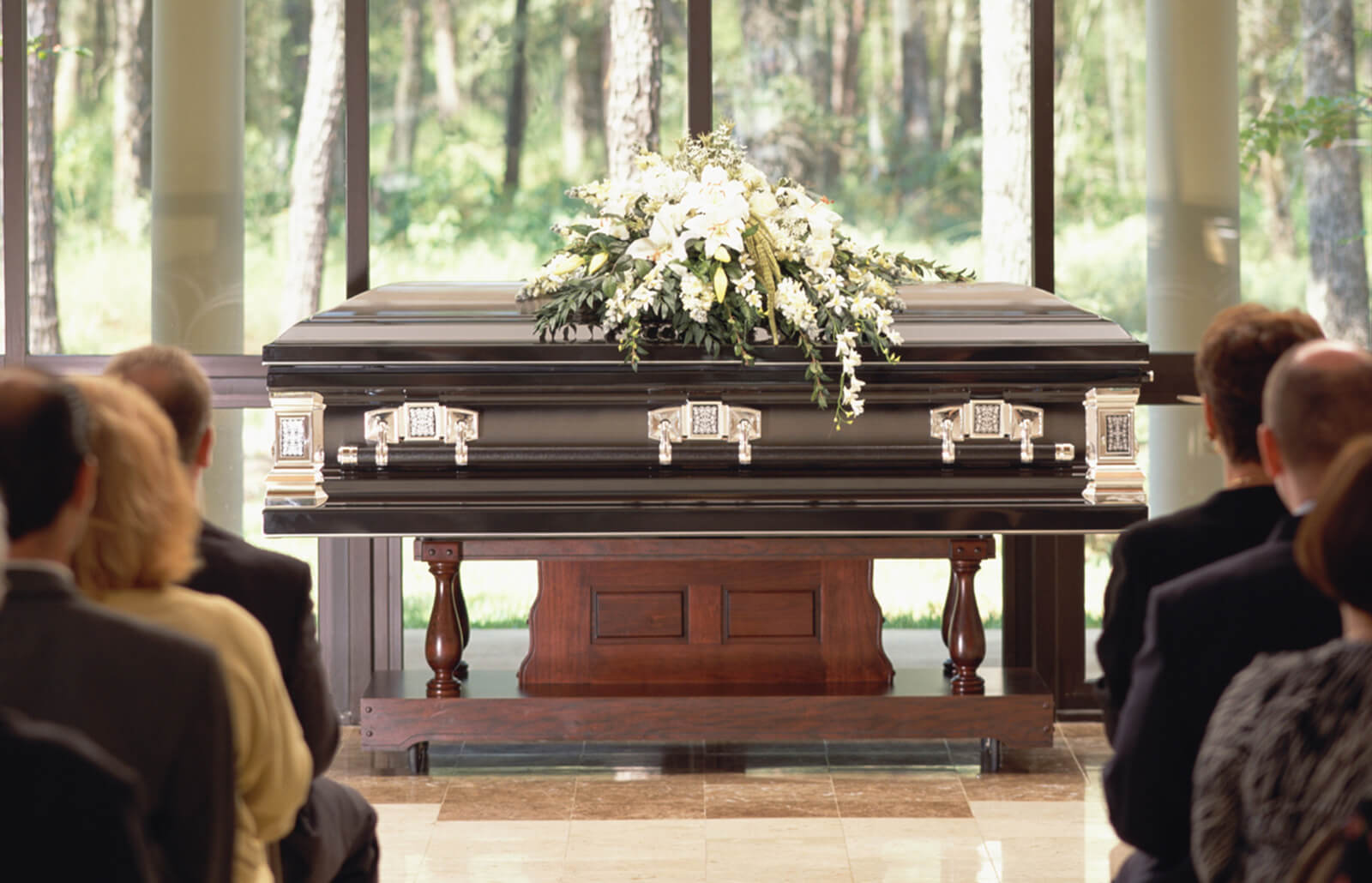
On the first anniversary of his death, the whole family drove out to the lake.
My mother came, with her cane and a casserole. My father brought a cooler of Grandpa’s favorite root beer, the brand that’s almost impossible to find anymore. He’d driven to three stores to get it.
Rebecca came too, alone, in a ten-year-old Toyota that replaced her leased Range Rover. She stood at the end of the gravel drive for a long time before she walked up to the porch.
“I wasn’t sure I was allowed,” she said.
“It’s my house,” I said. “You’re allowed.”
We ate on the porch, the four of us, with the flag from Arlington folded in a glass case on the wall behind us. Nobody said much. The lake turned gold, then copper, then dark blue. Bullfrogs started up in the reeds.
After dinner, I took two of Grandpa’s old fishing rods down to the dock. After a minute, Rebecca followed me.
“I don’t know how to do this,” she said, holding the rod like it might bite her.
“I know,” I said. “Grandpa never taught you. He always took me.”
“He took you because you asked,” she said. “I never asked. I was too busy being jealous that you got to go.”
I showed her how to hold the line with her finger and flip the bail. She cast badly, and the lure landed four feet from the dock with a pathetic little splash. She laughed, a real laugh, the first I’d heard from her in six years.
“Grandpa would have hated that cast,” she said.
“He would’ve said you’ve got to be patient with the lake,” I said. “The lake doesn’t care how important you are.”
We stood there side by side with our lines in the water as the light faded.
“Claire,” she said after a while. “Do you think he forgave me? Before he died?”
I thought about the trust amendment. Her third hadn’t been taken away. He’d held it for her, waiting. He had built a door and left it unlocked, so she could walk back through it if she was willing to do the work.
“I think he was waiting for you to earn it,” I said. “That’s what he did with people he loved. He waited. Sometimes for a really long time.”
She nodded slowly and wiped her eyes with the back of her hand.
“He waited for you too,” she said. “Five years.”
“I know,” I said. “And I came home.”
The line in her hand jerked hard. Her eyes went wide.
“Claire. Claire, something’s on it.”
“Reel it in. Slow. Don’t yank it.”
She reeled with her tongue between her teeth, the way she used to when we were little girls and she was coloring inside the lines. A small largemouth bass broke the surface, flashing silver in the last light.
Rebecca screamed, then laughed, then held the fish up in both hands like it was a trophy.
“My first fish,” she said. “I’m forty-one years old, and that’s my first fish.”
“Grandpa would’ve put extra marshmallows in your hot chocolate for that,” I said.
We let it go. It disappeared into the dark water with one flick of its tail.
Up on the porch, my father raised his root beer toward us. My mother was laughing at something, her hand over her mouth.
My grandfather told me once that respect isn’t handed to you, that sometimes you survive long enough to take it.
He was right. But standing on that dock with my sister in the dark, I finally understood the rest of it, the part he never said out loud because he lived it instead.
Respect is something you take. Family is something you give back, even to the people who didn’t deserve it. You give it because somebody once gave it to you, waiting at the door for years, keeping your keys on a hook beside his bed.

Laura Bennett writes about complicated family dynamics, difficult conversations, and the quiet moments that change everything. Her stories focus on real-life tensions — inheritance disputes, strained marriages, loyalty tests — and the strength people find when they finally speak up. She believes the smallest decisions often carry the biggest consequences.