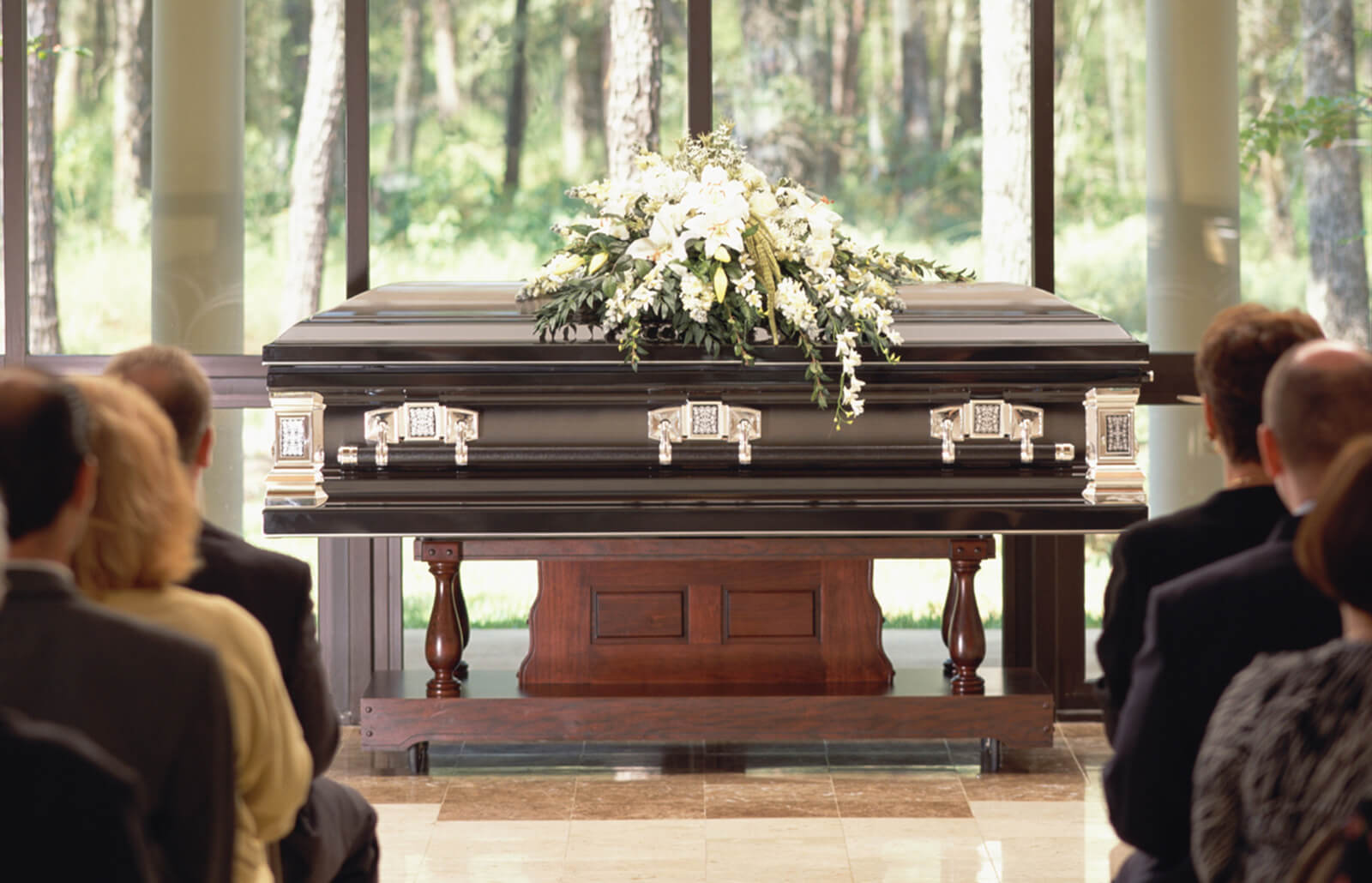
I don’t remember much of the service, and I’ve made peace with that.
I remember the chaplain’s voice and the smell of wet wool. I remember my mother in the front pew, smaller than I’d ever seen her, a cane leaning against her knee. Five years earlier she hadn’t needed a cane. When she saw me come in, she put her hand over her mouth, and I slid into the pew beside her. She grabbed my hand and didn’t let go for the whole hour.
My father sat on her other side. He looked at me once, a long, unreadable look, then turned back to the casket. He didn’t say a word.
Rebecca sat at the end of the row with her husband, Grant. Grant was a lobbyist for a defense contractor in Arlington, a man who kept business cards in his funeral suit. Rebecca stared straight ahead with her chin up. Her hands were clenched so tightly in her lap that her knuckles were white.
At the graveside, the rain finally eased to a mist. The honor guard folded the flag with slow, exact movements. Three volleys cracked across the hills. A bugler played taps from a rise beyond the trees, and the notes went out over the white headstones.
The officer in charge knelt and presented the flag to my mother. She took it with shaking hands, and then she did something nobody expected. She turned and laid it in my arms.
“He’d want you to hold it,” she whispered. “He told me so. Last spring. He said, ‘When Claire comes home, give her the flag.'”
Rebecca made a small sound, like she’d been struck.
I held my grandfather’s flag against my chest and let the rain hide my face.
When it was over and the mourners were drifting toward their cars, General Hayes found me again.
“There’s a car waiting,” he said. “Your grandfather’s attorney is expecting you at his office in Old Town. He asked that the family come too. All of them.”
“All of them?”
“Your parents, your sister, and her husband.” Hayes’s mouth pressed into a thin line. “Ed was very specific. He wanted everyone in one room when the truth came out. He said, ‘I’ve watched too many lies survive because people heard them separately.'”
I looked across the wet grass. Rebecca was standing by Grant’s black Range Rover with her phone pressed to her ear, talking fast with her free hand chopping the air. When she saw me watching, she hung up.
“She knows,” I said.
“She suspects,” Hayes said. “That’s not the same thing. Your grandfather made sure of that.”
The law office of Harold Price & Associates was in a narrow brick townhouse on King Street, with black shutters and a brass nameplate worn smooth by a century of hands. Harold Price was eighty-one years old, a year older than Grandpa had been. He’d drafted every estate document my grandfather ever signed, starting with his first will in 1971.
He met us at the door in a gray three-piece suit and shook my hand with both of his.
“Commander,” he said. “Your grandfather talked about you every time he came in here. He had a lot of confidence in you.”
“Did he come in often?”
Harold glanced at Rebecca coming up the steps behind me.
“More often in the last two years,” he said, “than in the forty before that.”

Laura Bennett writes about complicated family dynamics, difficult conversations, and the quiet moments that change everything. Her stories focus on real-life tensions — inheritance disputes, strained marriages, loyalty tests — and the strength people find when they finally speak up. She believes the smallest decisions often carry the biggest consequences.