My mother set up the trust eight months before she died.
I remember the day because she called me into the kitchen and made me sit down. She was already thin by then, the chemo hollowing out her cheeks, a scarf wrapped around her head in the green she knew I liked.
“I need you to understand something, Em,” she’d said. “This house is going to you and your sister. Equally.”
“Mom, don’t talk like that.”
“I’m going to talk like that because somebody has to.” She reached across the table and squeezed my hand. “Your father can live here as long as he wants. That’s in the papers. But he can’t sell it, and he can’t borrow against it, unless both of you agree. In writing.”
I didn’t understand then why she’d been so specific about that last part. I was twenty-three and stupid with grief I hadn’t even started feeling yet.
“Why would he borrow against it?” I asked.
My mother looked out the window at the backyard, where Dad was on the phone, pacing, talking about some business opportunity with his hands.
“Your father loves big ideas,” she said quietly. “He loves them more than he loves being careful. I just want to make sure there’s always something left for you girls.”
Sitting on my closet floor four years later, I finally understood what she’d been protecting us from.
It was almost one in the morning, but I found Harold Brennan’s office number and left a message anyway. I kept my voice steady. “Mr. Brennan, this is Emily Parker. I received your letter. I did not sign that consent. I did not authorize anyone to sign it. I was deployed overseas on August 14th, and I can prove it. Please call me back.”
He called at 8:02 the next morning.
“Captain Parker,” he said. His voice was older than I remembered, but just as careful. “Thank you for calling. I was hoping you would.”
“Mr. Brennan, I never agreed to any loan.”
“I suspected as much.” I heard papers shuffle. “Your mother was very clear about the consent requirement when she drafted the trust. When the bank sent over the closing documents and I saw the power of attorney attached, something didn’t sit right. A limited power of attorney for a car and an apartment lease doesn’t stretch to a $300,000 lien on a trust property.”
“Has any money gone out?”
“Not yet. The bank’s attorney needs my sign-off as counsel to the trust before closing. I haven’t given it.”
I let out a breath I didn’t know I’d been holding. “Can you hold it?”
“I can do more than that,” he said. “But I’d like you to come in. I need to see you in person, and I need you to bring proof of where you were on August 14th. Can you be here Tuesday at ten?”
“I’ll be there.”
There was a pause. Then he said, more gently, “Emily, I’m sorry. Your mother would be heartbroken.”
“She saw it coming,” I said. “She just hoped she was wrong.”
After I hung up, I went to the kitchen to make coffee. My hands still weren’t quite steady. The empanada plate from Mrs. Delgado sat on the counter, half empty.
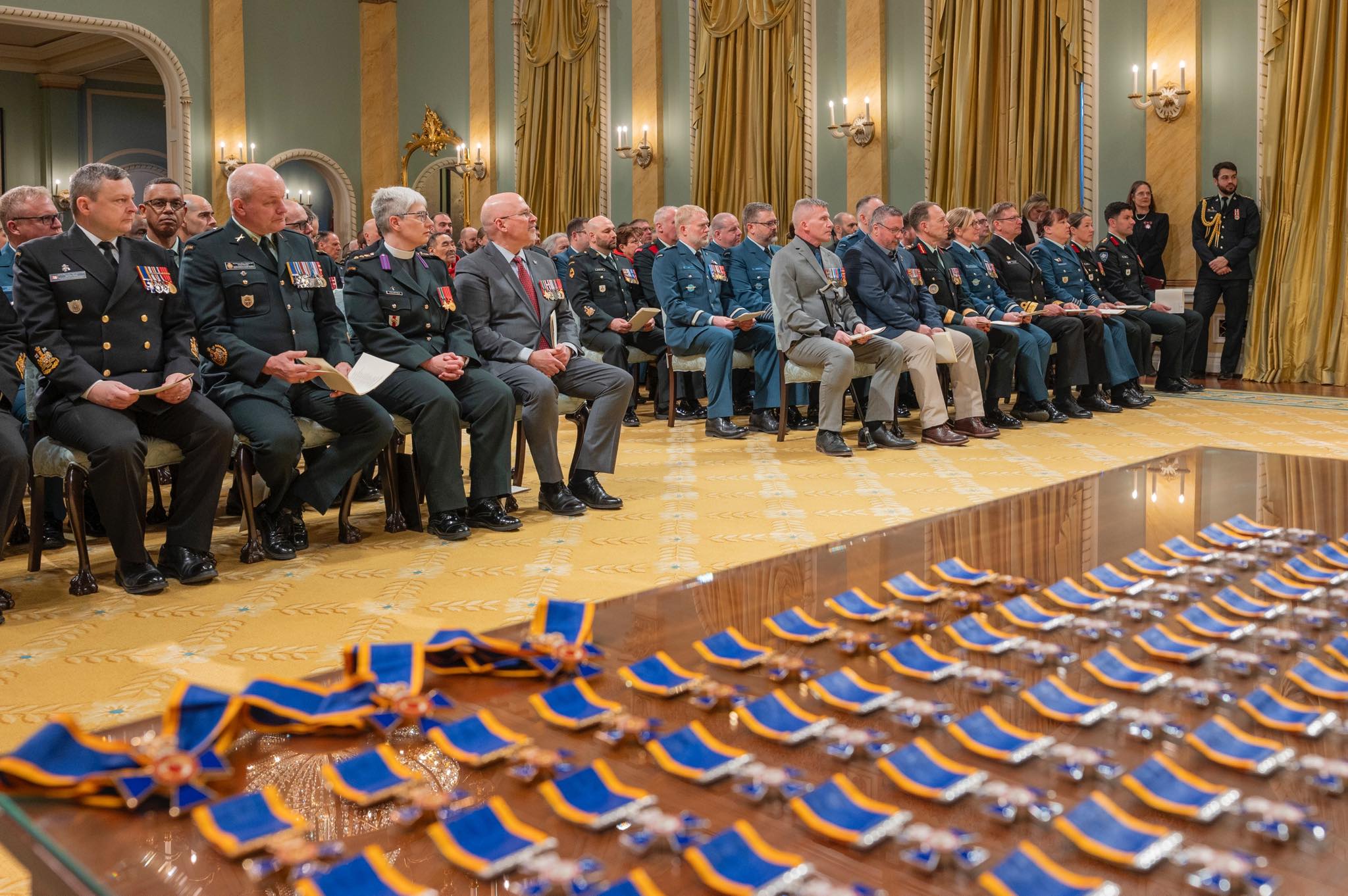
That’s when I saw the email notification on my phone. The subject line read: “Invitation – Recognition Presentation, Ardmore Hotel, Boston.”
I opened it.
“Captain Parker,” it said. “On behalf of General Thomas Vance, your attendance is requested at a private presentation recognizing service members involved in Operation Iron Gate. The presentation will take place during the Thanksgiving Defense Leadership Gala at the Ardmore Hotel. General Vance has asked specifically that you be present. Respectfully, Major Dana Ruiz, Office of the Commanding General.”
The Ardmore. Thanksgiving night.
The same ballroom where my father wanted to show Derek Hartwell a family without me in it.

Specialty: Quiet Comebacks & Personal Justice
David Reynolds focuses on stories where underestimated individuals regain control of their lives. His writing centers on measured decisions rather than dramatic outbursts — emphasizing preparation, patience, and the long game. His characters don’t shout; they act.