Gene was the one I dreaded.
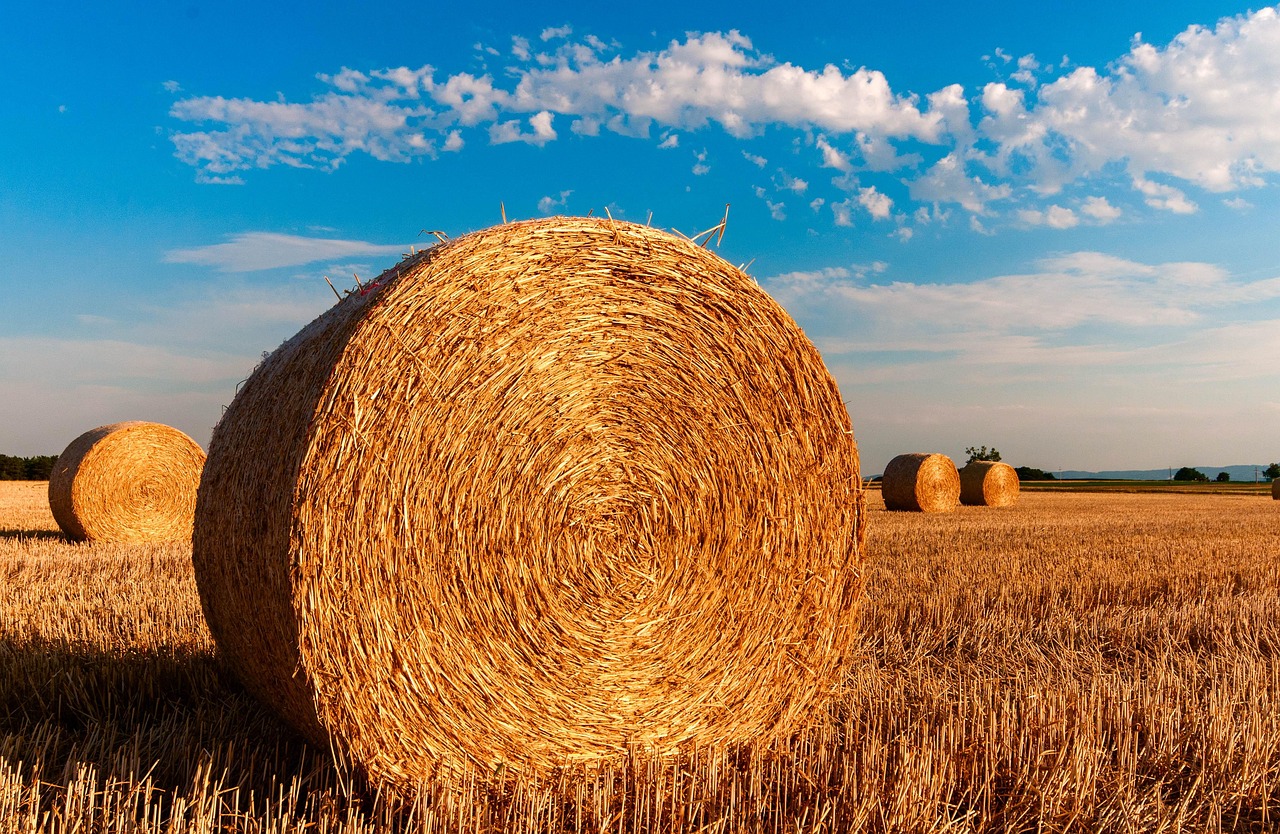
He is not a hard man, but he is a businessman. He backgrounds four or five hundred calves a year on a lot nine miles toward Anselmo, and a hundred bales at eight dollars is a buy a man like that does not see twice in his life, the kind of deal that, once struck, a reasonable person does not expect to see unwound.
He was at the scale house when I pulled in. He saw the pie on the seat and his face changed before I had the door open, some instinct in him already reading the shape of what was coming.
“That’s not a thank-you pie,” he said. “Is it.”
“No, Gene. It isn’t.”
He heard me out standing up, with his arms crossed and his eyes on the ground, the scale house ticking and settling around us in the growing heat of the morning. When I finished he was quiet so long I started to add something, and he lifted one hand to stop me.
“I was forty feet from you Saturday,” he said. “At the cemetery. I had Tom’s hay on my truck by Monday noon.”
“He told you I wanted it gone.”
“He told me, and I wanted to believe it, because it was the best deal on hay I ever made.” He rubbed his face with both hands, a long slow gesture, like he was trying to wipe something off that wouldn’t come. “Tom pulled a calf for me in a blizzard in ninety-seven. Two in the morning. My dad was in the hospital in Kearney and I was twenty-three and didn’t know what I was doing. Tom drove eleven miles on roads that weren’t open. He never mentioned it again. Not once in his life.”
I had not known that. Twenty-seven years married, and I had not known it, and standing there in that gravel lot with the morning sun climbing, I understood there were probably a hundred such stories scattered across this county, small quiet kindnesses Tom had performed and then simply folded away, never bringing them up again, never once trading on them, and that I would likely never hear most of them, not unless some other grief, some other crisis, happened to shake one loose the way this one just had.
“I’ve fed four of them,” Gene said. “Four bales, to the pen by the road. I can’t give you those back.”
“Then it’s ninety-six, and I’m grateful for ninety-six.”
“It’ll be a hundred.” He said it flat, like a scale ticket, a fact rather than an offer up for discussion. “I’ve got hay of my own.”
“Gene, I didn’t come to ask you for it. You’re out eight hundred dollars.”
“I know what I’m out. That’s between me and Dwayne, and I’ll see to it. It is not between me and you.” He was already walking toward the shop, hollering for his hired man before I could get another word in. Over his shoulder he said, “Thirty-four to a load. Three loads. We’ll start tonight.”

Adrian Hawthorne is a celebrated author and dedicated archivist who finds inspiration in the hidden stories of the past. Educated at Oxford, he now works at the National Archives, where preserving history fuels his evocative writing. Balancing archival precision with creative storytelling, Adrian founded the Hawthorne Institute of Literary Arts to mentor emerging writers and honor the timeless art of narrative.