I need to tell you about Engstrom Hardware, because if you didn’t grow up in Fallon, Minnesota, you won’t understand what it was.
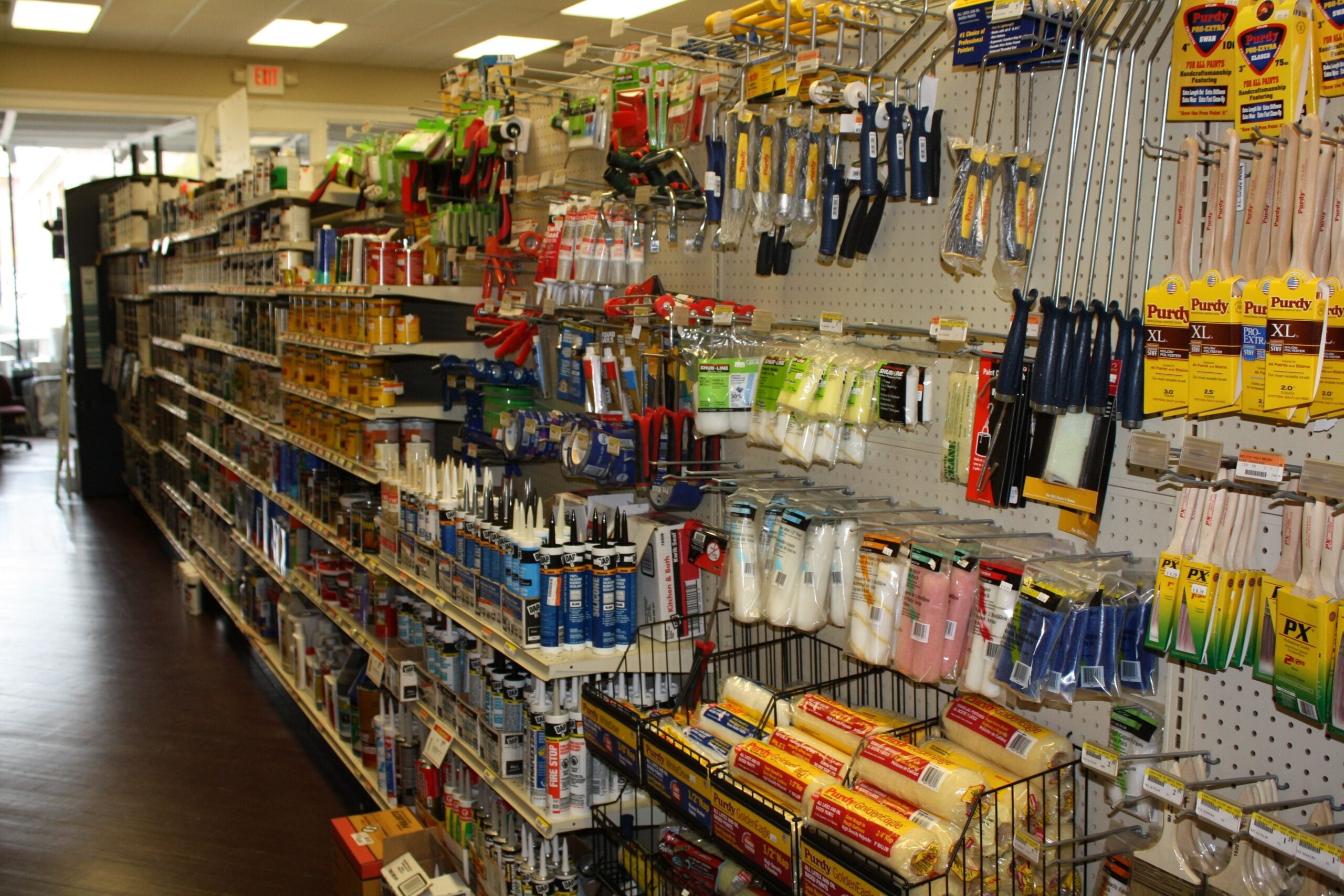
It sat on the corner of Main and Second for fifty-two years. Red brick. Two big front windows with the name painted in gold letters. A bell over the door that rang when you came in. Wooden floors that creaked in the same places every time. Bins of nails sold by the pound. A key-cutting machine in the back that was older than I am.
Arvid Engstrom opened it in 1974. He’d been a carpenter, and he got tired of driving forty miles to Brainerd every time he needed a box of screws. So he opened a store.
My father walked in looking for a job in May of 1980. He was thirty-one. He’d just been laid off from the paper mill in Grand Rapids. He had a wife and a baby on the way, which was me, and eleven dollars in his checking account.
Mr. Engstrom hired him on a handshake.
“Can you count?” he asked.
“Yes sir.”
“Can you lift?”
“Yes sir.”
“Do you know the difference between a carriage bolt and a lag bolt?”
“Yes sir.”
“Then you’re hired. Come back Monday.”
Dad worked there forty-five and a half years.
He knew where every single thing in that store was. Not approximately. Exactly. If you walked in and said you needed a quarter-inch brass compression fitting, he’d say aisle four, third bin from the end, bottom shelf, before you’d finished the sentence.
He knew every customer by name. He knew what they were working on. If Gary Thorson came in for a box of drywall screws, Dad would ask how the basement was coming. If Linda Pearson came in for furnace filters, he’d ask whether her husband’s back was any better. If a kid came in to buy his first pocketknife, Dad would show him how to close it without cutting his thumb, and then he’d tell him to come back if he ever needed it sharpened, and it’d be free.
When I was a little girl, I’d go in on Saturday mornings and sit on the stool behind the counter while Dad worked. Mr. Engstrom would give me a sucker from the jar by the register. I thought it was the best place in the world.
When I got older, I stopped going in.
I went to college. I got a job in Duluth doing marketing for a hospital system. When people asked what my dad did, I’d say, “He works in retail,” which is the kind of thing you say when you want to sound like you’re not saying anything.
I’m not proud of that.
Mr. Engstrom died last spring. He was ninety-three. He’d stopped coming into the store about ten years before, but he still owned it. His kids lived in Arizona and Colorado. Neither of them wanted to run a hardware store in a town of three thousand people.
So in September they sold it to Northline Supply Group. A company out of Minneapolis that owns about forty stores across Minnesota and the Dakotas. They kept the name on the window. They kept the bell over the door.
They brought in new shelving. New signs. New price tags with barcodes. A computer system. A manager named Brandon Kowal, who was twenty-eight and had a degree in supply chain management.
They kept Dad on. For six months.
Then that text came on a Tuesday night.

Specialty: Quiet Comebacks & Personal Justice
David Reynolds focuses on stories where underestimated individuals regain control of their lives. His writing centers on measured decisions rather than dramatic outbursts — emphasizing preparation, patience, and the long game. His characters don’t shout; they act.