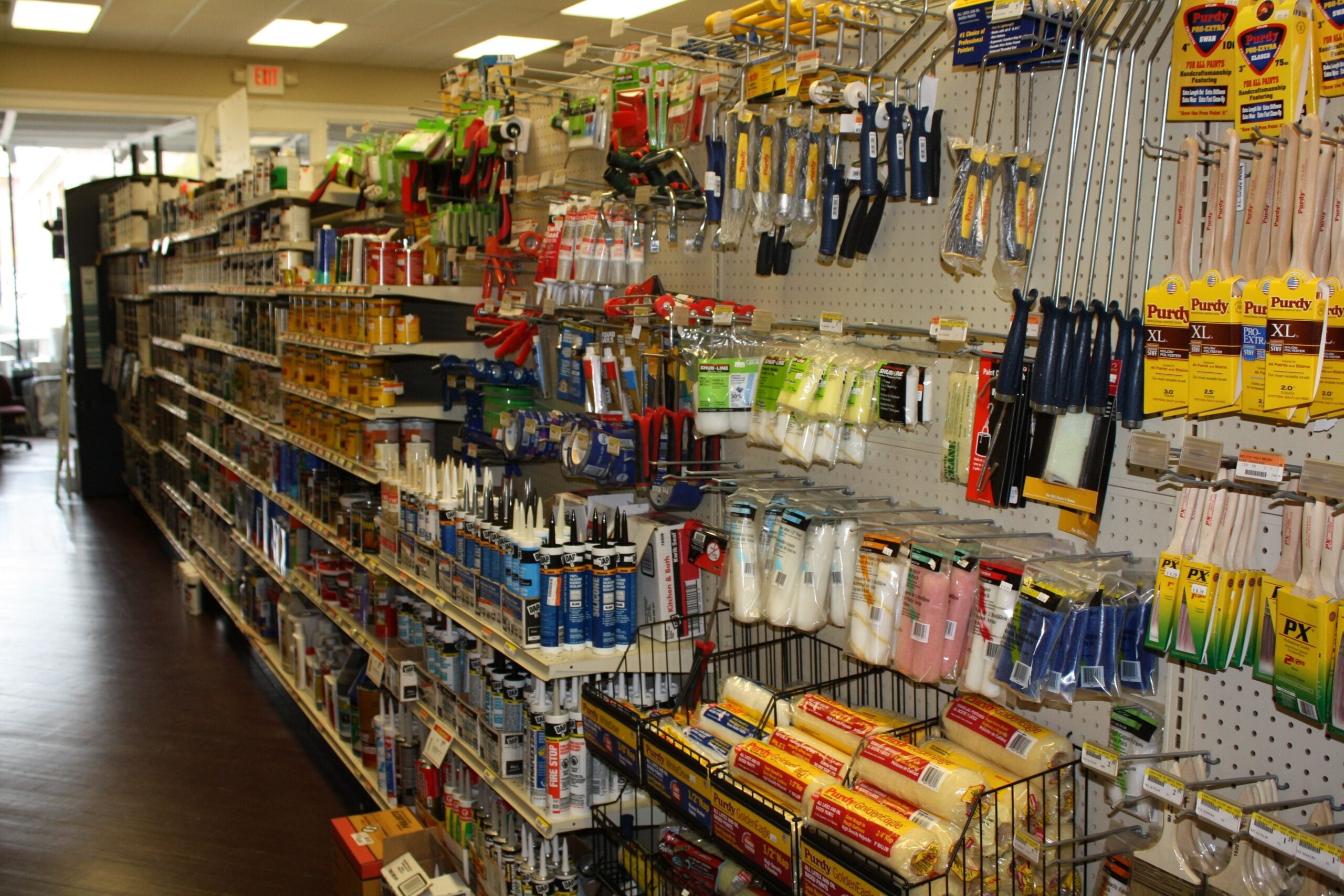
By nine-thirty, the store was so full people were standing out on the sidewalk.
Brandon hadn’t opened a single register. Nobody had bought anything. The store phone was ringing on the wall behind the counter and nobody answered it.
Dad stood by the counter with his hands in his apron pockets, looking at the floor. I knew that look. It was the same look he got at church when the pastor mentioned his name in the prayer list after his knee surgery. Like he wanted to be anywhere else on earth.
Then old Tom Rusk came in.
Tom is eighty-eight. He walks with two canes now. His grandson brought him in through the back door because the front was too crowded, and the crowd parted for him like he was a bishop.
He came up to the counter.
“Ron.”
“Tom. You didn’t have to come in.”
“I came in for one reason.” Tom leaned on the counter with both canes hooked over his arm. “I owe this store three hundred and eighty dollars. Fence posts. Spring of ninety-three. Cattle got out on the highway and I had to rebuild the whole south line.”
He reached into his coat.
“Fall didn’t come that year. Hail took the corn in August. I never paid it. I came in here every month for thirty years and bought what I needed and paid cash, and Arvid never once mentioned it. And I never once had the nerve to bring it up.”
He took out an envelope and put it on the counter.
“It’s four hundred. I figure that’s close enough with interest. Arvid’s gone, so I’m giving it to you, Ron.”
Dad looked at the envelope.
“Tom, I can’t take that. It wasn’t mine.”
“It wasn’t Arvid’s either. He gave it to me.” Tom pushed the envelope across. “I’m giving it back to the store. Whoever’s behind the counter. That’s how it works, isn’t it?”
Dad didn’t move.
Then Brandon reached over and put his hand on the envelope.
“Mr. Rusk,” he said. “I’m the manager now. I’m Frank Kowal’s grandson.”
Tom looked at him for a long moment.
“Frank Kowal,” he said. “From south of town. Lost his legs.”
“Yes sir.”
“I helped carry him up that ramp the first day he came home.”
Brandon’s face crumpled.
“I didn’t know that.”
“Nobody tells you young people anything,” Tom said. “That’s the trouble.”
He tapped the envelope.
“Then I guess this is yours, son. What are you going to do with it?”
Brandon looked at the envelope. Then at the shoebox. Then at my father.
Then at the whole room full of people looking at him.
“I don’t know,” he said.
Dad finally looked up.
“Yes you do,” he said quietly.

Specialty: Quiet Comebacks & Personal Justice
David Reynolds focuses on stories where underestimated individuals regain control of their lives. His writing centers on measured decisions rather than dramatic outbursts — emphasizing preparation, patience, and the long game. His characters don’t shout; they act.