“Mrs. Hoyt, I want to be honest with you. We’re moving in a younger direction.”
Pastor Jordan Whitfield said it from behind his desk with his hands folded on a leather planner. He was thirty-one years old. He had been our pastor for five months. There was an acoustic guitar leaning against the bookshelf behind him, and a framed poster on the wall that said Every Season Has a Song.
My mother sat across from him in the wooden chair with her purse on her knees. She was eighty-one. She had on her gray cardigan and the pearl earrings my father gave her for their twentieth anniversary. I was sitting beside her because she had asked me to drive her, and because she’d said on the phone, “He wants to see me about something, and I’d like a witness.”
“A younger direction,” Mom said.
“The organ is beautiful. I want you to know I think that. But it feels dated to the families we’re trying to reach. Young parents. Kids. They want something that feels alive. We’re putting together a praise band. Drums, guitar, keyboard. I think it’s going to bring a lot of energy into the building.”
Mom nodded slowly.
“So I’d like this Sunday to be your last. We’ll recognize you, of course. Say a few words. Maybe a plaque. Fifty-some years is a long time.”
“Fifty-two,” Mom said.
“Fifty-two. That’s incredible. And I want people to celebrate it.”
He smiled at her. It was a warm smile. I could tell he believed he was being kind.
I waited for my mother to say something. Anything. I had my own sentence ready, and it was not a polite one. I opened my mouth.
Mom put her hand on my knee without looking at me.
“All right,” she said.
That was all. All right.
Pastor Whitfield looked relieved. He stood up and came around the desk and shook her hand with both of his. He told her she was a blessing. He told her the church would never forget her. He walked us all the way to the door.
In the parking lot, I unlocked the car and helped her in and then I stood there with my hand on the roof, breathing.
“Mom.”
“I know, Karen.”
“Fifty-two years. Every Sunday. You never took a dime.”
“I know how long it’s been.”
“He has no idea who you are.”
“No,” she said. “He doesn’t. He’s young. He’ll learn.”
“And you’re just going to let him?”
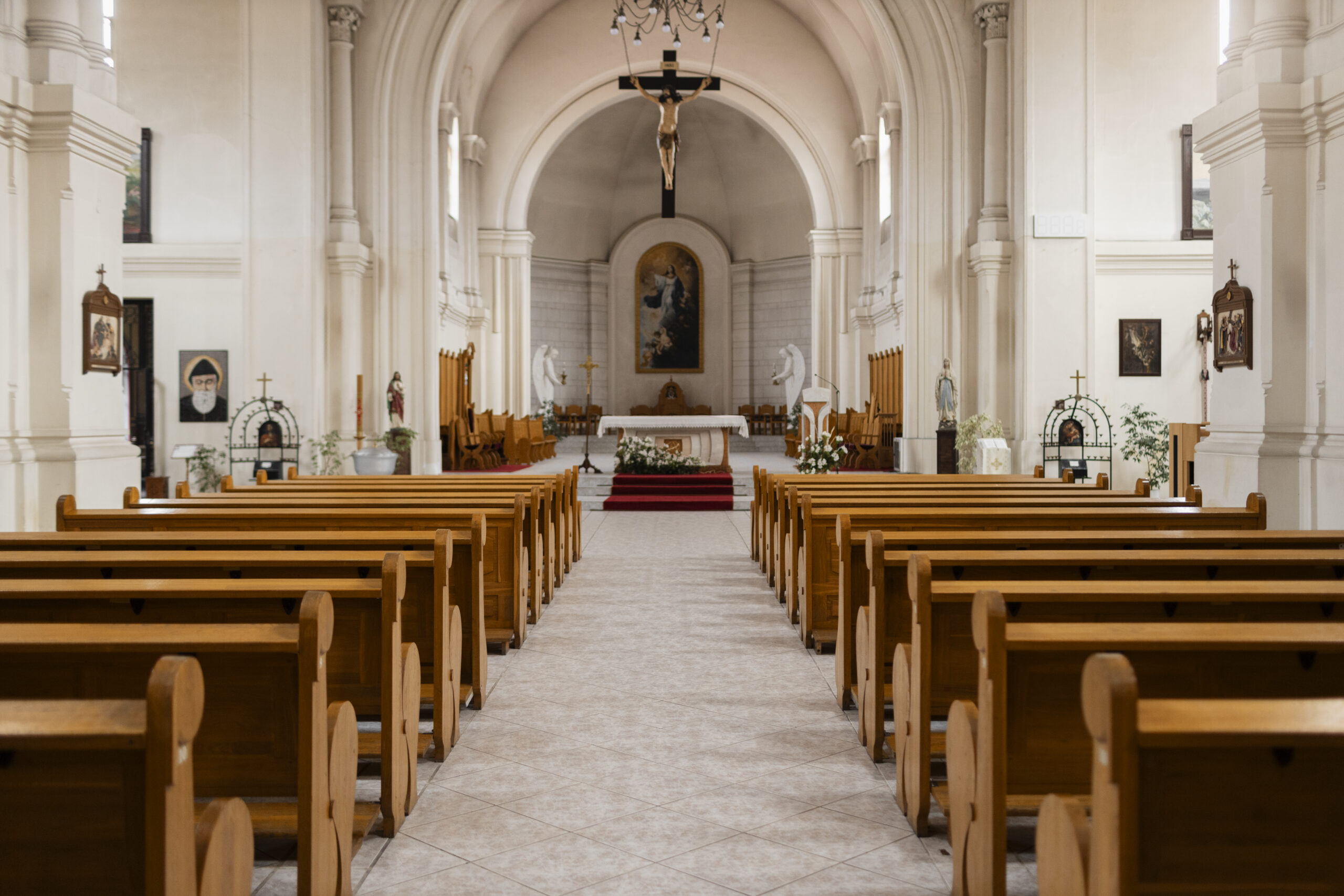
She was looking straight ahead through the windshield at the church. The red brick. The white steeple. The round stained glass window over the front doors, the one with the lamb in it, that the Ladies’ Aid paid for in 1911.
“I’m going to play on Sunday,” she said. “Like he asked.”
“And then?”
“And then I expect I’ll come home and make a roast.”
I got in the car. I didn’t start it.
“Mom, what are you going to play?”
She smiled a little. Not at me. At the church.
“Something everybody knows,” she said.

Sophia Rivers is an experienced News Content Editor with a sharp eye for detail and a passion for delivering accurate and engaging news stories. At TheArchivists, she specializes in curating, editing, and presenting news content that informs and resonates with a global audience.
Sophia holds a degree in Journalism from the University of Toronto, where she developed her skills in news reporting, media ethics, and digital journalism. Her expertise lies in identifying key stories, crafting compelling narratives, and ensuring journalistic integrity in every piece she edits.
Known for her precision and dedication to the truth, Sophia thrives in the fast-paced world of news editing. At TheArchivists, she focuses on producing high-quality news content that keeps readers informed while maintaining a balanced and insightful perspective.
With a commitment to delivering impactful journalism, Sophia is passionate about bringing clarity to complex issues and amplifying voices that matter. Her work reflects her belief in the power of news to shape conversations and inspire change.