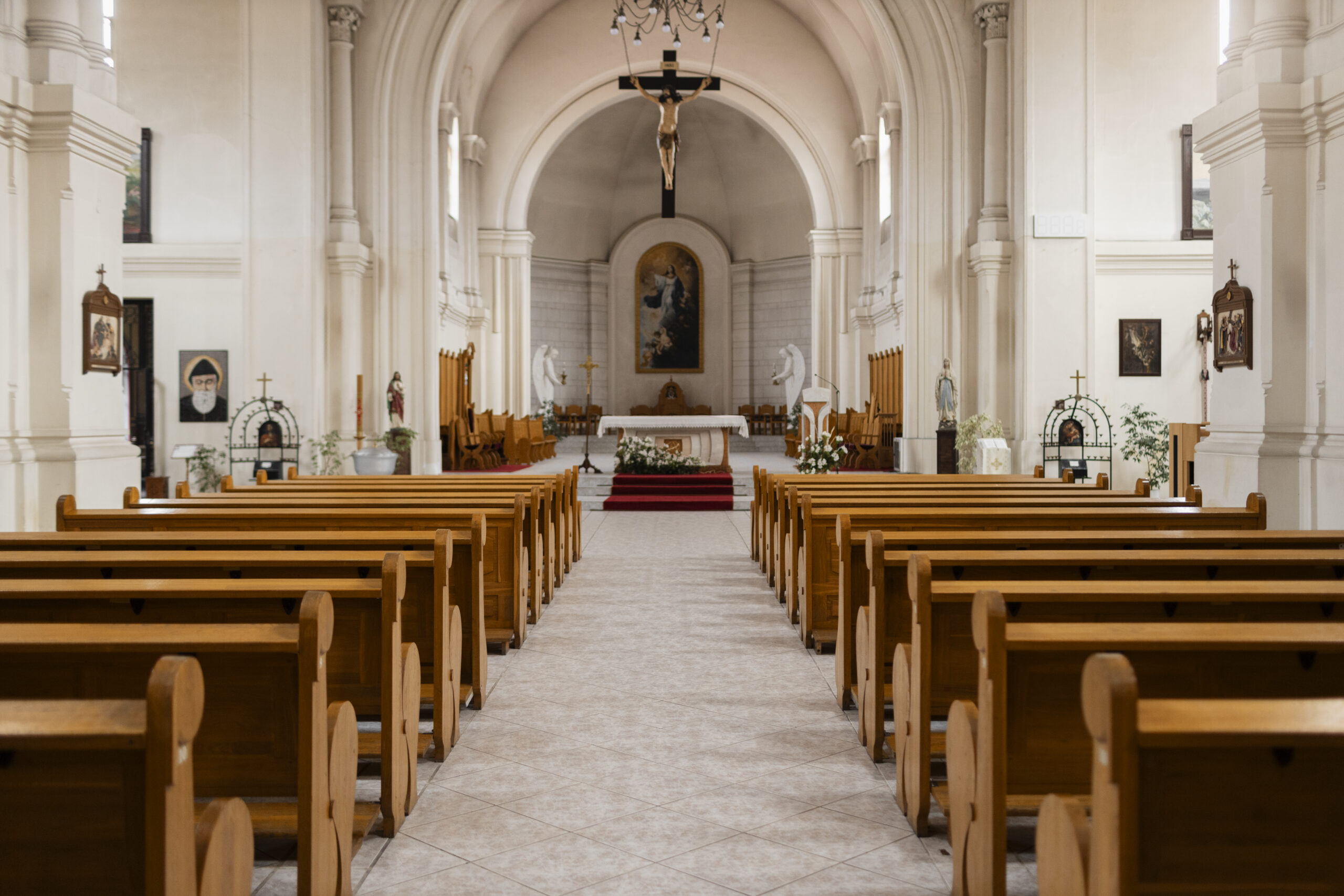
I should tell you who my mother is, because Pastor Whitfield didn’t know, and by the time Sunday was over, he was going to wish somebody had told him.
Her name is Ruth Hoyt. She was born on a farm four miles east of Millbrook, Iowa, in 1943, and she has lived within ten miles of that farm her entire life. She started piano lessons at six from a woman named Mrs. Adeline Brandt, who also played the organ at First Methodist. When Ruth was twelve, Mrs. Brandt let her sit on the organ bench beside her during the offertory and turn the pages. When Ruth was sixteen, Mrs. Brandt let her play the postlude.
In the spring of 1972, Mrs. Brandt had a stroke in the middle of the second hymn. My mother was twenty-nine. She was in the fourth pew with my father and me. I was two.
She handed me to my father, walked up the aisle, helped two of the ushers lay Mrs. Brandt down on the carpet, and then sat down on the bench and finished the hymn. Because the congregation was standing there in the middle of a verse, and somebody had to.
She played the next Sunday too. And the next.
Nobody ever officially asked her. Nobody ever officially hired her. She just kept showing up at ten-fifteen every Sunday morning to warm up, and the church just kept letting her.
They offered to pay her once, in 1980. She said no. They offered again in 1995. She said no again.
“It’s my tithe,” she told the finance committee. “I don’t have much money. I have two hands.”
Fifty-two years.
She played through three pastors’ entire careers. She played through my father’s heart attack in 1998, when she drove straight from the hospital to the church on Sunday morning because the Pedersons’ granddaughter was being baptized and she’d promised. She played the Sunday after my father’s funeral in 2014, and when people told her she should take a week off, she said, “Where would I go? This is where he is.”
She played every Christmas Eve. Every Easter sunrise. Every Good Friday in the dark.
And she played every wedding and every funeral that came through those doors.
That’s the part people don’t think about.
A town of four thousand people has a lot of funerals over fifty-two years. My mother never turned one down. Not one. She played for people she’d known her whole life and people she’d never met. She played for the old farmers and the young soldiers and the babies. She played for the Methodists and for the families who hadn’t been inside a church in twenty years but wanted their mother buried from one.
She never charged. She’d never let the families pay. If somebody pressed an envelope into her hand at the luncheon after, she’d fold it and drop it in the benevolence box on her way out.
And she kept a record.
I didn’t know about the record until that Wednesday night.

Sophia Rivers is an experienced News Content Editor with a sharp eye for detail and a passion for delivering accurate and engaging news stories. At TheArchivists, she specializes in curating, editing, and presenting news content that informs and resonates with a global audience.
Sophia holds a degree in Journalism from the University of Toronto, where she developed her skills in news reporting, media ethics, and digital journalism. Her expertise lies in identifying key stories, crafting compelling narratives, and ensuring journalistic integrity in every piece she edits.
Known for her precision and dedication to the truth, Sophia thrives in the fast-paced world of news editing. At TheArchivists, she focuses on producing high-quality news content that keeps readers informed while maintaining a balanced and insightful perspective.
With a commitment to delivering impactful journalism, Sophia is passionate about bringing clarity to complex issues and amplifying voices that matter. Her work reflects her belief in the power of news to shape conversations and inspire change.