The room tilted under me.
I grabbed the back of a kitchen chair to keep from falling.
“What?”
Sadie wiped her face with the dish towel.
“I found out I was pregnant three weeks after the accident.”
I stared at her.
Every sound in the house suddenly seemed very far away. The refrigerator humming. Jasper’s collar jingling. A little boy opening a box of crackers.
I could hear all of it. But I couldn’t understand what the girl sitting five feet away from me had just said.
“You knew,” I said. “For three years.”
“I didn’t know before the accident. I swear to you, Diane. I didn’t know.”
“But you knew after.”
“Yes.”
“And you never told me.”
Her face crumpled.
“I was scared.”
I let go of the chair. I took a step back.
“Scared of what?”
“Everything.” Her voice cracked. “My parents were furious. Caleb and I weren’t even together anymore. I was eighteen years old and pregnant, and he was dead, and I didn’t know what to do.”
She pressed both her hands against her face.
“I didn’t know what to do.”
I wanted to be angry.
Part of me was. Part of me was so angry I could barely see straight.
Three years.
Three birthdays.
Three Christmases.
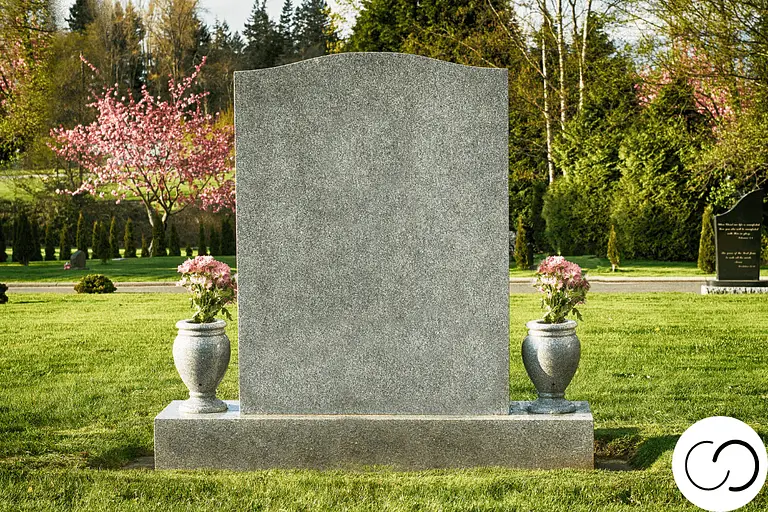
Three years of sitting beside my son’s grave every Sunday, talking to a stone, wishing for just one more piece of him. While his child lived twenty minutes across town.
“Why didn’t you come to me?” I said.
Sadie looked up.
“Because I thought you’d hate me.”
“Why on earth would I hate you?”
“Because Caleb and I ended badly. I said things to him I can’t take back. The last real conversation we had was a fight.”
I shook my head.
“That had nothing to do with me.”
“It felt like it did. Back then. It felt like everything was my fault.”
She looked toward the kitchen.
“And my parents said not to contact you. They said you’d been through enough. They said a baby would just reopen the wound. They said it would be cruel.”
I let out a sound that wasn’t quite a laugh.
“Cruel?”
“I know.”
“No, Sadie. You don’t know.”
She flinched like I’d hit her.
I hated that I’d hurt her. But I couldn’t stop.
“Do you understand how many Sundays I’ve sat at that grave wishing I had one more piece of my son? Just one? Anything?”
Tears ran down her cheeks.
“Yes.”
“While his son was here. The whole time.”
“I almost called you a hundred times,” she whispered. “I had your number in my phone. I’d type it in and stare at it and then hang up before it rang.”
“Then why didn’t you let it ring?”
She looked down at her hands.
“Because every month I waited made it harder. And then it was a year. And then it was two. And I thought, how do I call her now? What do I even say? Hi, it’s Sadie, you have a grandson, he’s two, sorry?”
That answer hurt.
Because I understood it.
Grief does that. One impossible day becomes a week. Then a month. Then years. And the longer you wait, the bigger the thing you haven’t said gets, until you can’t lift it at all.
I finally sat down. Across from her. In the kitchen chair.
My anger hadn’t gone anywhere.
But something else had come into the room with it.
Wonder.

Adrian Hawthorne is a celebrated author and dedicated archivist who finds inspiration in the hidden stories of the past. Educated at Oxford, he now works at the National Archives, where preserving history fuels his evocative writing. Balancing archival precision with creative storytelling, Adrian founded the Hawthorne Institute of Literary Arts to mentor emerging writers and honor the timeless art of narrative.