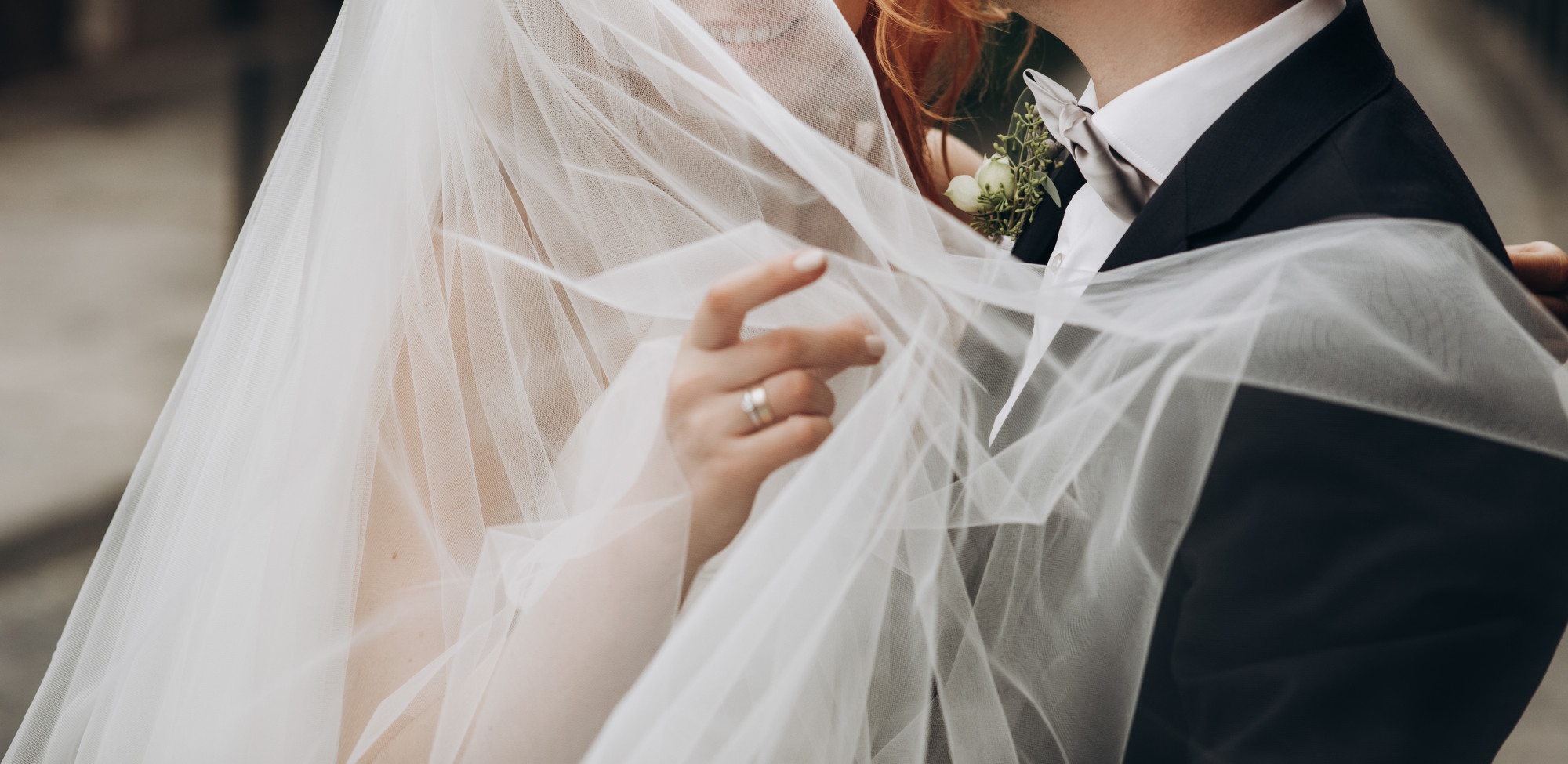
“When did you know?” I asked quietly. “For sure?”
“The night you gave me the handkerchief, I was almost sure. I went home and dumped all the cards out on my bed and looked at every single violet. Then I compared them to the handkerchief. They were identical. Every one. Even the little curl.” She smiled through her tears. “Owen woke up at two in the morning and found me sitting on the floor surrounded by birthday cards, crying.”
“Then you called Denise.”
“Then I called Aunt Denise. And then I needed to be completely sure. So I waited.”
“For what?”
“For the rehearsal dinner. Last night.”
She looked down at her hands.
“I sat next to Crystal at the rehearsal dinner. And I asked her, very casually, ‘Mom, what was your favorite flower to draw on all those cards you sent me?’” Hannah’s voice went flat. “And she smiled and said, ‘Roses, honey. I always loved drawing roses.’”
I didn’t say anything. There was nothing to say.
“I told Dad last night after the rehearsal,” Hannah said. “He told me everything. About the mailbox when I was seven. About the kitchen table. About you saying the cards were a gift, not a weapon.” She wiped her eyes. “He said you wouldn’t let him tell me. Even when she was telling everybody you were the villain.”
“I didn’t want you to lose her twice,” I said.
Hannah stared at me.
“What?”
“You were seven years old, standing at that mailbox,” I said. “You’d already lost her once. I couldn’t let you lose her again. Not when you finally had her back. Not right before your wedding.” I took her hand. “Those cards were never about me, Hannah. They were about you knowing that you were worth remembering. That’s all. Whoever wrote them.”
Hannah put her head on my shoulder.
“I was going to tell you this morning,” she said. “Before the ceremony. I was going to come find you and give you the card with ‘Mom’ written on it. But then the photographer came, and my hair fell down, and Kelsey spilled coffee on her dress, and everything went crazy. And then I was walking down the aisle, and I saw her sitting in your seat, and I looked for you, and I couldn’t find you…”
Her voice broke.
“And then I saw you in the very last row. By the door. Where the strangers sit.” She shook her head. “And you were just sitting there. With your hands folded. Like it was fine. Like you’d sit wherever anybody put you, as long as I was happy.”
“It was your wedding day,” I said.
“It was our wedding day,” Hannah said. “You were supposed to be up front. You were always supposed to be up front.”
We sat there together on that white velvet couch for a long time.
Finally, there was a knock on the door. It was Kelsey.
“Hannah? They need you for the cake.”
Hannah stood up and fixed her dress. Then she turned back to me.
“Will you come cut the cake with us?”
“Go,” I said. “I’ll be right there. I need a minute.”
She hugged me one more time and went out.
I sat there alone for a few minutes, just breathing.
Then I got up, and I didn’t go to the cake. I went out the side door of the barn. The same door Crystal had walked out of.
I wasn’t sure why. I just knew I had to.

Sophia Rivers is an experienced News Content Editor with a sharp eye for detail and a passion for delivering accurate and engaging news stories. At TheArchivists, she specializes in curating, editing, and presenting news content that informs and resonates with a global audience.
Sophia holds a degree in Journalism from the University of Toronto, where she developed her skills in news reporting, media ethics, and digital journalism. Her expertise lies in identifying key stories, crafting compelling narratives, and ensuring journalistic integrity in every piece she edits.
Known for her precision and dedication to the truth, Sophia thrives in the fast-paced world of news editing. At TheArchivists, she focuses on producing high-quality news content that keeps readers informed while maintaining a balanced and insightful perspective.
With a commitment to delivering impactful journalism, Sophia is passionate about bringing clarity to complex issues and amplifying voices that matter. Her work reflects her belief in the power of news to shape conversations and inspire change.