“Mom. Let me do that.”
Kevin went over. He took the storm windows from her and stacked them against the wall. Then the paint cans. Then the box of hinges. Then the sawhorses.
Then there was just the tarp.
Blue. Faded almost white in places. Covered in dust and mouse droppings and a few dead flies.
It was about seven feet long and two and a half feet wide.
Kevin stopped.
I saw his face change. I saw him look at the shape under that tarp. The size of it.
“Mom,” he said. “What is this?”
Mom didn’t answer.
She reached down and took hold of the corner of the tarp. Her hands were shaking now. For the first time since Thursday.
She pulled it off.
The dust went up into the light from the fluorescent tubes and hung there.
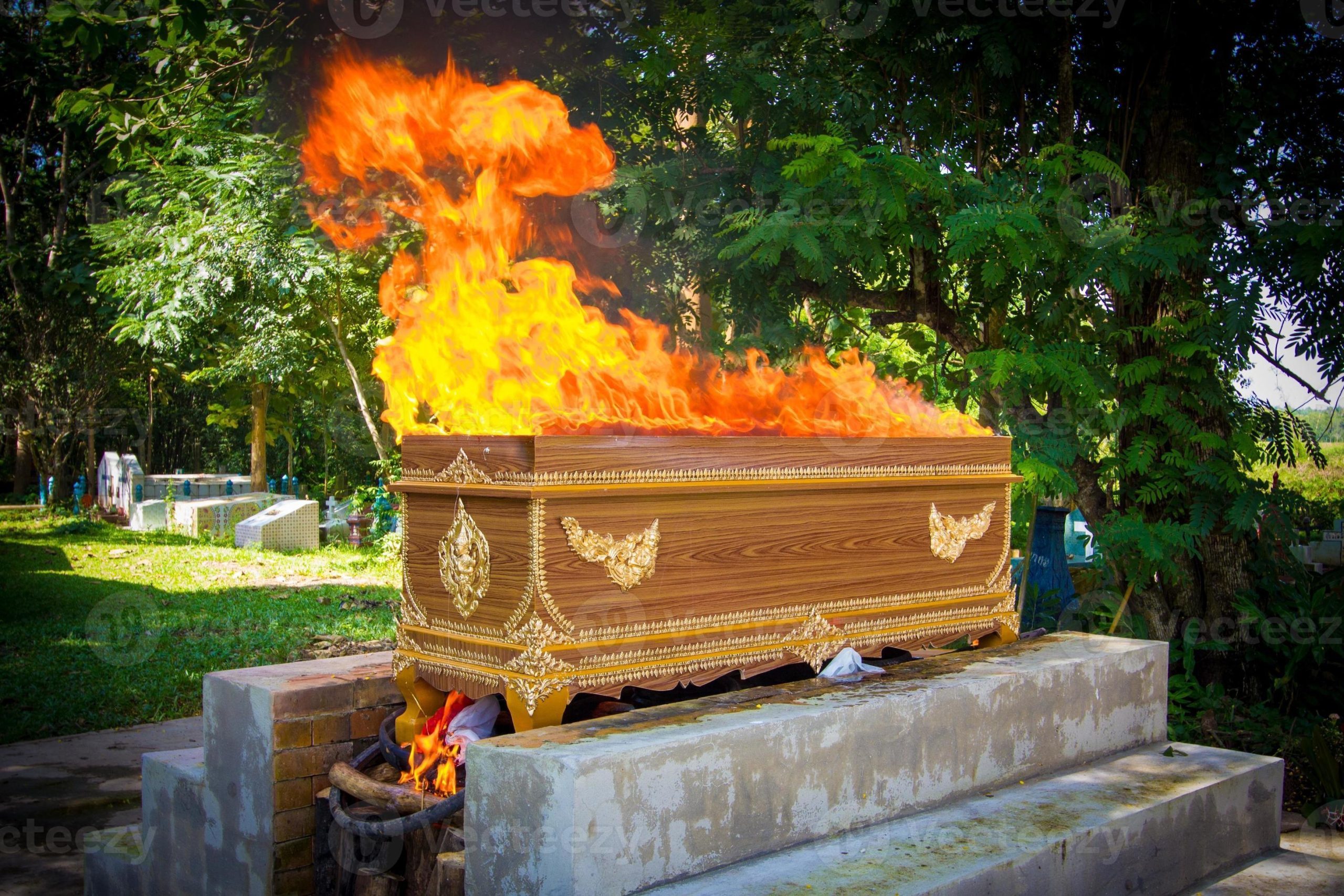
Underneath was a casket.
It was pine. Plain. No hardware except six rope handles. No varnish. Just oiled wood, gone golden with age. The corners were joined with dovetails, the hand-cut kind, the kind you can’t get from a factory. The lid sat flat and tight with no gap anywhere.
It was the most beautiful thing I have ever seen.
I couldn’t breathe.
Kevin stood there with his mouth open.
“When did he—”
“1988,” Mom said. “The winter he got laid off.”
“Laid off? Dad never got laid off.”
“He did,” Mom said. “In November of 1988. Hal Larson’s construction company went under. Dad was working for Hal that year. Hal owed him four months of pay. He never got a dime of it.”
Kevin was staring at her.
“You were six,” Mom said. “Julie was nine. We had a hundred and forty dollars in the bank. The house payment was two hundred and twelve. Your dad came home that night and sat at the kitchen table with his head in his hands. I’d never seen him like that.”
She put her hand on the lid of the casket.
“He didn’t sleep for three nights. On the fourth night, he came out here. He said he couldn’t sit still. He said he was going to build something. And he built this.”
“Why?” I said. “Why a casket?”
Mom was quiet for a long time.
“Because his father had died the year before,” she said. “Your grandpa Arne. And we couldn’t afford a casket then either. Hank’s brothers went in together and bought the cheapest one at Nygaard’s. It was particle board, covered in that fake wood paper. When they carried it out of the church, one of the handles pulled right off. Your grandpa almost slid out onto the steps.”
I put my hand over my mouth.
“Hank never got over that,” Mom said. “Never. He said he’d built three hundred houses for other people’s families and he couldn’t build one decent box for his own father.”
She ran her fingers along one of the dovetail joints.
“So that winter, when we had nothing, he came out here and he built this. Every night for two months. From white pine he’d been saving. Out of wood he already owned. He said, Marlys, no matter what happens to us, nobody’s ever going to carry me out of a church in cardboard.”

Specialty: Quiet Comebacks & Personal Justice
David Reynolds focuses on stories where underestimated individuals regain control of their lives. His writing centers on measured decisions rather than dramatic outbursts — emphasizing preparation, patience, and the long game. His characters don’t shout; they act.