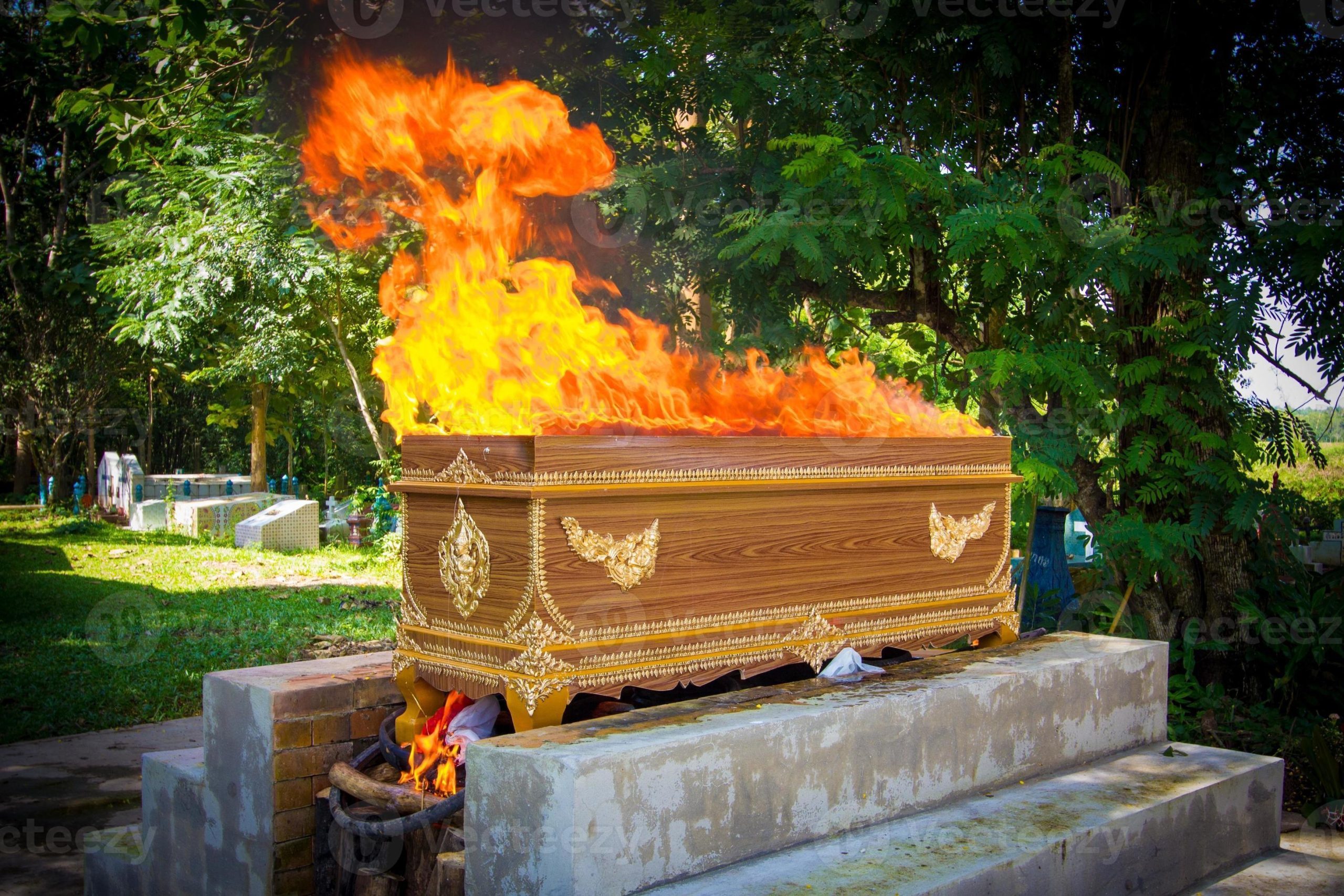
Kevin stood there staring at it.
He put his own hand over it. His big forty-four-year-old hand, rough from working on cars. It covered the little carved hand completely.
“I don’t remember this,” he said. His voice was cracking. “Mom, I don’t remember this.”
“You were six,” Mom said. “You wouldn’t.”
“What did I help with?”
Mom smiled. The first smile I’d seen on her face since Thursday.
“You sanded,” she said. “Every night after supper, you’d come out here in your pajamas and your snow boots and your dad would give you a piece of sandpaper wrapped around a little block of wood. And you’d sand the inside of the boards. Where nobody would ever see.”
“I did that?”
“Every night. For two months. You loved it. You’d come back in the house covered in sawdust and I’d have to give you a bath. You’d fall asleep in the tub.”
Kevin made a sound. Not a word. Just a sound.
“Your dad never told you what it was,” Mom said. “He said it was a toy chest. A big one. You believed him. You were six.”
“And when it was done, he put your hand on the lid and traced around it with his pencil. And then he carved it. He sat out here till two in the morning carving it. He said, Marlys, the boy helped. He should get credit.”
Kevin couldn’t stand up anymore. He sat back down on the bucket and put his hand over his eyes and his shoulders started shaking.
I’d never seen my brother cry. Not when his marriage ended. Not at Grandma’s funeral. Not when Dad died on Thursday.
He cried now. On a five-gallon bucket in our father’s barn, next to the casket he’d sanded when he was six years old and didn’t remember.
Mom went over and stood next to him. She put her hand on top of his head, the way she used to when he was little.
She didn’t say anything for a long time.
Then she said, quietly, “He won’t know the difference. That’s what you said in Gary’s office.”
Kevin nodded without looking up.
“You were right,” Mom said. “He won’t.”
She stroked his hair.
“But you will, honey. You’ll know the difference. For the rest of your life.”
Kevin put his arms around her waist and held on.
I stood there in the cold barn under the buzzing lights and watched my brother hold onto our mother. And I looked at that little carved hand on the lid.
And then I noticed something I hadn’t seen before.
There was a second carving. On the other end of the lid. The foot end. It was still covered in dust.
I went over and brushed it off.
It was another hand. A little bigger. A girl’s.
JULIE HELPED. 1988.
I didn’t remember either.

Specialty: Quiet Comebacks & Personal Justice
David Reynolds focuses on stories where underestimated individuals regain control of their lives. His writing centers on measured decisions rather than dramatic outbursts — emphasizing preparation, patience, and the long game. His characters don’t shout; they act.