The funeral was Wednesday at Our Savior’s Lutheran.
Under the bell tower Dad built in 1979.
Kevin had made phone calls for three days. He’d gone through the whole notebook. Every name. Most of the people were still alive. Some of the houses had changed hands. When they had, Kevin called the new owners and told them who’d built their porch.
He didn’t ask anybody to come. He just told them.
I don’t know how many calls he made. I know he didn’t sleep much. I know that on Monday night I found him sitting at the kitchen table at one in the morning with the notebook open and the phone in his hand and tears running down his face, and when I asked him if he was okay, he said, “Julie, I just talked to a woman whose husband proposed to her on a porch Dad built. In 1977. She said they sat on it every night for forty-four years until he died.”
The church holds about three hundred people.
By the time the service started, there were over five hundred. They stood in the aisles. They stood along the walls. They stood in the narthex and on the front steps and out on the sidewalk in the cold.
Gary Nygaard set up speakers outside so the people on the sidewalk could hear.
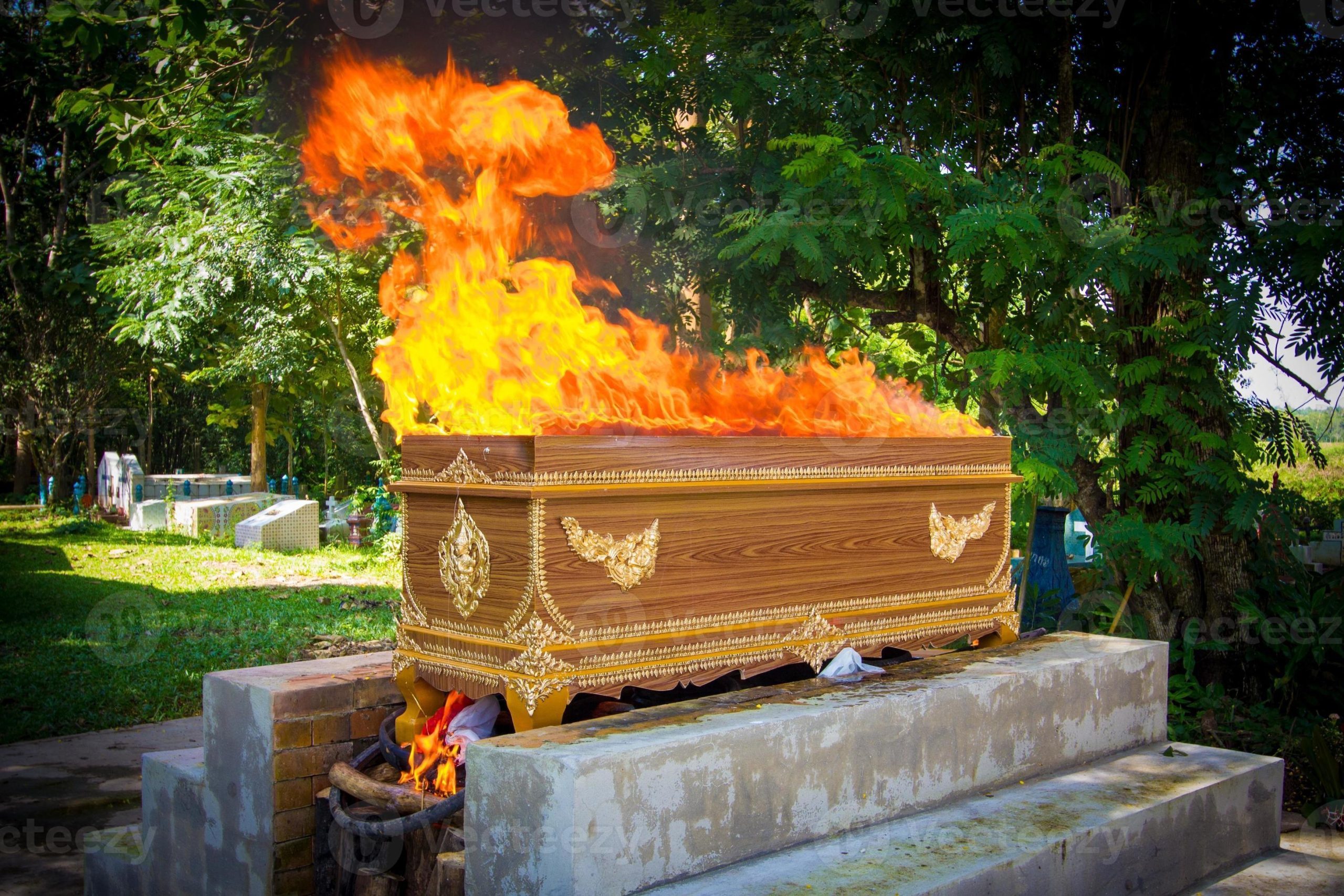
The casket sat at the front of the church on a plain wooden stand. Gary had polished it with linseed oil. It glowed under the lights like honey. The rope handles were still there. The little carved hands at either end of the lid were facing up, where everybody could see them.
Kevin had asked Gary to make sure of that.
Pastor Lindgren did the service. He talked about Dad and the bell tower. He talked about Jesus being a carpenter, which every pastor says at every carpenter’s funeral, and Dad would have rolled his eyes at it. Then he did something unusual.
He asked if anybody in the church was sitting on a porch my father built.
Not literally. But he asked them to stand up. If Hank Sorensen had ever built a porch for them, or for their parents, or for the house they lived in now.
I turned around in the front pew.
They stood up.
All over the church. In every pew. Along the walls. In the narthex. You could hear the people out on the sidewalk shuffling and murmuring through the open doors.
More than half the church was standing.
Old men in seed caps. Young families with babies. A woman in her nineties who had to be lifted up by her grandsons. The Christiansons, whose porch had made him miss Kevin’s graduation party in 2000. Their baby was a grown man now. He stood next to his mother with his own baby on his hip.
Kevin was sitting next to me.
He looked at all of them.
Then he stood up too.
He didn’t have a porch. He lived in an apartment in Alexandria since the divorce.
But he stood up anyway. And he put his hand on the end of the casket, right over the little carved hand.
And he kept it there.

Specialty: Quiet Comebacks & Personal Justice
David Reynolds focuses on stories where underestimated individuals regain control of their lives. His writing centers on measured decisions rather than dramatic outbursts — emphasizing preparation, patience, and the long game. His characters don’t shout; they act.