Deb walked me back out to the lot. At the door, she held it open with one hip.
“You tell that girl Deb said hi,” she said. “And tell her she still owes me a Minnesota plate.”
It was 10:10 when I got back on the interstate. I did the speed limit, maybe a hair over.
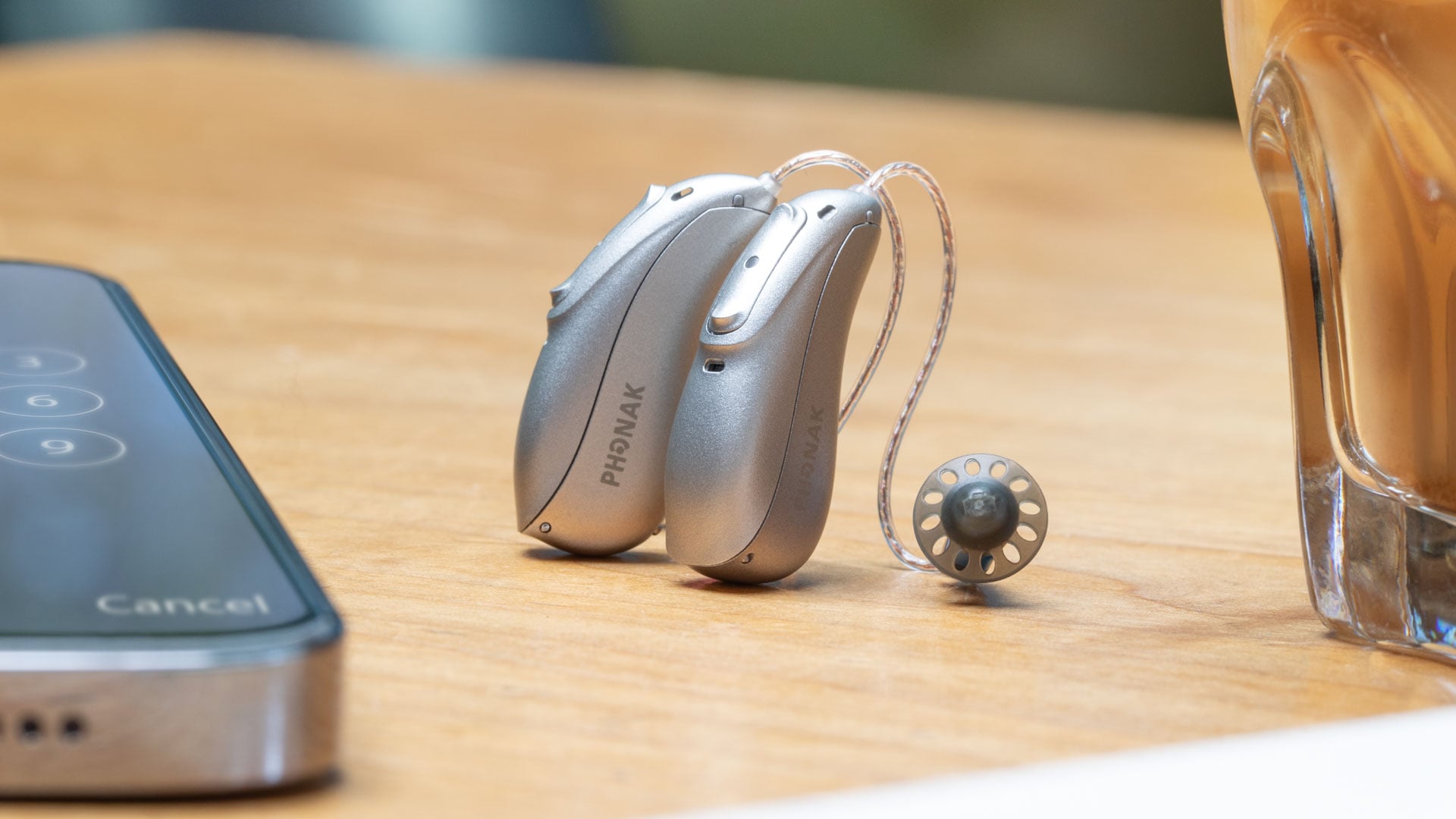
The pouch sat on the passenger seat where I could see it. Every few miles, I reached over and touched it to make sure it was still there. The way you check on a sleeping baby in the back seat.
I called the school office from a gas station at the edge of town. The secretary, Gail, told me Mrs. Lund’s class would be out for late-morning recess until 11:30. That’s the one the third graders get before lunch, and Mrs. Lund had playground duty that week.
I pulled into the school lot at 11:15.
It’s a one-story brick building, the same school Chad and I both went to as kids, with the gym at one end and the playground out back by the ball field. The flag was snapping hard in the wind. I could hear kids shrieking all the way from the parking lot.
Mrs. Lund met me at the side door before I could even push the buzzer.
She’s in her fifties and has taught third grade in our town for almost thirty years. She had her graying brown hair pulled back and was wearing her green cardigan, the same one she wears every spring.
“Thank goodness,” she said. “Come on. She’s out back.”
She didn’t ask what I was carrying. She walked me down the hall past the art room and the lost and found box, pushed open the back door, and we stepped out into the spring daylight.
The grass along the edge of the playground had finally turned green after a long brown April. The blacktop was warm, and the four-square lines were faded almost white. Kids were swarming all over the climbing set and the big red slide. A few boys were arguing over a kickball out on the grass.
And Emma was standing at the bottom of the red slide in her purple jacket.
All by herself.
She wasn’t playing. She wasn’t even trying to. She was standing very still with her back to the slide, watching the other kids’ faces. Turning her head from one to the next. Trying to catch what they were saying by reading their lips. Her brown braid hung down over one shoulder.
She had something clutched in both hands, held tight against her chest.
It took me a second to see what it was.
It was her little tan hearing aid case. The one that sits on her nightstand at her dad’s house.
It was empty.
She had carried an empty case to school and held on to it all morning long.

Laura Bennett writes about complicated family dynamics, difficult conversations, and the quiet moments that change everything. Her stories focus on real-life tensions — inheritance disputes, strained marriages, loyalty tests — and the strength people find when they finally speak up. She believes the smallest decisions often carry the biggest consequences.