Three days later, the doctors sat them down in a small conference room with a box of tissues on the table.
Dr. Anita Raghavan was the head of pediatric neurosurgery. She had gray hair, reading glasses on a beaded chain, and a voice that didn’t waste words.
She put Noah’s MRI scans up on a screen.
“Noah’s condition is complicated,” she said. “But I want you to hear this clearly. There are real options. Good ones.”
She explained a surgery called a selective dorsal rhizotomy. An operation on the lower spine, to cut some of the nerve fibers that kept the muscles in Noah’s legs locked tight.
“It won’t cure cerebral palsy,” she said. “Nothing does. But for the right patient, it can reduce the spasticity dramatically. It can make the legs looser. More flexible. Easier to move. Followed by months of intensive physical therapy, it can make a real difference in mobility and comfort.”
“Months,” said Emily.
“Months. Maybe a year. Five days a week at first. It’s very hard work. There are risks with any spinal surgery. And I can’t promise you a miracle. Nobody honest can.”
Daniel asked the question he’d been terrified to ask.
“What are his chances?”
Dr. Raghavan took off her reading glasses.
“We believe treatment could make a meaningful difference for Noah. He’s a good candidate. He’s motivated. He’s smart. But he’s going to need patience. Support. And a family willing to stand beside him through the bad days. And there will be bad days.”
Daniel looked over at his son. Noah had insisted on being in the meeting. “It’s my legs,” he’d said. “I get to hear about my own legs.”
“I’ll be here,” Daniel told him.
Noah studied his father.
“Even when I get mad? I get really mad sometimes. Mom can tell you.”
“Yes.”
“Even if the surgery doesn’t work?”
Daniel swallowed. “Yes.”
“Even if I never get better? Even if I’m in this chair forever?”
Daniel got up and walked around the table and pulled a chair right up next to Noah’s wheelchair.
“Listen to me, Noah. You don’t have to walk to make me proud of you. You don’t have to win anything. You don’t have to accomplish anything or become anybody important.”
He took his son’s hand.
“You’re already important to me. You’ve been important to me since the second I saw you in that doorway. I just wish to God I’d understood that fourteen years ago.”
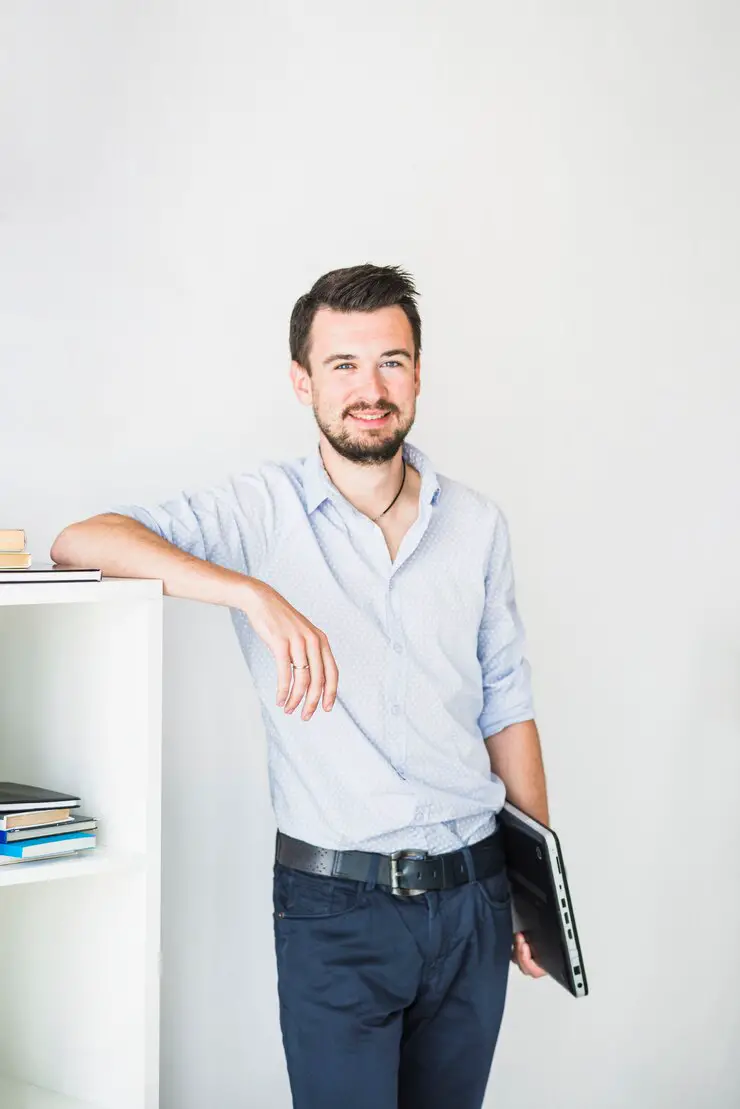
Ethan Blake is a skilled Creative Content Specialist with a talent for crafting engaging and thought-provoking narratives. With a strong background in storytelling and digital content creation, Ethan brings a unique perspective to his role at TheArchivists, where he curates and produces captivating content for a global audience.
Ethan holds a degree in Communications from Zurich University, where he developed his expertise in storytelling, media strategy, and audience engagement. Known for his ability to blend creativity with analytical precision, he excels at creating content that not only entertains but also connects deeply with readers.
At TheArchivists, Ethan specializes in uncovering compelling stories that reflect a wide range of human experiences. His work is celebrated for its authenticity, creativity, and ability to spark meaningful conversations, earning him recognition among peers and readers alike.
Passionate about the art of storytelling, Ethan enjoys exploring themes of culture, history, and personal growth, aiming to inspire and inform with every piece he creates. Dedicated to making a lasting impact, Ethan continues to push boundaries in the ever-evolving world of digital content.