I turned thirty-seven in October.
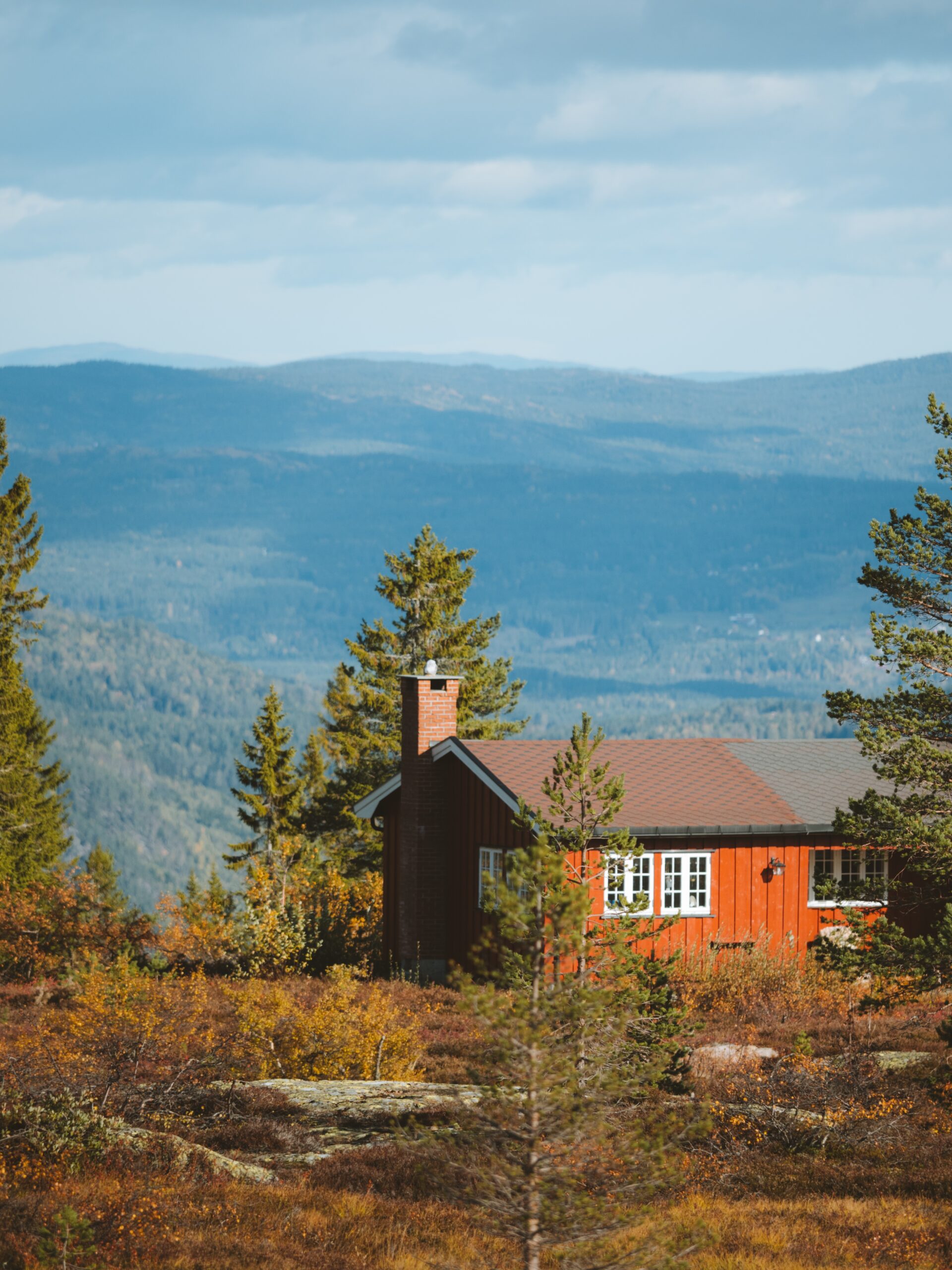
I drove up on a Friday after my afternoon route, built a fire, and made a pot of Nessa’s chili from a recipe card in her handwriting I’d found in a tin in the pantry. I made it the way she did, with too much cumin and no apology.
At six o’clock, a truck came up Ridge Road.
It was Gil’s. He climbed out with a bag of marshmallows, Rey followed with a six-pack of root beer, and the kids spilled out behind them in coats and rubber boots, shrieking at the dark pines. Ollie, eight now, carried a hatchet he wasn’t allowed to use. June, five, carried a stuffed rabbit and a stick.
“Auntie Lane!” June yelled, and hit me at the knees.
I picked her up. She smelled of cold air and graham crackers.
“You asked,” Gil said from the steps. He was grinning in a way I hadn’t seen since he was nineteen. “I want it on the record. You invited us. We didn’t just show up.”
“Noted.”
“Still okay if we stay over?”
“You’ve got the loft,” I said. “Sleeping bags are in the closet.”
Gil reached into his jacket and pulled out an envelope. “And this. October payment on the loan. Four hundred sixty dollars. Early.” He handed it to me with a little flourish. “Rey made me write the check myself. She says it builds character.”
Rey rolled her eyes. “It builds a credit score. His went up eighty-one points since spring.”
We made s’mores on the porch. June burned two and ate them anyway. Ollie learned to split a log with Gil’s hands over his on the maul, and it came down in a clean, bright crack that echoed across the ridge.
Rey and I sat by the stove with mugs of tea.
“I owe you,” she said.
“Don’t.”
“I’d like to say it anyway.”
“Then say it,” I said. “And pass the marshmallows.”
She laughed. The fire popped, and out on the porch the kids were singing something tuneless about a bear.
At ten, when the kids were asleep in the loft, I took the guest book down from the shelf. I opened it to the first empty page and picked up Nessa’s blue pen.
October 17th, I wrote. Full house. Gil, Rey, Ollie, June. We made s’mores. June burned two and ate them anyway.
I paused. The stove ticked. Up in the loft, a small child sighed in her sleep.
I wrote one more line.
Nessa, they came when they were asked. It’s the proof that we were here.
I closed the book and put it back on the shelf between the percolator and the lamp, next to my father’s old brass key.
Then I banked the fire, turned out the light, and stood on the porch in the dark for a moment, listening to the wind move through the hemlocks and to the quiet breathing of the house behind me. A star came out over the ridge, then another.
The lock behind me was new, and it held. The key was in my pocket, warm from my hand.
I went in.

Adrian Hawthorne is a celebrated author and dedicated archivist who finds inspiration in the hidden stories of the past. Educated at Oxford, he now works at the National Archives, where preserving history fuels his evocative writing. Balancing archival precision with creative storytelling, Adrian founded the Hawthorne Institute of Literary Arts to mentor emerging writers and honor the timeless art of narrative.