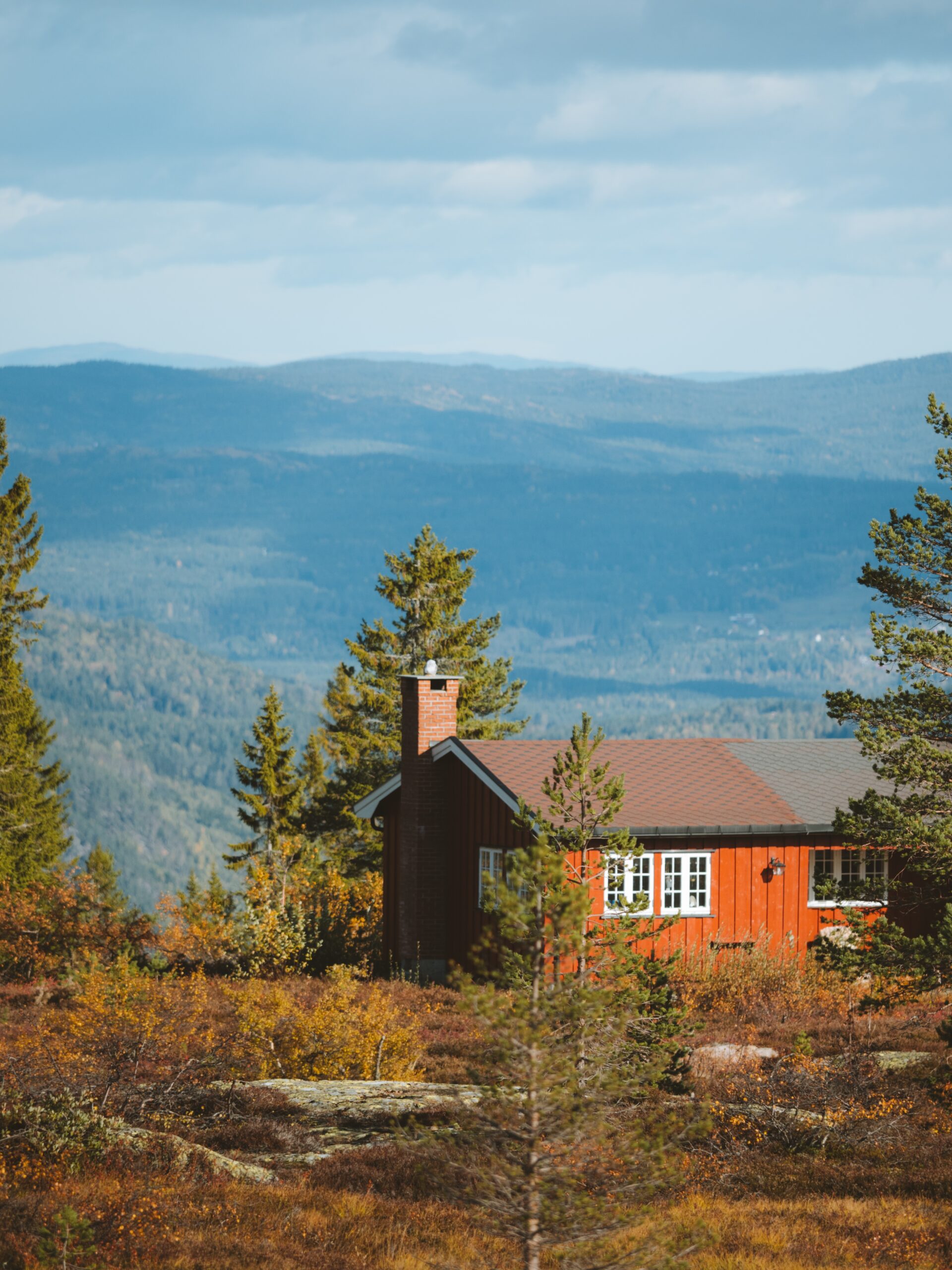
I’d driven that road a thousand times. Route 421, then the county road, then Ridge Road, climbing through rhododendron and hemlock until the pavement gives out and the gravel begins.
It was close to eleven when I pulled into the clearing. The A-frame stood dark against a sky full of stars. The air smelled of cold and pine.
I unlocked the door and stood a moment in the dark with my hand on the wall. Then I turned on the lamp.
I made one phone call.
The Harlan County Sheriff’s non-emergency line was answered by a dispatcher named Dolores, the same name as my mother, which struck me as funny. I gave her my name, the address, and the parcel number from my deed. I explained that relatives were planning to arrive with a moving truck and had no permission to live there.
“Ma’am, is there a dispute over who owns the property?”
“No. I’m the sole owner. I have the recorded deed.”
“And you’re asking for a deputy to be there to prevent a confrontation?”
“Yes. I’d like it to stay calm. There are children involved.”
“What time do you expect them?”
“Around eight, I’d guess.”
She said she’d pass it along to the day shift, depending on availability. She said calling ahead was the right thing to do. I thanked her.
Then I looked on my phone for the nearest hardware store with holiday hours. The Tractor Supply in Pineville was open until midnight on Christmas, for farmers and fools. I drove down the mountain and bought a Schlage deadbolt for $28.47. The clerk, a teenager in a Santa hat, rang me up and asked, “Rough night?”
“Educational,” I said.
Back at the cabin, I changed the lock by headlamp. It took twenty-two minutes. The old brass key, the one my father had carried on his key ring for thirty years and never once used, no longer fit.
Afterward, I made coffee in Nessa’s old percolator and sat in her rocking chair by the woodstove.
That’s when I let it come.
I thought about that sentence: She barely uses it.
I thought about every weekend I’d driven up through ice and mud. The blizzard three Januarys ago, when I was sure the pipes would freeze, and I sat on the kitchen floor for six hours with a roll of heat tape and pipe insulation, wrapping copper until my fingers wouldn’t bend. The porch rail I fixed in April. The gutter in June. Two whole summers spent re-chinking the north wall with mortar, one bucket at a time. Learning to split wood with an eight-pound maul until my shoulders burned.
My family knew almost none of it. They talked about the cabin the way you’d talk about a postcard on the refrigerator.
And then the other sentence. She always understands. She’s not the type to make a fuss.
I turned that one over too.
It wasn’t that they thought I’d say yes. It was that they’d never once wondered whether I could say no.

Adrian Hawthorne is a celebrated author and dedicated archivist who finds inspiration in the hidden stories of the past. Educated at Oxford, he now works at the National Archives, where preserving history fuels his evocative writing. Balancing archival precision with creative storytelling, Adrian founded the Hawthorne Institute of Literary Arts to mentor emerging writers and honor the timeless art of narrative.