My name is Lane Pruitt. I’m thirty-six, and my family never really asked who I am.
I drive Bus 14 for the Cedar Hollow school district in eastern Kentucky. I have thirty-eight kids on a good day and forty-one when the Alvarez cousins come to visit. I earn $34,000 a year, with health insurance through the district and a state pension I’ll see in about thirty years if my knees hold up.
I live in a one-bedroom rental in Millbrook with a tabby cat named Cleo and a shelf full of paperbacks with cracked spines. I’m not unhappy. I like my route. I know which kid needs to sit up front and which one will cry if you say good morning too loudly.
My brother Gil is forty. He sells heating and air conditioning systems and has Dad’s big shoulders and a gift for being the one everybody worries about. His wife Rey is a dental hygienist, brisk and tired. Their kids, Ollie, seven, and June, four, are the best part of that side of the family. I love them without reservation.
My parents, Frank and Dolores Pruitt, live in a split-level in Harlan County that they bought in 1988 for $61,000. Dad was a foreman at a gravel quarry until his back gave out. Mom kept the books for a Baptist church for twenty-two years.
They aren’t wicked people. They’re people who learned a long time ago which child they could lean on.
I was that child.
My father’s mother, Nessa Pruitt, was the only person in our family who said exactly what she meant.
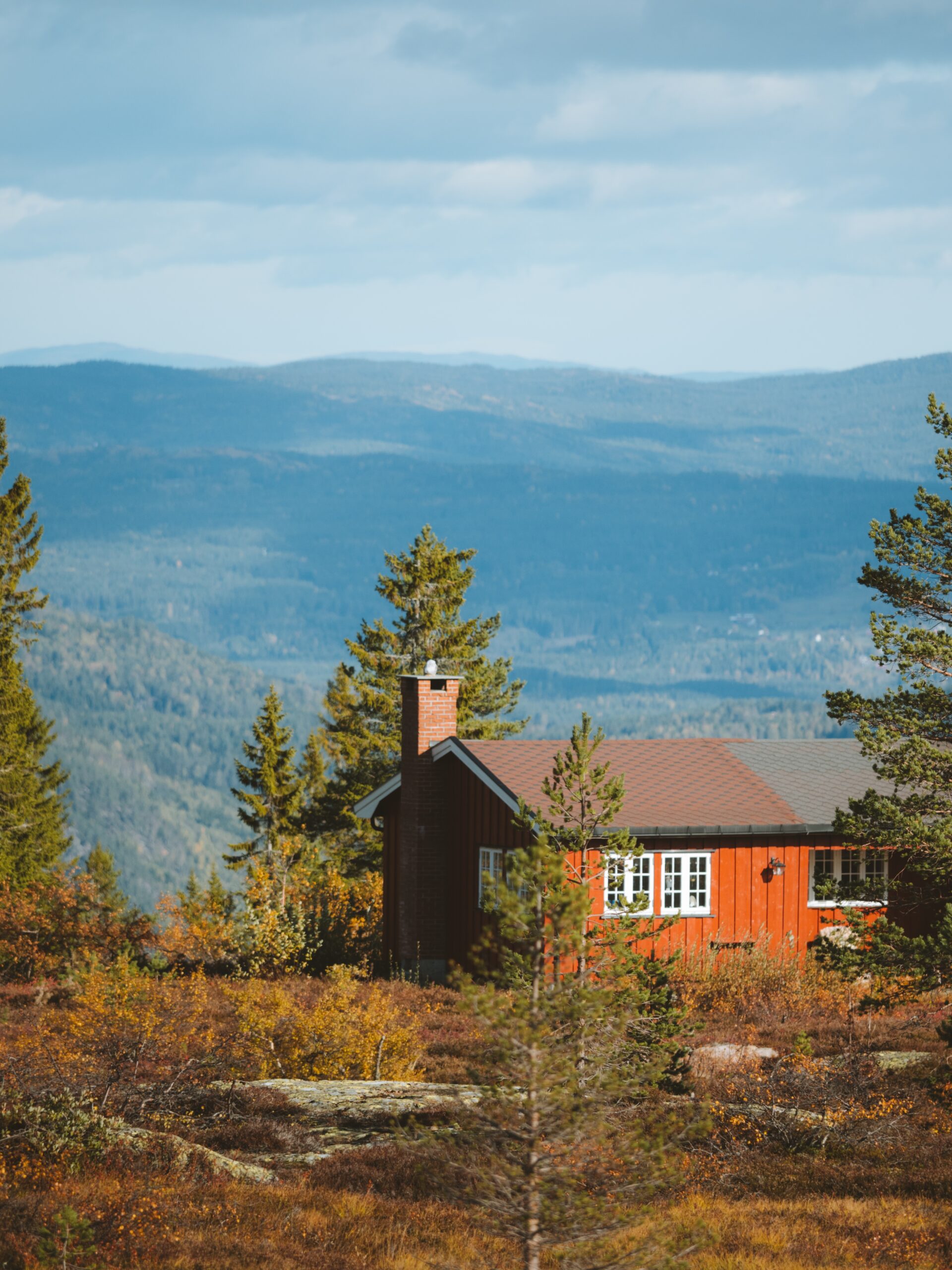
She was small and wiry, with two white braids and hands like knotted rope. For thirty years she cooked at a logging camp, feeding forty men three meals a day off a woodstove. When my grandfather Amos died in 1994, she took his $65,000 life insurance check, drove up into the mountains, and paid cash for four acres on Ridge Road with an A-frame cabin that leaned slightly to the east.
“It’s got character,” she’d say. “That’s what you call crooked when you paid cash.”
She was seventy-eight when I started driving up every weekend. I’d just turned twenty-two and been passed over for a job I’d earned, an office position at the county that went to a supervisor’s nephew. I showed up on her porch with a duffel bag and nothing to say.
She looked at me for a long moment.
“Well,” she said. “There’s wood to stack.”
I stacked it. We didn’t talk about the job. That was the whole therapy.
I spent fourteen years of weekends in that cabin. I learned to read the stove, how much to open the damper and when to bank the coals. I learned which stair squeaked and which window stuck in humid weather. I learned that Nessa could predict the weather from how her old hound’s ears moved, and that she cheated at gin rummy and knew I knew.
She died four years ago, in her own bed, in March, with the window open a crack. Her heart. She was eighty-eight. I found her on a Saturday morning when I drove up with groceries.
I sat beside her and held her hand until the sheriff came. Then I called my father.

Adrian Hawthorne is a celebrated author and dedicated archivist who finds inspiration in the hidden stories of the past. Educated at Oxford, he now works at the National Archives, where preserving history fuels his evocative writing. Balancing archival precision with creative storytelling, Adrian founded the Hawthorne Institute of Literary Arts to mentor emerging writers and honor the timeless art of narrative.