The rest of the funeral was the most beautiful service I’ve ever been to.
Pastor Lindqvist threw out half of what he’d planned to say. He talked about Ruth and Naomi. “Where you go, I will go. Where you stay, I will stay. Your people will be my people.” He said it was the oldest promise between two women in the whole Bible.
He said my mother had kept that kind of promise her entire life. To her patients. To her daughters. To her husband. And to her friend in Room 214.
Karen gave the eulogy. She’d written it on her legal pad, of course. Four pages. She got through the first page. Then she looked down at Dolores in the front pew, in the dress.
She folded up the legal pad and put it in her pocket.
“I had a whole speech,” Karen said. “About how Mom was a wonderful nurse and a wonderful mother and a wonderful member of this church. And all of that’s true. You all know it’s true.”
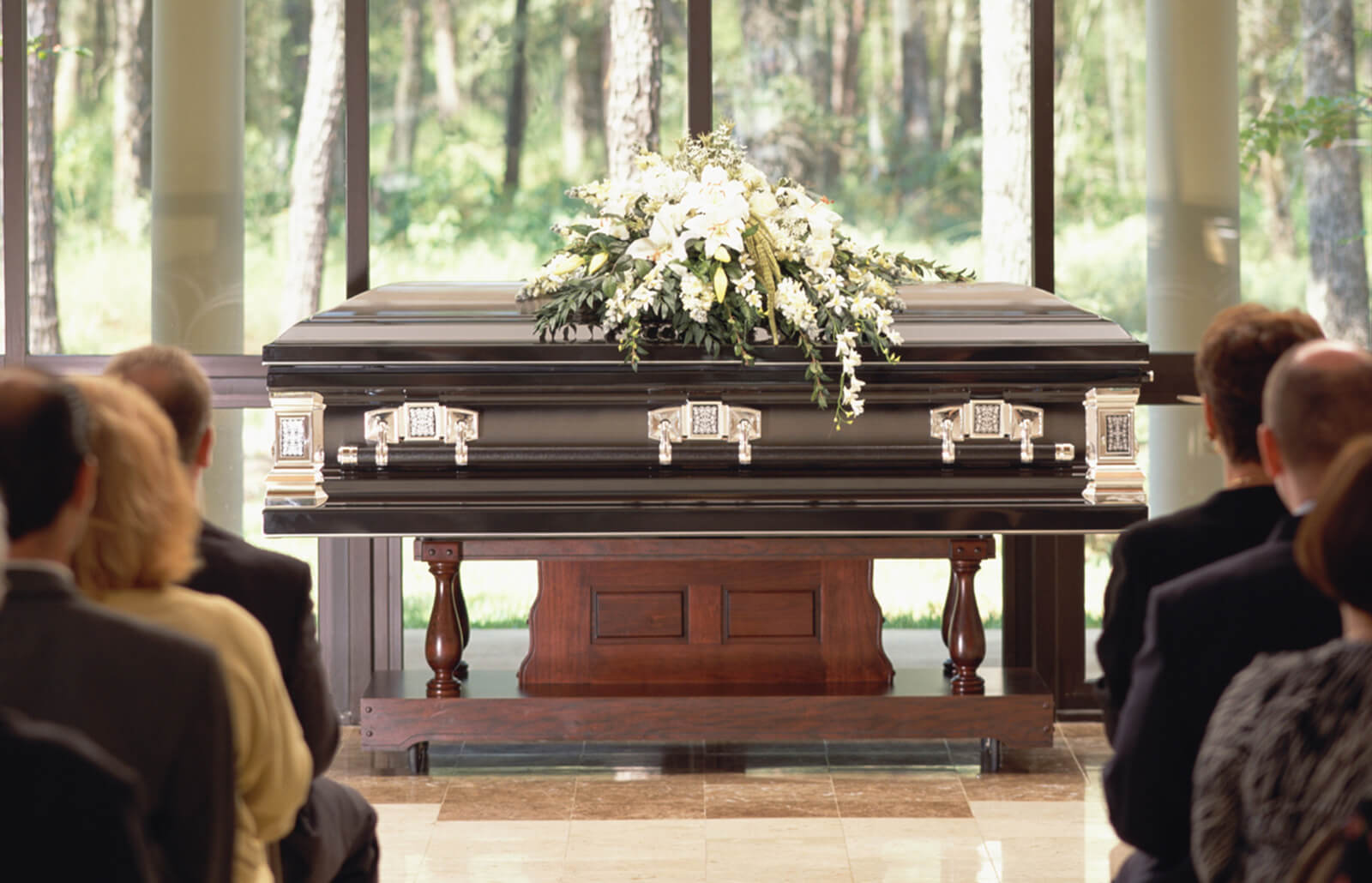
She looked at the casket.
“But I think the most important thing about my mother is something I didn’t know until twenty minutes ago. She was brave. Not loud brave. Not the kind of brave anybody ever saw. She was quiet brave. She kept a secret for forty-seven years because somebody she loved needed her to. And she let her own daughters think she was careless with her own wedding dress so the rest of this town wouldn’t hurt her best friend.”
Karen’s voice cracked.
“I’m going to try to be braver,” she said. “Starting today.”
She came down and sat back next to Dolores. Dolores took her hand and didn’t let go for the rest of the service.
At the cemetery, out at Oakdale, it was a cold, bright September afternoon. The maples were just starting to turn.
Dolores stood at the graveside in the dress. The wind kept catching her veil and blowing it sideways. She didn’t fix it.
When they lowered the casket, she stepped forward. She took one daisy out of her purse. Just one. A little bit wilted.
She dropped it in.
“White,” she said quietly. “Like I promised, Helen.”

Specialty: Quiet Comebacks & Personal Justice
David Reynolds focuses on stories where underestimated individuals regain control of their lives. His writing centers on measured decisions rather than dramatic outbursts — emphasizing preparation, patience, and the long game. His characters don’t shout; they act.