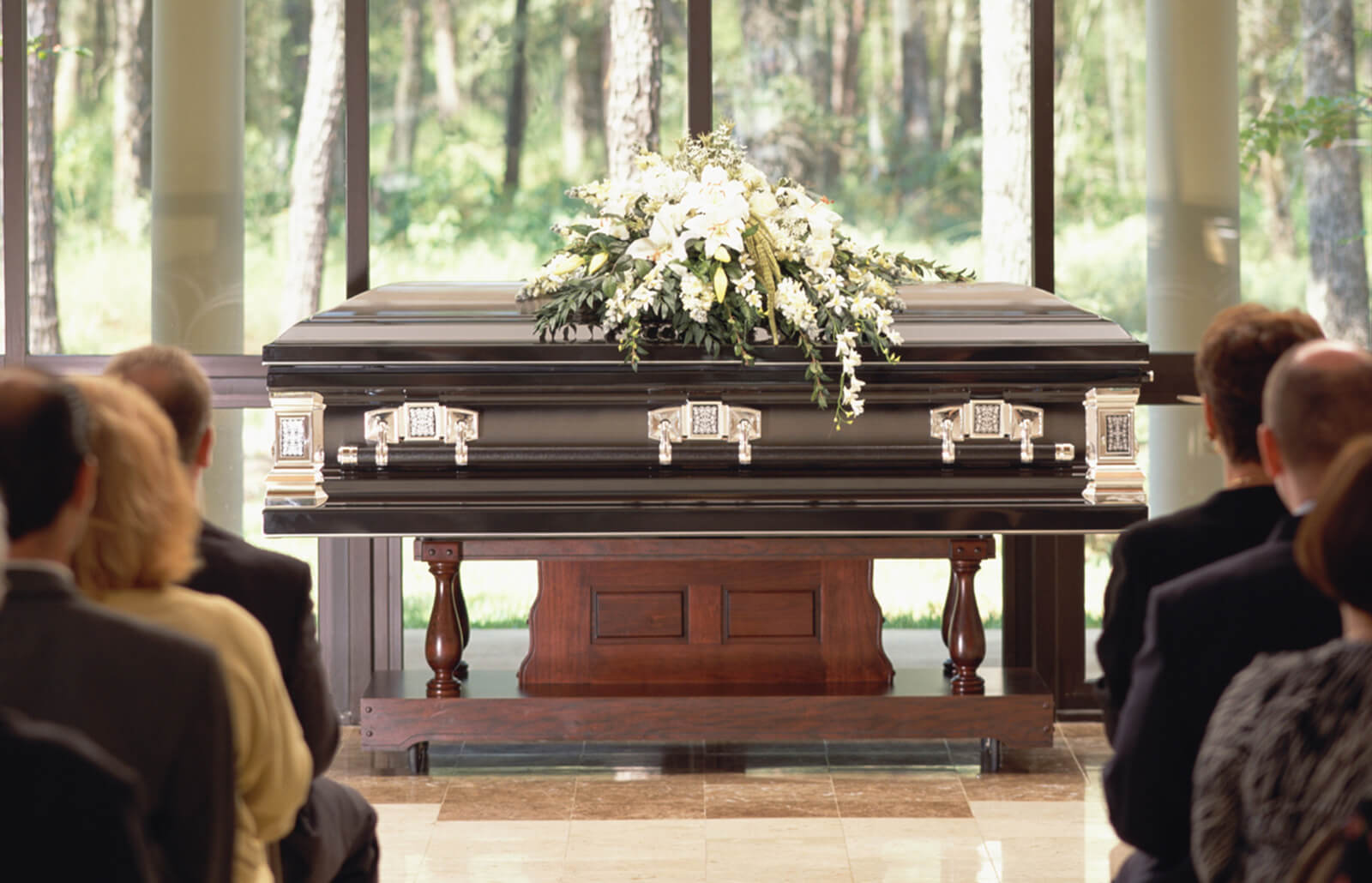
Pastor Lindqvist cleared his throat.
He’s young. Thirty-four, maybe. He’d only been at Trinity for three years. My mother adored him. She brought him a pan of scotcheroos every single Sunday.
“Dolores,” he said gently. “Would you like to speak? Before we begin?”
“I’d like that very much, Pastor.”
He stepped back from the pulpit and held out his hand. Dolores gathered up the lace train in her arms again and climbed the two carpeted steps. Slowly. Carefully. One hand on the railing.
She laid the train down on the floor behind her. She set her purse on the pulpit, a black leather one, cracked at the corners. And she opened it.
She took out a photograph. An old Polaroid, with a wide white border at the bottom. Faded to orange and brown, the way they all do.
She held it in both hands. She looked at it for a long moment.
Then she looked up at all of us.
“Helen and I met in August of 1972,” she said. “We were both nineteen. Both farm girls. Both scared to death. She was from Maquoketa. I was from a dairy farm outside DeWitt. We got assigned to the same dorm room at Mercy Nursing School. Room 214. It had one window that wouldn’t close all the way and a radiator that banged all night like somebody was hitting it with a hammer.”
A couple of the older women in the pews smiled. They’d gone to Mercy too.
“The first night, neither of us could sleep. Because of the radiator. So we sat up on my bed with a box of saltines and talked until four in the morning.”
She smiled down at the Polaroid.
“By four in the morning, we’d decided we were going to be best friends for the rest of our lives. Like girls do. Like you decide those things when you’re nineteen. And it turned out we were right.”
She swallowed.
“We graduated in May of 1974. And the night before graduation, we sat up on that same bed in Room 214. With another box of saltines. And we made each other two promises.”
She held up one finger.
“The first one was silly. The kind of thing you promise when you’re twenty-one. We promised that whoever got married first would lend the other one her wedding dress. Because neither of us could afford two.”
A few people laughed softly.
She held up a second finger.
“The second promise was Helen’s idea. She said, ‘Dee, whichever one of us goes first, the other one has to wear white to the funeral. No black. I don’t want anybody crying over me in black like a bunch of crows.'”
Now more people laughed. It sounded exactly like my mother.
Then Dolores’s face changed.
“We kept the first promise,” she said. “It just didn’t go the way either of us thought it would.”

Specialty: Quiet Comebacks & Personal Justice
David Reynolds focuses on stories where underestimated individuals regain control of their lives. His writing centers on measured decisions rather than dramatic outbursts — emphasizing preparation, patience, and the long game. His characters don’t shout; they act.