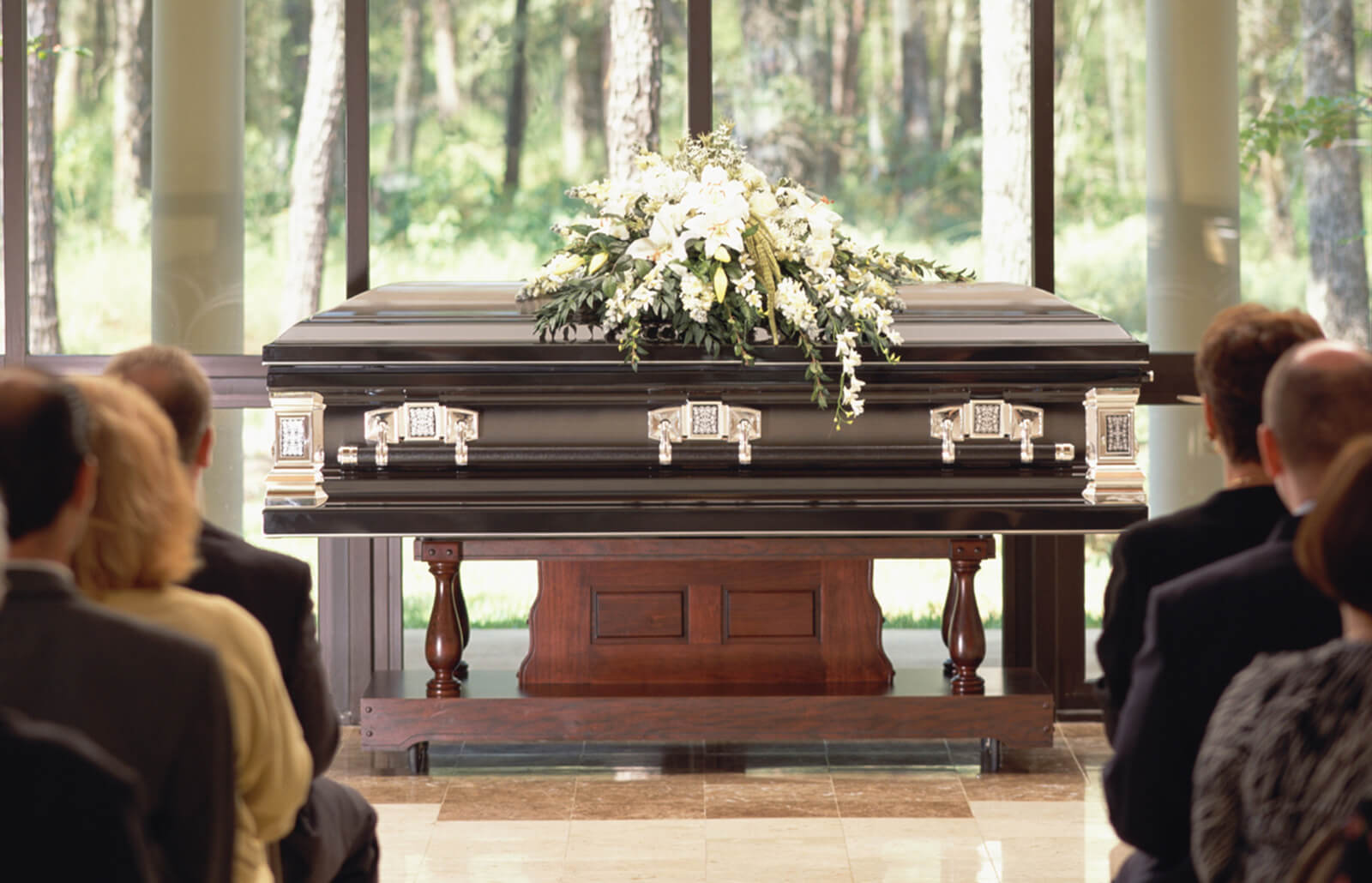
The luncheon in the church basement afterward was crowded and loud and full of ham buns.
Half the women from the altar guild came up to Dolores. One at a time. Some of them hugged her. Some of them just squeezed her hand and couldn’t say anything. One of them, a woman named Bev who I didn’t really know, told Dolores her own grandson had come out last Christmas and she hadn’t known what to say to him.
“I’m going to call him tonight,” Bev said. “I’m going to tell him about you.”
Three of the old nurses from Mercy came over together. They’d all been in the class of ’74 with Mom and Dolores.
“We knew, Dee,” one of them said. Her name was Phyllis. “We always knew. We just didn’t know if we were allowed to say.”
“Now you’re allowed,” Dolores said.
Mr. Gustafson came over at the end. He looked like he’d been working up to it all afternoon.
“Mrs. Kaminski,” he said. “I want to apologize. For walking toward you like that. In the aisle.”
“You were doing your job, Mr. Gustafson.”
“I was doing what I was told,” he said. “That’s not always the same thing. My father ran this funeral home before me. In 1987, a young man died of AIDS. His family asked my father not to let his friends come to the service.” He looked down at his shoes. “My father said yes. I was twenty-four. I helped him lock the doors.”
Dolores looked at him for a long time.
“I knew that young man,” she said quietly. “His name was Danny Moretti. He was a nurse’s aide on my floor.”
Mr. Gustafson closed his eyes.
“I think about him every day,” he said.
“Then think about him tomorrow too,” Dolores said. “And the next time someone asks you to lock the doors, don’t.”
He nodded. He couldn’t speak.
That night, Karen and I drove Dolores home to the little house on Locust Street.
She was exhausted. She could barely climb her own front steps. Karen held one arm and I held the other.
Inside, her living room was exactly like I remembered from when I was a little girl. The same brown plaid couch. The same afghan over the back. The same little ceramic birds on the windowsill.
And on the wall over the television, for the first time I could ever remember, there was a framed photograph.
Two women in front of a pale green cinder block wall. One in a brown suit. One in a white dress.
“I put it up this morning,” Dolores said. “Before I came. First time in forty-seven years it’s been on a wall instead of in a drawer.”

Specialty: Quiet Comebacks & Personal Justice
David Reynolds focuses on stories where underestimated individuals regain control of their lives. His writing centers on measured decisions rather than dramatic outbursts — emphasizing preparation, patience, and the long game. His characters don’t shout; they act.