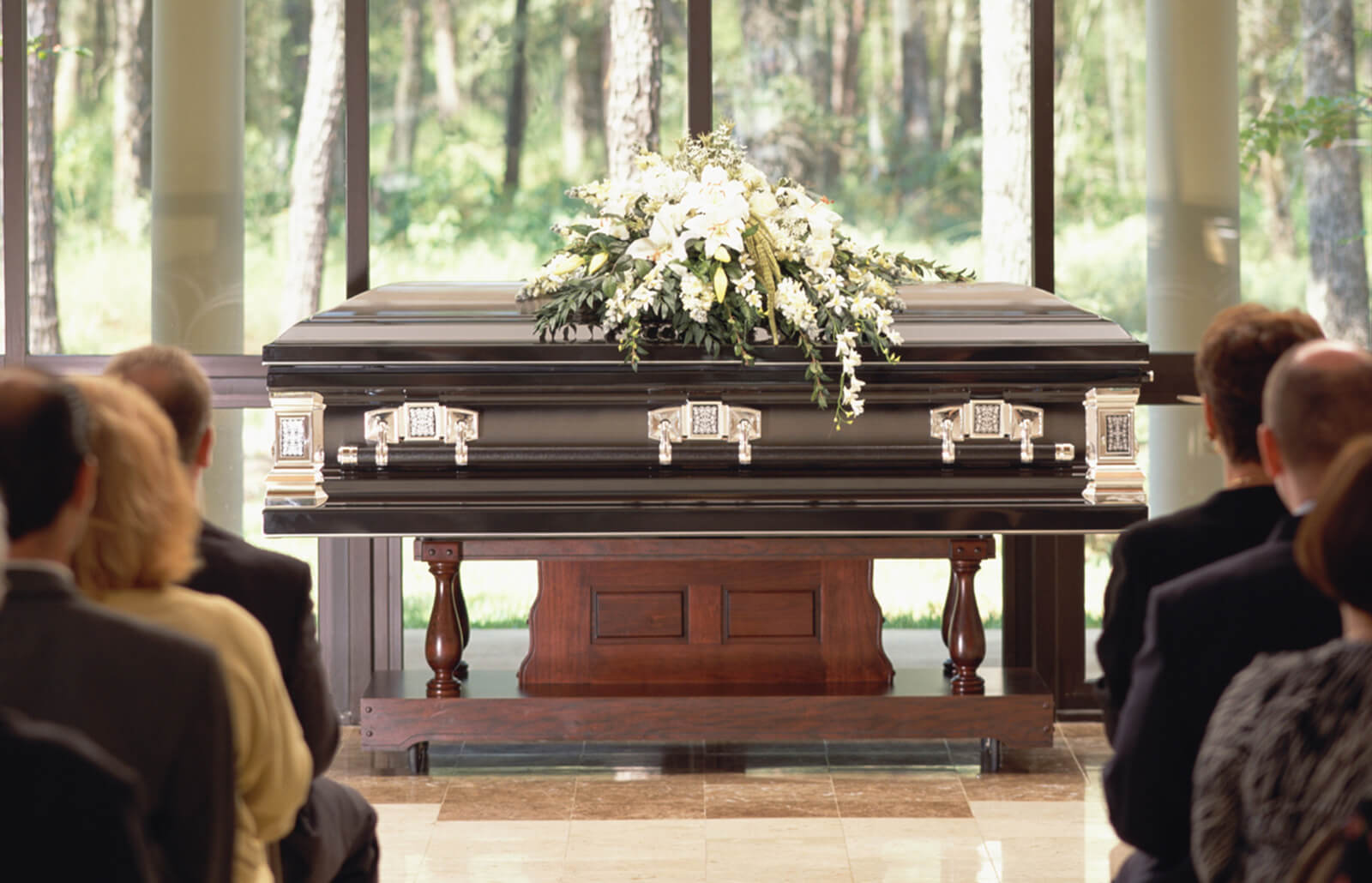
“Helen got married first,” Dolores said. “Of course she did. Frank Brandt came into the emergency room in the fall of 1975 with a broken wrist from falling off a power pole. Helen set it. He asked her out while she was still wrapping the cast. She said no. He came back the next week with a cast that said ‘Please’ on it in Magic Marker.”
Karen let out a sound next to me. Half laugh, half sob. We’d heard that story a thousand times.
“They got married right here. June 12th, 1976. Helen wore this dress.”
She looked down at the yellowed lace across her own chest.
“She bought it at Petersen Harned Von Maur downtown for a hundred and twelve dollars. Which was two months of her salary. She walked down this same aisle in it. I was her maid of honor. I wore pink. I looked like a stick of bubble gum.”
More laughter. Softer now.
“After the wedding, Helen kept the dress in a big white box. On the top shelf of her closet. And she said to me, ‘Dee, it’s yours whenever you need it. That’s the promise.'”
Dolores looked down at the Polaroid in her hands.
“In the spring of 1979, I needed it.”
The church was very quiet.
“I need to tell you all something about me now,” Dolores said. “Something some of you have probably guessed over the years. And some of you probably whispered about at the Hy-Vee. And I’ve never once said it out loud in this town. Not in fifty years.”
She took a breath. Her hands were shaking now. The Polaroid rattled a little.
“In 1977, I met a woman named Ruth Ann Jorgensen. She was a respiratory therapist at St. Luke’s. She had red hair and a terrible laugh, like a goose. And she was the love of my life.”
Nobody in that church made a sound.
“We lived together for thirty-eight years. In the little house on Locust Street. Most of you knew her as my roommate. My friend. My cousin, sometimes, if somebody asked the wrong question at the wrong time.”
She looked out over the pews.
“She wasn’t my roommate. She was my wife. Not on any piece of paper. Not until 2009, when Iowa finally let us. But she was my wife long before that.”
She held the Polaroid up higher. So we could see it, even from the pews.
“Because on April 21st, 1979, we got married. In the basement of a Unitarian church in Iowa City, by a minister who could have lost his job for doing it. With exactly one witness.”
She turned the photograph around toward me.
“Your mother, Annie.”

Specialty: Quiet Comebacks & Personal Justice
David Reynolds focuses on stories where underestimated individuals regain control of their lives. His writing centers on measured decisions rather than dramatic outbursts — emphasizing preparation, patience, and the long game. His characters don’t shout; they act.