My name is Annie Brandt. I’m forty-six years old. I teach third grade at Jefferson Elementary in Bettendorf, about ten minutes from the house I grew up in.
My mother’s name was Helen. Helen Marie Brandt. She was seventy-three.
She was a nurse for forty-one years. Labor and delivery, mostly, at Mercy Hospital in Davenport. She liked to say she’d caught more babies than the entire Chicago Cubs infield had caught baseballs. She was probably right.
She married my father, Frank, in June of 1976. He was a lineman for the power company. Big, quiet, red-faced man who could fix anything with a motor and couldn’t say “I love you” out loud to save his life. He showed it instead. He warmed up her car every winter morning for forty-three years. He died in 2019. A stroke, in the garage, with a carburetor in his hands.
After that, it was just Mom in the old house on Elm Street. And Dolores, three blocks over.
My mother had pancreatic cancer. They found it in March. By August, she was in hospice. She died on a Tuesday morning in late September, at 6:15, just as the sun was coming up. Dolores was holding one of her hands. I was holding the other one.
Karen was in Des Moines. She drove in that afternoon.
Karen is fifty. She’s a pharmaceutical sales rep. She has a nice house in West Des Moines with a three-car garage and a husband named Doug who golfs. She’s always been the organized one. The one who wanted things done right. Mom used to say Karen came out of the womb with a clipboard.
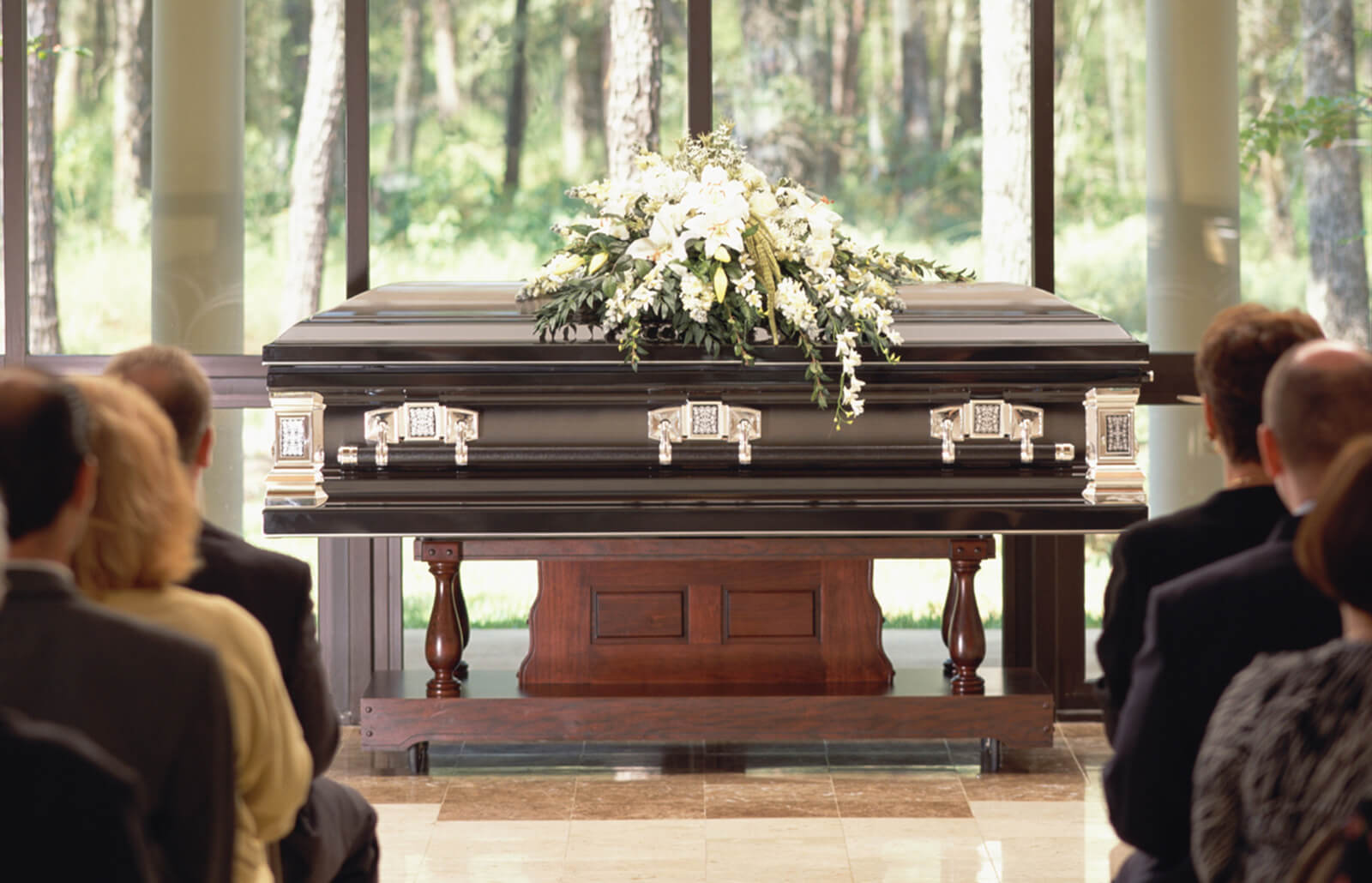
Karen planned the funeral. Every detail. The flowers. White lilies and pink roses. The hymns. The luncheon in the church basement afterward. Ham buns and potato salad and seven kinds of bars from the church ladies.
She’d even written out a schedule on a legal pad. 10:00, prelude. 10:05, processional. 10:10, welcome.
Dolores in a wedding dress was not on that schedule.
I want to be fair to my sister. She’s not a cruel person. She’d just watched our mother die, and she’d spent five days holding herself together with lists and phone calls. And now, at the one moment she’d planned so carefully, the whole church was staring at an old woman in a yellowed gown.
She wanted it to go right. That’s all Karen ever wants.
But I saw her face when she pointed at Dolores. And it wasn’t just grief.
It was embarrassment.

Specialty: Quiet Comebacks & Personal Justice
David Reynolds focuses on stories where underestimated individuals regain control of their lives. His writing centers on measured decisions rather than dramatic outbursts — emphasizing preparation, patience, and the long game. His characters don’t shout; they act.