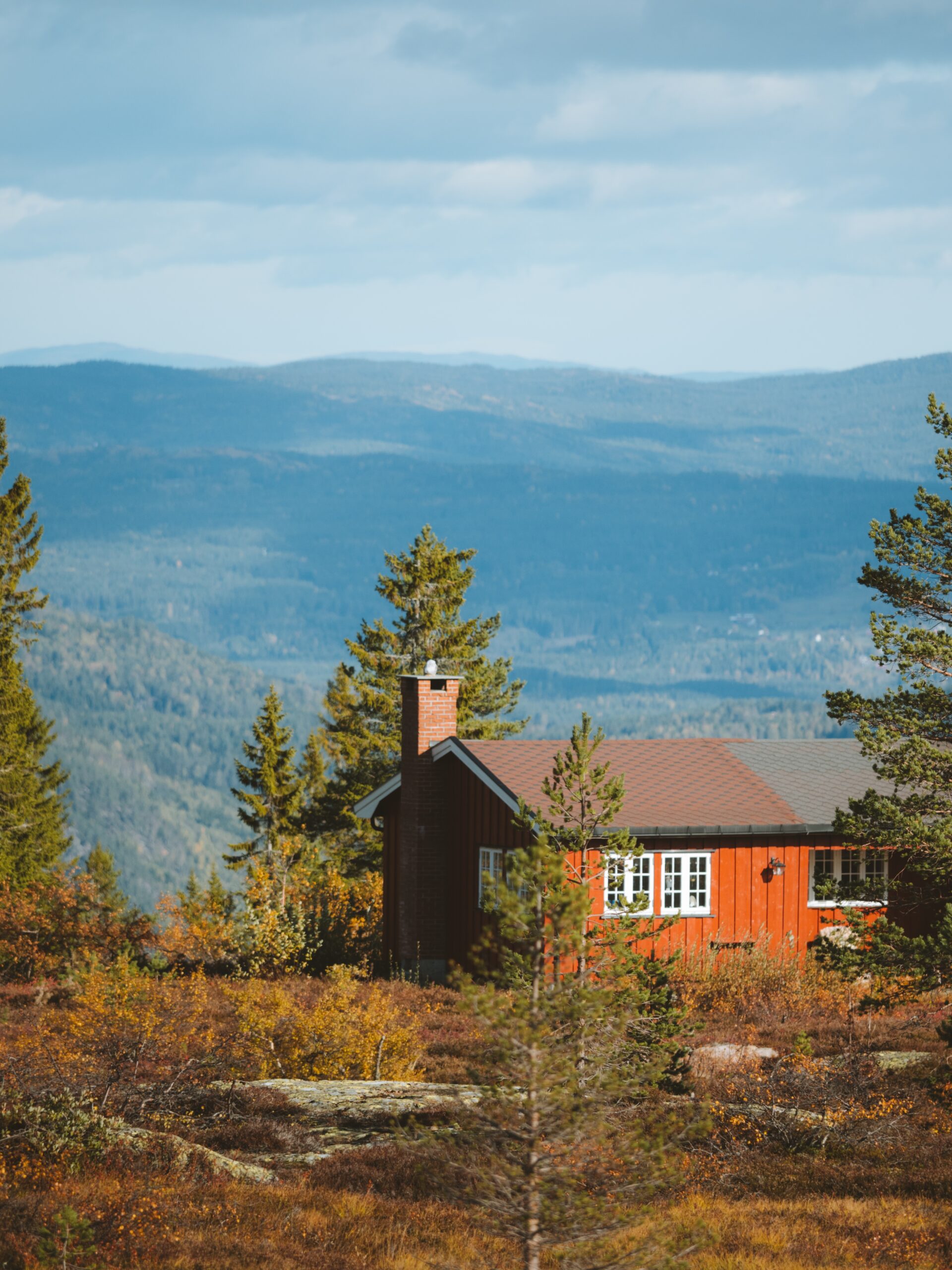
The road ran out about a mile before the cabin. After that, it was just two frozen ruts climbing through the pines, and Dad’s Ford Explorer slid sideways twice before he got it to the top. Nobody had said a word in nearly forty minutes. The heater was blowing on high, and Sandra had the radio on a country station that kept cutting in and out as we climbed, so the only sounds were the tires crunching and a man singing half a line about a pickup truck before he dissolved into static again.
I was nineteen. I was sitting in the back seat like a child, with my backpack on my lap and my hands pushed up into the sleeves of my jacket. It was a thin denim jacket with a fleece lining, the one I wore to my shifts at the Silver Spur Diner in town, and it had been plenty warm for the walk from the parking lot to the kitchen door. It was not warm enough for this.
“Almost there,” Sandra said brightly, turning around in the passenger seat to smile at me. She had her hair blown out and her good wool coat on, the camel one with the big buttons, like she was on her way to church. “Nora, honey, you’re going to love it. It’s so peaceful. It’s a real chance to start over.”
I’d grown up expecting very little from anyone, so I almost believed her.
Dad didn’t say anything. He kept both hands on the wheel and his eyes on the ruts. My father is a big, quiet man who sells insurance out of a storefront office on Main Street, and he has spent most of my life not saying things. He didn’t say much when Mom got sick when I was eleven. He didn’t say much when she died, eighteen months later, in the hospice room at St. Vincent’s with the window that looked out on the parking garage. And he didn’t say much fourteen months after that, when he married Sandra in a courthouse ceremony I wasn’t invited to. I found out from a photo on Facebook.
The cabin came into view through the trees. It was small and gray, built of logs gone silver with age, with a tin roof covered in snow and a stone chimney leaning a little to the left. There was a woodshed out back and a sagging porch with two steps. Every window was dark.
Dad parked. Nobody moved for a second.
“Well,” Sandra said, and opened her door.
Inside, the cabin smelled like old ashes and cedar and dust that had been sitting undisturbed for a very long time. There was one main room with a black cast-iron wood stove in the corner, a bed frame with a bare mattress, a small table with two chairs, and a counter with a dry sink and a few chipped dishes. A braided rag rug lay in the middle of the floor, faded to the color of dirty dishwater. There was no light switch on the wall. There was no phone.
“There’s no electricity,” I said.
“It’s rustic,” Sandra said. “People pay a fortune for this kind of thing, Nora. There’s a whole shed full of firewood out back. You’ll be fine if you’re careful with it.”
I turned around to look at my father. He was standing in the doorway with the cold coming in around him, holding a single paper grocery bag.
“Dad,” I said. “What is this?”
He set the grocery bag on the table. “The cabin’s yours now,” he said. His voice was flat, like he was reading from a card. “It’s in your name. It’s been in your name. You’re nineteen. It’s time you had your own place.”
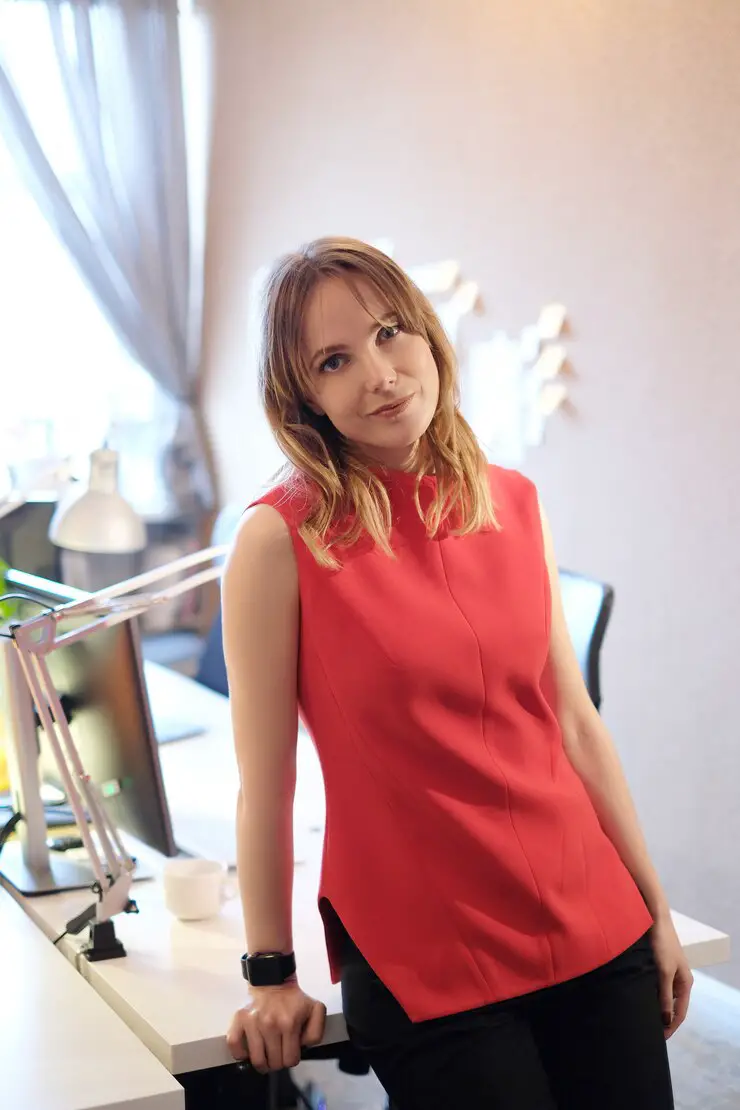
Sophia Rivers is an experienced News Content Editor with a sharp eye for detail and a passion for delivering accurate and engaging news stories. At TheArchivists, she specializes in curating, editing, and presenting news content that informs and resonates with a global audience.
Sophia holds a degree in Journalism from the University of Toronto, where she developed her skills in news reporting, media ethics, and digital journalism. Her expertise lies in identifying key stories, crafting compelling narratives, and ensuring journalistic integrity in every piece she edits.
Known for her precision and dedication to the truth, Sophia thrives in the fast-paced world of news editing. At TheArchivists, she focuses on producing high-quality news content that keeps readers informed while maintaining a balanced and insightful perspective.
With a commitment to delivering impactful journalism, Sophia is passionate about bringing clarity to complex issues and amplifying voices that matter. Her work reflects her belief in the power of news to shape conversations and inspire change.