He explained it carefully, in plain words, and I’ll try to explain it the same way.
A trustee has a legal duty to use the money only for the person the trust is meant to help. Taking it for yourself is called a breach of fiduciary duty. The trust document gave me the right to demand a full accounting of every dollar my father had taken out. If he couldn’t show it had been spent on me, he could be ordered by a court to pay it back. Separately, Mr. Odell said, the bank had its own exposure for approving withdrawals that were plainly not for my benefit, and banks very often prefer to settle these things quietly rather than end up in court.
“And the land?” I asked.
“The land is yours,” he said. “As of November twenty-sixth. Your father couldn’t touch it, and he never could. Your mother made sure of that. Your grandfather’s will said it had to stay in the family line, and she wrote the trust so it couldn’t be sold until you were nineteen and could decide for yourself.” He shook his head slowly. “Your mother was very smart, Ms. Hale. She was a lot smarter than the people who left you up there.”
Ada was sitting next to me in a chair by the window. She snorted. “Always was,” she said.
Mr. Odell sent a formal demand letter to my father that afternoon, by certified mail and by email, with a copy to the trust department at Mountain West Bank. It requested a full accounting of all trust withdrawals within thirty days. It also demanded the immediate return of my personal property. My car, my savings, my phone, and one cardboard box containing the belongings of the late Margaret Hale.
My father called Ada’s house two days later. I don’t know how he got the number. I suppose he asked around town, or maybe he knew all along where she lived.
Ada answered the phone. She listened for a moment, and then she held the yellow receiver out to me across the kitchen at the full length of the cord, with her face like a closed door.
“It’s him,” she said.
I took the phone.
“Nora.” My father’s voice sounded strange, thin and scratchy, like he hadn’t slept. “Nora, are you okay?”
“I’m fine,” I said. “No thanks to you.”
“I didn’t…” He stopped. I heard him breathing. “It wasn’t supposed to be like that. Sandra said the cabin was in good shape. She said you’d figure out the stove, that you’d walk down to Ada’s place in a day or two. She said it would teach you something.”
“You left me with no phone in a snowstorm,” I said. “With two boxes of granola bars and a loaf of bread.”
“I know.”
“You took Mom’s box.”
He was quiet for a long time. “Sandra said if you had it, you’d find something in it. About the trust. She thought Margaret might have left something in there. Papers or something.”
“Did she?”
“No,” he said. “It’s just pictures. And the tapes. And the bird.”
“Then why did you take it?”
He didn’t answer. I listened to him breathe on the line for a long time, and I realized he didn’t have an answer. He had just done what he was told. That’s all he ever did.
“I want it back, Dad,” I said. “Today.”
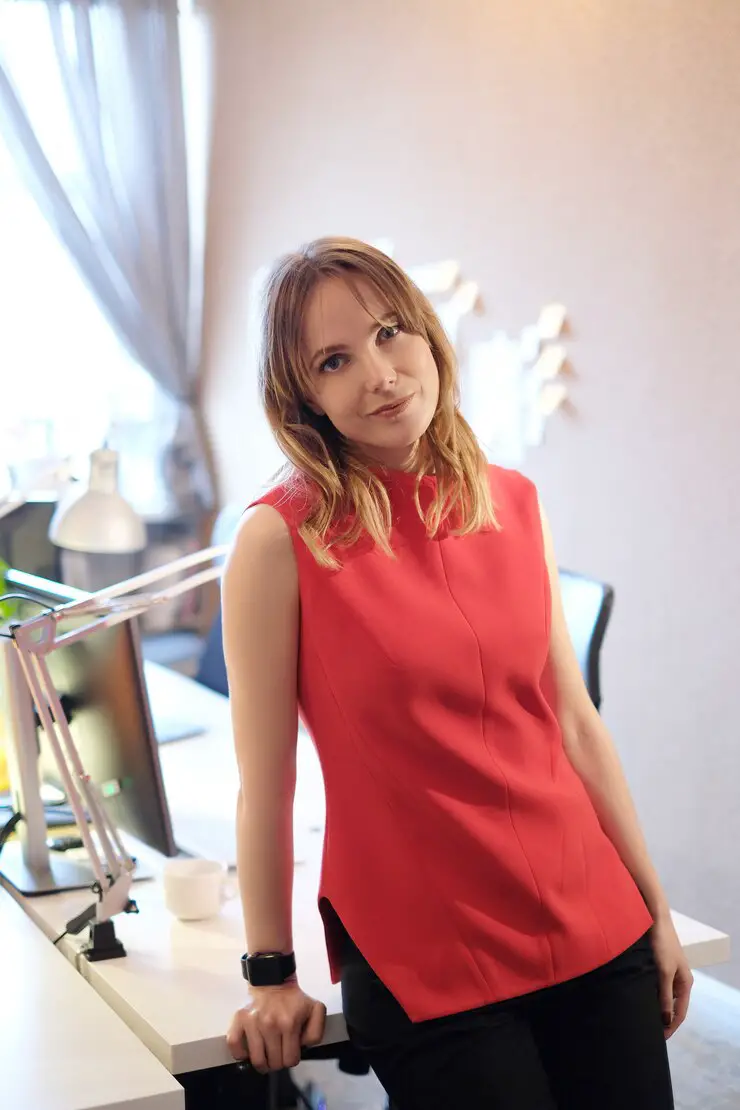
Sophia Rivers is an experienced News Content Editor with a sharp eye for detail and a passion for delivering accurate and engaging news stories. At TheArchivists, she specializes in curating, editing, and presenting news content that informs and resonates with a global audience.
Sophia holds a degree in Journalism from the University of Toronto, where she developed her skills in news reporting, media ethics, and digital journalism. Her expertise lies in identifying key stories, crafting compelling narratives, and ensuring journalistic integrity in every piece she edits.
Known for her precision and dedication to the truth, Sophia thrives in the fast-paced world of news editing. At TheArchivists, she focuses on producing high-quality news content that keeps readers informed while maintaining a balanced and insightful perspective.
With a commitment to delivering impactful journalism, Sophia is passionate about bringing clarity to complex issues and amplifying voices that matter. Her work reflects her belief in the power of news to shape conversations and inspire change.