My mother wrote that she was sorry. She wrote that first, right after that opening line, before anything else, and she underlined it twice. She was sorry that I was reading this alone, and sorry that I was cold, and sorry that she wasn’t there.
Then she told me the truth.
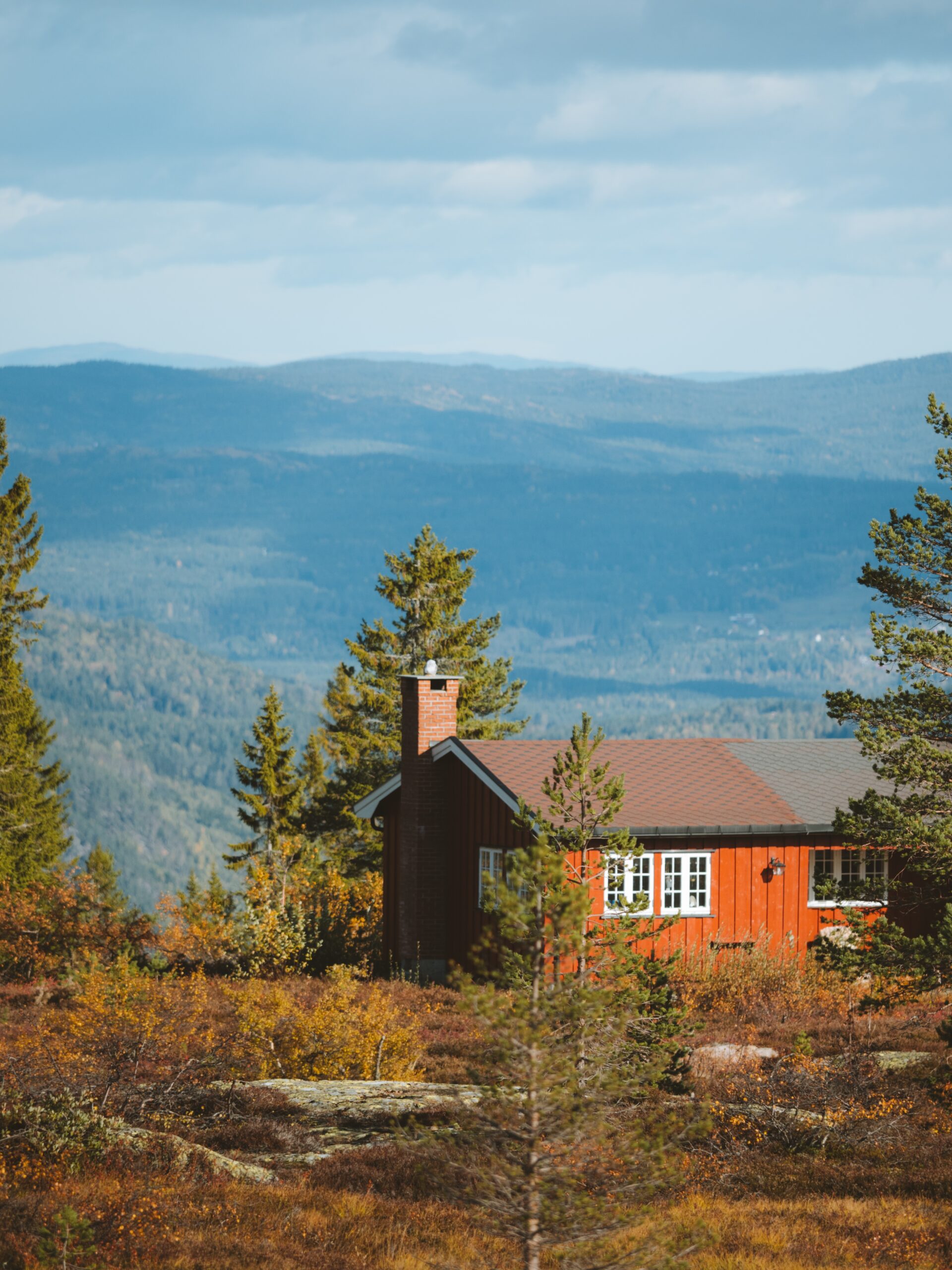
The cabin had belonged to her father, my grandfather, who built it himself in 1971 on a hundred and sixty acres of timberland he bought with his savings from the paper mill. She grew up spending every summer there. When Grandpa died, he left the cabin and all the land to her. And a few months after she got her diagnosis, she went to a lawyer in town, a man named Harold Berg, and put the whole thing, the cabin and all hundred and sixty acres, into a trust in my name.
She wrote that she’d known for a long time that my father wasn’t strong. She said she loved him, but that he’d always gone along with whoever pushed hardest. She said she was afraid that when she was gone, someone would push him. And she said she’d heard him tell his brother, at Thanksgiving the year before she got sick, that the first thing he’d do if anything ever happened to her was sell that worthless mountain land and be done with it.
So she made sure he couldn’t.
She wrote that her life insurance, a policy her father had made her take out when she was twenty-five, was in the trust too. And she wrote that the trust would be held by a bank until I turned nineteen, with my father as co-trustee so he could use some of the money for my care if he needed to. Then, on my nineteenth birthday, all of it would come to me. The land, the cabin, and whatever was left of the money.
I turned nineteen on November twenty-sixth, about three weeks before my father drove me up the mountain.
Nobody had mentioned a trust. Nobody had mentioned anything at all. Sandra made me a box-mix chocolate cake, and Dad gave me a fifty-dollar gift card to Target, and that was my birthday.
My mother’s letter went on. She wrote that she’d asked an old friend to look after the cabin. Her name was Ada Lindgren, and she lived about four miles down the road, at the first mailbox past the creek crossing. Ada had been Grandpa’s neighbor for thirty years and my mother’s babysitter when she was little. Mom wrote that she’d asked Ada to keep the cellar stocked every fall, just in case, for as long as it took, and that Ada had promised. And she’d given Ada the key to the strongbox, because she didn’t trust anyone else to have it.
If they brought you up here and left you, she wrote, go to Ada. She’ll know what to do.
Near the bottom of the last page, the handwriting got shakier. She wrote that the letters tied in red string were for me, one for each birthday she was going to miss, from thirteen to nineteen, plus one extra. She’d meant for Ada to mail them to me every year. She wrote that she’d changed her mind at the last minute and decided to leave them in the cellar instead, because she was afraid they’d never make it past my father’s mailbox.
The last lines said that she was proud of me. That she knew I was strong, even if nobody had ever told me. And that she was sorry about the jam, because she’d made it the summer before she got sick, from the plum tree behind the cabin, and it probably didn’t taste very good anymore.
Next to her name, at the very bottom, was a tiny drawing of a plum.
I folded the letter back up along its old creases. I put it inside my jacket, against my chest. Then I climbed back down the ladder into the cellar with the flashlight and got the bundle of letters in their red string, and I sat by the fire with Dutch and read the one marked Nineteen.
I’m not going to tell you what it said. Some things are just mine. But I read it four times. And around midnight, I opened a can of dog food for Dutch and a jar of peaches for me, and we ate in front of the stove, and for the first time in two days, I wasn’t afraid.
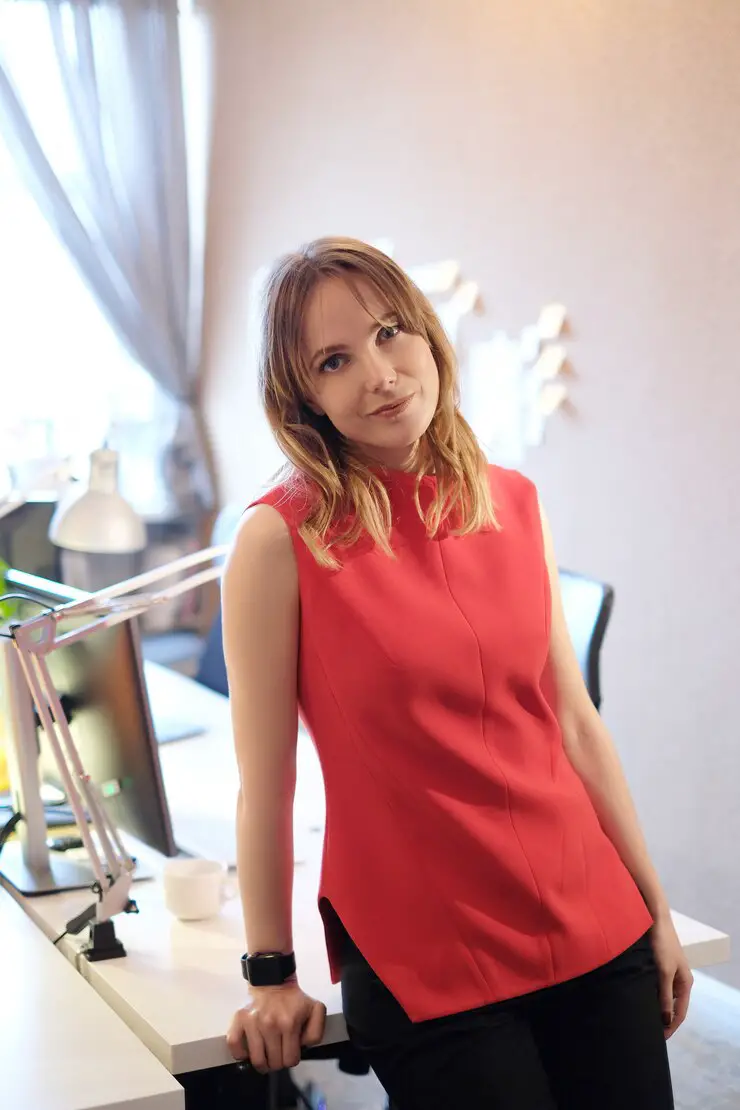
Sophia Rivers is an experienced News Content Editor with a sharp eye for detail and a passion for delivering accurate and engaging news stories. At TheArchivists, she specializes in curating, editing, and presenting news content that informs and resonates with a global audience.
Sophia holds a degree in Journalism from the University of Toronto, where she developed her skills in news reporting, media ethics, and digital journalism. Her expertise lies in identifying key stories, crafting compelling narratives, and ensuring journalistic integrity in every piece she edits.
Known for her precision and dedication to the truth, Sophia thrives in the fast-paced world of news editing. At TheArchivists, she focuses on producing high-quality news content that keeps readers informed while maintaining a balanced and insightful perspective.
With a commitment to delivering impactful journalism, Sophia is passionate about bringing clarity to complex issues and amplifying voices that matter. Her work reflects her belief in the power of news to shape conversations and inspire change.