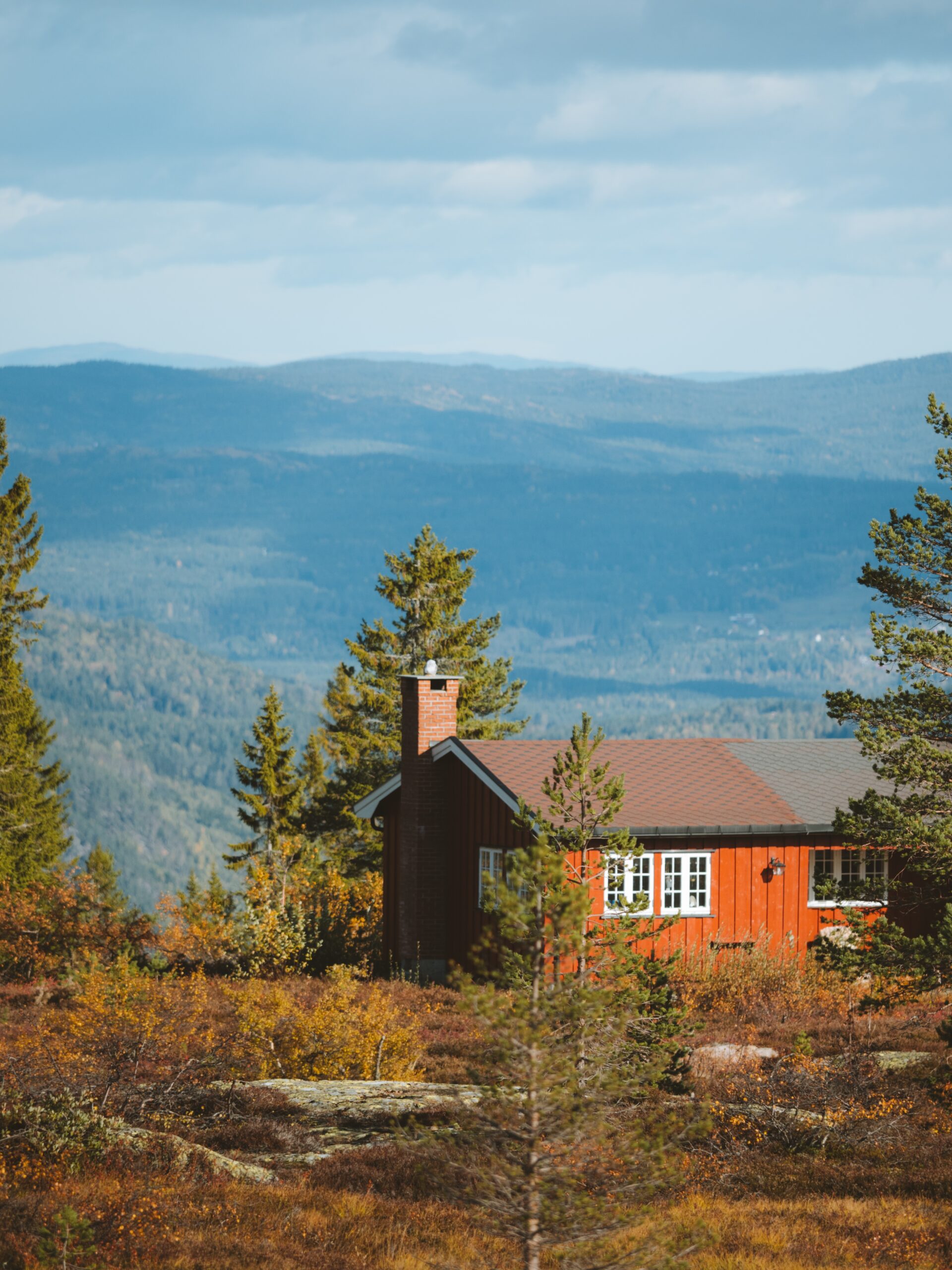
I stood on that porch until I couldn’t feel my feet. Then I went inside, because there wasn’t anywhere else to go.
It took me almost an hour to get a fire going in the wood stove. I had never built one in my life. The first three tries, I piled the logs in too tight and smothered the match. Then I found an old newspaper under the bed, a copy of the county weekly from twelve years ago, and I tore it into strips and twisted them up the way I’d seen in a movie once. The flame finally caught on the kindling. I sat in front of the open stove door and cried while it crackled, and I didn’t know whether I was crying because I was relieved or because I was scared.
I ate two granola bars for dinner. I drank half a bottle of water. I dragged the bare mattress off the bed frame and pulled it up next to the stove, and I lay down on it in my jacket and my jeans and my boots, with the flashlight in my hand.
The cabin made noises all night. The logs ticked as they cooled. The tin roof groaned under the weight of the snow. Somewhere out in the trees, something cried out, high and sharp, a fox maybe, and I lay there with my heart pounding and the flashlight pointed at the door. I fed the stove every couple of hours, and every time I went out to the shed for more wood, the cold hit me so hard it felt like walking into a wall.
I thought about Mom. I thought about the way she used to sing “Blue Moon of Kentucky” while she washed dishes, off-key and loud, with her hair tied up in a red bandanna. I thought about the cassette tapes in that cardboard box, riding down the mountain in the back of my father’s car.
The next morning, the sun came up gray and thin over the ridge. I went out to the woodshed for another armload, and I heard something move behind the stacked logs.
I froze. My first thought was bear. My second was that bears are supposed to be asleep in December. I backed up slowly, holding a split log in front of me like a bat, and a dog stepped out from behind the woodpile.
He was a German shepherd, or mostly one, old and gray around the muzzle. He was so skinny I could count every rib under his matted coat. His left back leg dragged when he walked, the paw turned under at an angle. He stood there in the snow looking at me with his ears half up and half down, as if he couldn’t decide whether to run or come closer.
“Hey,” I said softly. “Hey, buddy. Where’d you come from?”
He didn’t have a collar. He didn’t have tags. He looked as abandoned as I felt.
I went back inside and got the bread and the peanut butter. I sat down on the porch step and made a sandwich, and I tore it in half, and I held out his half on the flat of my hand. He came very slowly, limping, his nose working. He took the bread so gently I barely felt his teeth. Then he ate it in about two seconds and looked at me.
I made him another one. We split the whole loaf that morning, me and that dog, sitting in the snow on the porch. When the bread was gone, he limped up the steps and leaned his whole weight against my knee, pressing his head into my side, as if he’d been waiting a long time for someone to show up.
“Okay,” I said. My voice was thick. “Okay. You can stay.”
I named him Dutch, after a goofy brown dog in one of Mom’s old photo albums, a dog she’d had when she was little. She told me once that he used to follow her everywhere, and that she cried for a week when he died.

Sophia Rivers is an experienced News Content Editor with a sharp eye for detail and a passion for delivering accurate and engaging news stories. At TheArchivists, she specializes in curating, editing, and presenting news content that informs and resonates with a global audience.
Sophia holds a degree in Journalism from the University of Toronto, where she developed her skills in news reporting, media ethics, and digital journalism. Her expertise lies in identifying key stories, crafting compelling narratives, and ensuring journalistic integrity in every piece she edits.
Known for her precision and dedication to the truth, Sophia thrives in the fast-paced world of news editing. At TheArchivists, she focuses on producing high-quality news content that keeps readers informed while maintaining a balanced and insightful perspective.
With a commitment to delivering impactful journalism, Sophia is passionate about bringing clarity to complex issues and amplifying voices that matter. Her work reflects her belief in the power of news to shape conversations and inspire change.