I left at first light. I filled my backpack with two jars of peaches, a sleeve of crackers from the cellar, a bottle of water, and the plum jam, which I didn’t want to leave behind. I took a wool blanket from one of the plastic bins and wrapped it around myself like a cape over my jacket, and I tied it at the neck with a length of the rope. I must have looked insane.
I put my mother’s letter in the inside pocket of my jacket and zipped it shut.
Dutch came with me. I tried to make him stay, because of his leg. He wouldn’t. Every time I took a few steps down the ruts, he limped right after me, and when I stopped and told him to go back, he sat down in the snow and looked at me like I’d said something extremely stupid. So he came.
It was four miles to the creek crossing. It took us almost three hours. The snow in the ruts was up past my ankles, and in a few places where it had drifted, it came up to my knees. My jeans were soaked through within the first mile. My feet went numb, then hurt, then went numb again. Twice I had to stop and sit on a fallen log, and Dutch lay down against my legs, and I fed him crackers and ate a few myself and tried not to think about how far I still had to go.
I heard the creek before I saw it, water running fast and loud under a shelf of ice. There was a wooden bridge, just planks over two logs, and on the other side of it, at the end of a plowed gravel drive, stood a green metal mailbox on a post. It said LINDGREN in white reflective letters.
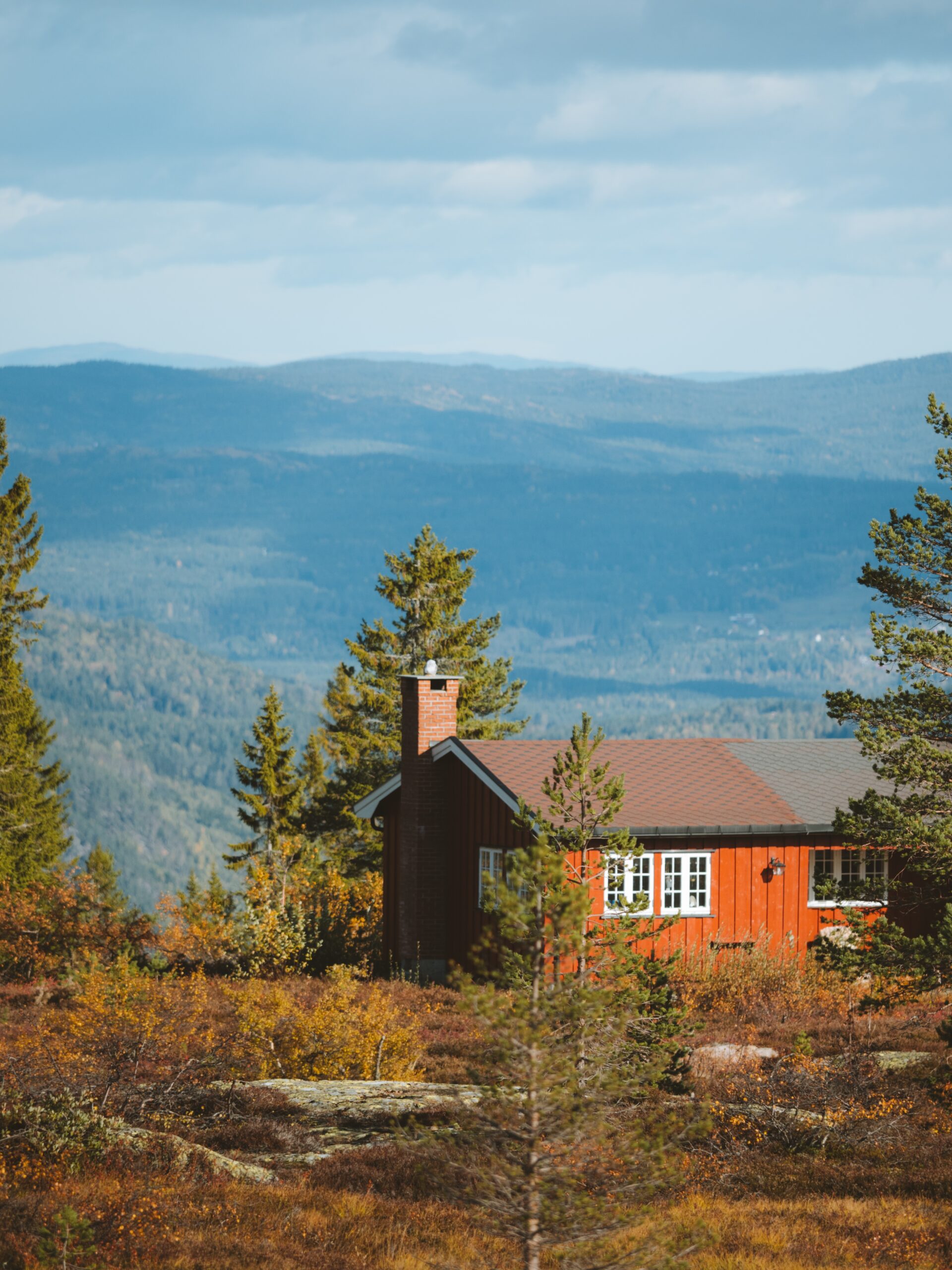
The house was a small yellow farmhouse with smoke curling from the chimney and a red pickup in the yard. As I came up the drive, a dog started barking inside. Then the front door opened, and a woman stepped out onto the porch in a barn coat and rubber boots.
She was in her seventies, small and wiry, with white hair in a long braid over one shoulder. She took one look at me, with the wool blanket roped around my neck and my soaked jeans and a three-legged dog limping beside me, and she put a hand on the porch post.
“Oh, my Lord,” she said. “You’re Margaret’s girl.”
I nodded. I couldn’t make my mouth work.
“You found the cellar,” she said. It wasn’t a question.
“She told me to come to you,” I said, and then my legs gave out and I sat down right there in her driveway.
Ada Lindgren got me inside and into a chair by her kitchen woodstove so fast I barely remember the trip. She pulled off my boots and my socks and put my feet in a dishpan of lukewarm water, and she told me it would hurt like the dickens when the feeling came back, and it did. She gave Dutch a bowl of water and a plate of leftover pot roast, and her own dog, a fat old black Lab named Gus, sniffed him all over and then lay down beside him like they’d known each other for years.
She made me hot chocolate in a pan on the stove, the real kind, with milk. When I wrapped my hands around the mug, they were shaking so badly I spilled half of it.
“How long have you been up there?” Ada asked.
“Since Saturday.”
She did the math in her head, and I watched her face go hard. “Who left you?”
“My dad,” I said. “And my stepmother.”
Ada set her own mug down on the table, very carefully, the way you’d put something down if you were afraid you might throw it.
“I told her,” she said quietly. “I told your mother he’d do something like this. She said she hoped I was wrong. She said that’s why she made me promise about the cellar.”
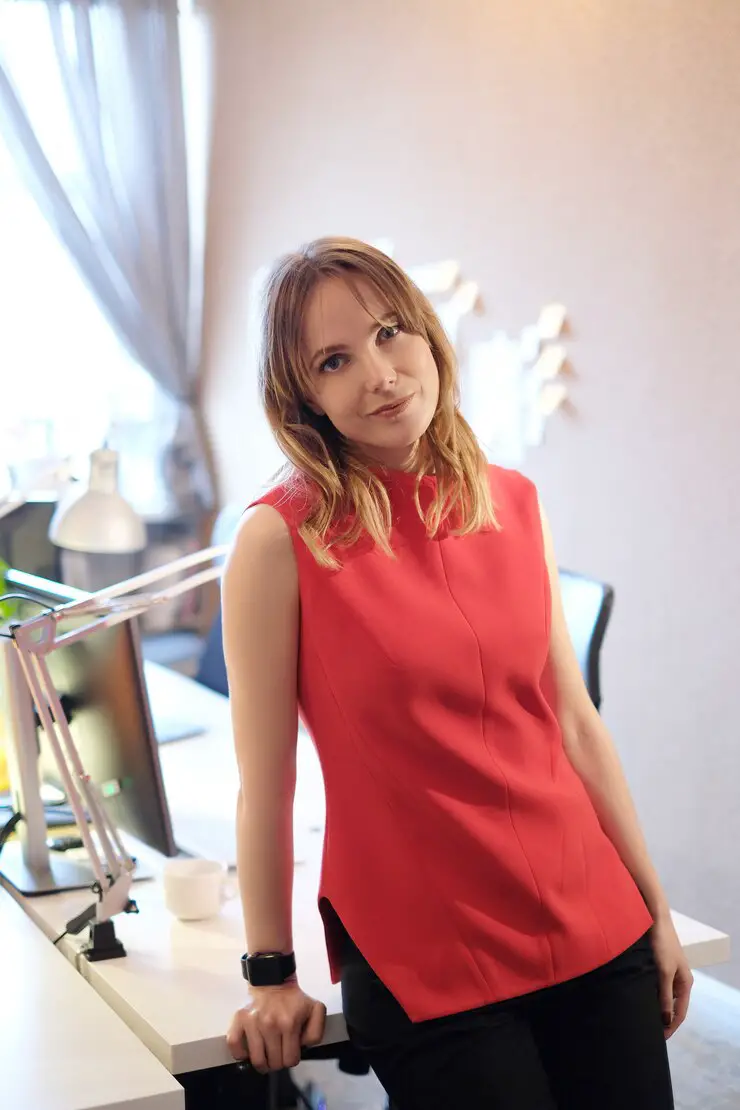
Sophia Rivers is an experienced News Content Editor with a sharp eye for detail and a passion for delivering accurate and engaging news stories. At TheArchivists, she specializes in curating, editing, and presenting news content that informs and resonates with a global audience.
Sophia holds a degree in Journalism from the University of Toronto, where she developed her skills in news reporting, media ethics, and digital journalism. Her expertise lies in identifying key stories, crafting compelling narratives, and ensuring journalistic integrity in every piece she edits.
Known for her precision and dedication to the truth, Sophia thrives in the fast-paced world of news editing. At TheArchivists, she focuses on producing high-quality news content that keeps readers informed while maintaining a balanced and insightful perspective.
With a commitment to delivering impactful journalism, Sophia is passionate about bringing clarity to complex issues and amplifying voices that matter. Her work reflects her belief in the power of news to shape conversations and inspire change.