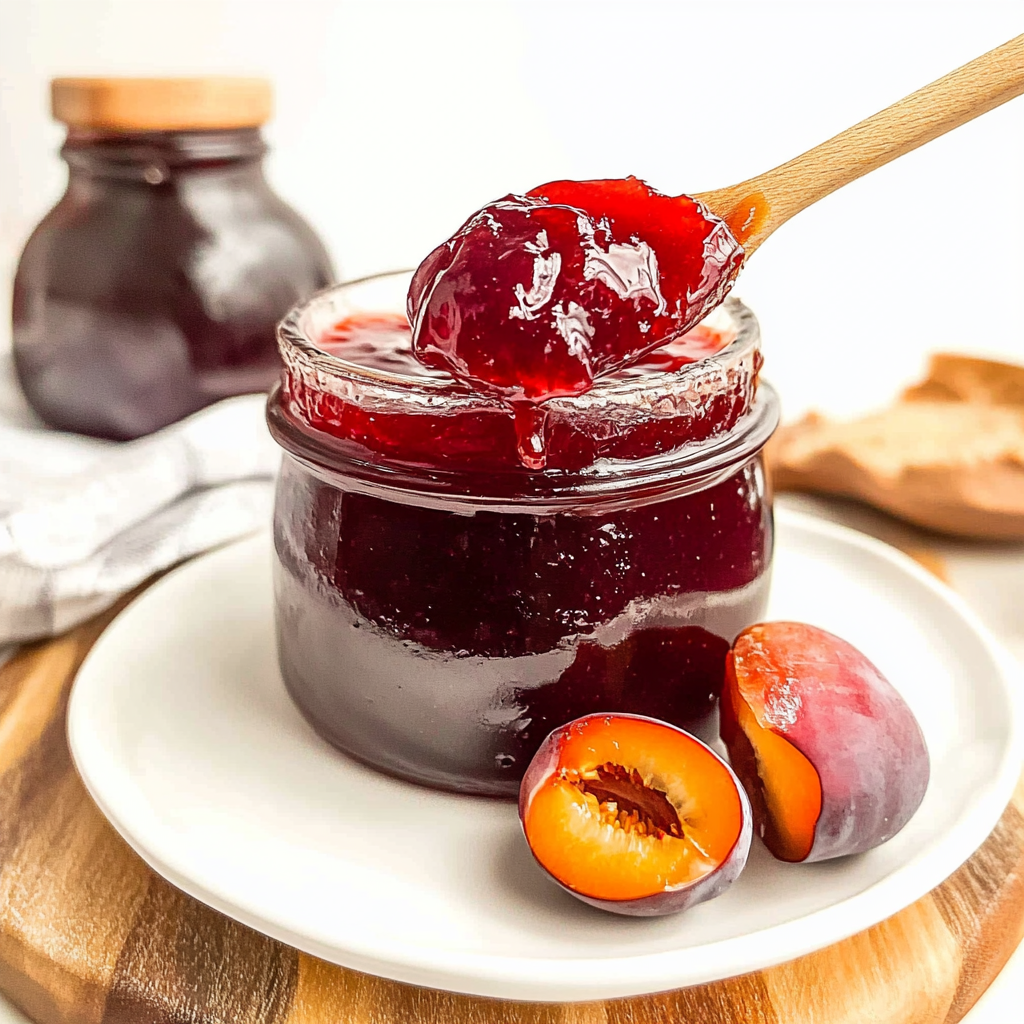
I opened jar forty last, upstairs at the kitchen table in the lamplight, with the bonds stacked in a shoebox beside me.
It was heavy because it was full of paper. There was no jam in it at all. Ruth had painted the inside of the glass dark purple so it would look like jam from the outside.
Inside, folded in quarters, was a four-page letter written in pencil gone soft from handling. Underneath it was a long white envelope printed with the name of a law office in Marshalltown: Dennis R. Pruitt, Attorney at Law.
I read the letter first. Then I read it again.
Linda,
If you are reading this on the basement floor with a flashlight, you are exactly the woman I thought you were. Nobody else would have kept the jars.
I never gave you anything in front of the girls because they would have taken it from you. Not all at once. Slowly, the way Carol took the good china and Jeanette took the quilt. By telling you it was too much for you, or that Mother would have wanted it kept in the family. You are not family to them. You are family to me. I decided in 1985 that the only safe place for anything I gave you was inside something they’d laugh at.
I was a widow at fifty. I learned that people will take whatever you let them see. So I stopped letting them see.
Here is what I did. Every December, on the first Monday, I went to the bank in Marshalltown and bought you a bond in your name only, with my egg money. It was never much. The first year it was fifty dollars. Some years more. I had Mr. Okafor at the bank register them to you alone, so neither Tom nor the girls could ever touch them, and I taped each one inside a lid with a number so you’d never lose count. When the bank stopped selling paper bonds, Mr. Okafor helped me open a savings certificate in my name that goes to you when I die. It doesn’t go through my will. The girls can’t touch it, and neither can the court.
You’ll wonder why jam. I’ll tell you.
Your first Christmas, you stood in my kitchen at twenty-four in a green dress, trying to look like you belonged. When I handed you that jar, you said “thank you” as if I’d handed you a diamond. Carol laughed. You didn’t. You looked at me. And I thought: that girl knows a gift when she sees one. She won’t throw it out.
I was right.
The envelope is from my lawyer, Dennis Pruitt. I changed my will in January, after the hospital. The girls don’t know.
I left Carol and Jeanette the jewelry, the china, and the quilts. They’ve wanted them all their lives, and they’ll have them. I left Tom his father’s truck and tools.
The farm, the hundred and sixty acres along Linn Creek and the house, I left to you.
Not to Tom. To you. Because Tom is a good man who has never once told his sisters no, and I could not leave a farm to a man who can’t hold a fence.
It was never about money, Linda. It was that you stayed. You drove me to every one of those appointments. You sat up with me. You never took one thing from my kitchen that I hadn’t offered. And you never once complained about the jam.
I didn’t know how to say I loved you. I was raised by people who said it with eggs.
So I said it forty times, in a jar.
Ruth
P.S. The plum tree behind the barn is yours too. Don’t let Carol prune it.

Lila Hart is a dedicated Digital Archivist and Research Specialist with a keen eye for preserving and curating meaningful content. At TheArchivists, she specializes in organizing and managing digital archives, ensuring that valuable stories and historical moments are accessible for generations to come.
Lila earned her degree in History and Archival Studies from the University of Edinburgh, where she cultivated her passion for documenting the past and preserving cultural heritage. Her expertise lies in combining traditional archival techniques with modern digital tools, allowing her to create comprehensive and engaging collections that resonate with audiences worldwide.
At TheArchivists, Lila is known for her meticulous attention to detail and her ability to uncover hidden gems within extensive archives. Her work is praised for its depth, authenticity, and contribution to the preservation of knowledge in the digital age.
Driven by a commitment to preserving stories that matter, Lila is passionate about exploring the intersection of history and technology. Her goal is to ensure that every piece of content she handles reflects the richness of human experiences and remains a source of inspiration for years to come.