Carol never filed an objection.
Mr. Pruitt told me later that her lawyer in Des Moines had reviewed the will, the doctor’s statement, and the witnesses, and given her his honest opinion: she would lose. He said a contest could cost her twenty or thirty thousand dollars in legal fees and would likely take a year or more. And at the end of it, he told her, she’d have spent her inheritance suing her mother’s memory.
The deadline came and went. Carol didn’t call. Neither did her lawyer.
In early March, Mr. Pruitt, as executor, signed the deed transferring the farm into my name, and recorded it with the Marshall County Recorder.
On March 14th, one year to the day after Ruth died, he asked all three of us to meet at the farmhouse on Linn Creek to close out the estate.
The house stood at the end of a long gravel lane, with white clapboard siding, a sagging porch, and a red barn leaning slightly east. Mr. Pruitt set up a folding table in Ruth’s kitchen and laid out his final papers: the accounting of the estate, the receipts showing the jewelry and china had been distributed, and the recorded deed.
Carol came in a cashmere coat, pale as paper. Jeanette came in her gray sweater. Tom stood beside me with his hand on my back.
Mr. Pruitt read the final page of the will aloud, slowly, in his dry, kind voice, his half-moon glasses on his nose. When he reached the paragraph about the farm, Carol made a small, strangled sound. When he reached the last line, To my daughter-in-law, Linda Haddon, who stayed, she put her face in her hands.
Then she stood, holding the back of Ruth’s chair as if it were a railing.
“I’d like to say something,” she said.
Mr. Pruitt nodded.
“I was awful to you, Linda. Every Christmas, for forty years, I made a joke out of you.” Her voice shook. “I told myself it was affection. We tease the ones we love.”
“Carol.”
“I teased you because I was jealous.”
The kitchen went very quiet. A clock ticked.
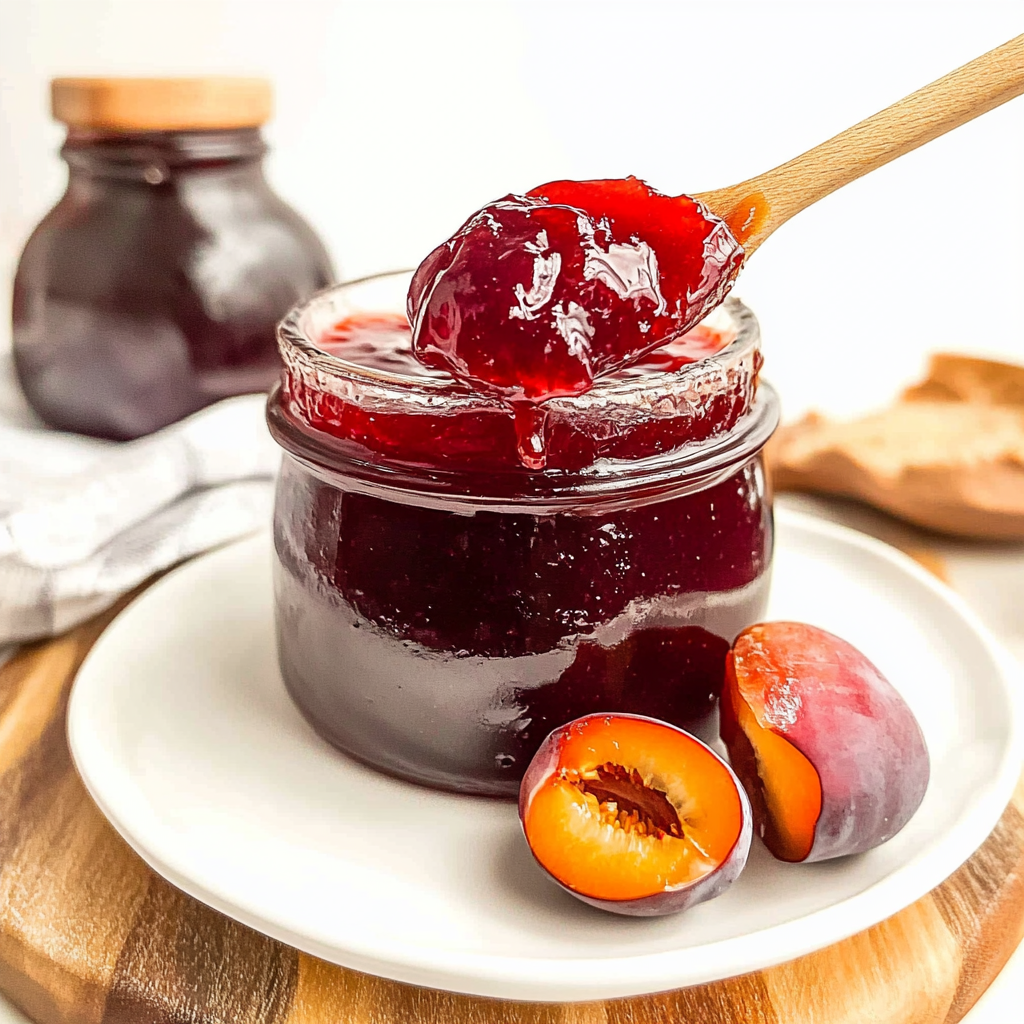
“I never understood why,” Carol said. “I thought it was the jam. Something that stupid. A jar of jam.” She laughed, thin and wet. “But I’d watch you take it, and you’d say ‘thank you’ and mean it. And Mom would look at you.”
“Look at me how?”
“Like you were something she didn’t have to guard.” Tears were running down her face. “She never looked at me like that. She looked at me like a woman checking the lock on a gate.”
I couldn’t speak.
“I loved her,” Carol said. “I just never knew how to be easy.”
I got up. I crossed Ruth’s kitchen floor on the old linoleum, in my good shoes, and put my arms around my sister-in-law. She was stiff and tall and trembling, and she smelled of expensive perfume and old fear.
“You don’t have to be easy,” I said. “You just have to come.”

Lila Hart is a dedicated Digital Archivist and Research Specialist with a keen eye for preserving and curating meaningful content. At TheArchivists, she specializes in organizing and managing digital archives, ensuring that valuable stories and historical moments are accessible for generations to come.
Lila earned her degree in History and Archival Studies from the University of Edinburgh, where she cultivated her passion for documenting the past and preserving cultural heritage. Her expertise lies in combining traditional archival techniques with modern digital tools, allowing her to create comprehensive and engaging collections that resonate with audiences worldwide.
At TheArchivists, Lila is known for her meticulous attention to detail and her ability to uncover hidden gems within extensive archives. Her work is praised for its depth, authenticity, and contribution to the preservation of knowledge in the digital age.
Driven by a commitment to preserving stories that matter, Lila is passionate about exploring the intersection of history and technology. Her goal is to ensure that every piece of content she handles reflects the richness of human experiences and remains a source of inspiration for years to come.