Jeanette came to see me on January 9th.
She came alone, in a tan raincoat, carrying a grocery sack, and stood on my porch in a thin January drizzle with her hair plastered to her forehead. She looked tired. She looked every one of her sixty-six years. She held the sack in both arms like a child.
“Linda.”
“Come in.”
She sat at my kitchen table, in the chair where I’d read the letter. I made tea. When she took off her coat, she was wearing a plain gray sweater and not a single piece of jewelry. I noticed. She noticed me noticing.
“I took it all off,” she said. “At church on Sunday. I couldn’t wear it. It felt like wearing a receipt.”
She opened the sack. Inside, wrapped in a dish towel, was a small crib quilt in faded blues and yellows, hand-stitched, with a border of tiny triangles.
“It’s Mom’s,” Jeanette said. “The one she made for Tom when he was born. I took it in March, with everything else.”
I touched the edge. It was soft as skin.
“It should go to your grandchildren,” I said.
“I don’t have any. You know that. I’m sixty-six, Linda.” She laughed, a short, wet sound. “I’d like you to have it. For the farm.”
I stared at her.
“I’m not here to fight,” she said, and her chin trembled. “Carol called a lawyer in Des Moines. He wants a five-thousand-dollar retainer just to look at it. I read the will Mr. Pruitt sent. Three times.” She pressed her lips together. “I told Carol I’m not paying for a lawsuit against Mom’s own words. Mom was right about us. We loved things.”
“Jeanette.”
“I used to laugh at you every Christmas.” She wiped her eyes with her fingertips. “I’d watch you take that jar and think, poor Linda. I’d feel so sorry for you. And it made me feel better about myself.”
I didn’t say anything.
“And the whole time,” Jeanette said, “you were the one with the bank.”
I didn’t forgive her then. I want to say that plainly. I sat at my table in the gray light with the little blue quilt in my lap and let her cry, and I felt a hundred small, sharp things at once. Forty years of being laughed at kindly. Forty years of saying thank you.
But underneath, something small and stubborn was rising too.
“Jeanette, do you remember the year Tom broke his leg?”
She blinked. “1996.”
“You came every day for a week. With casseroles. You did our laundry.”
“I did.”
“I never thanked you.”
“You didn’t have to.”
“I should have.” I smoothed the quilt. “I’m saying it now. Thank you.”
She put her hand over her mouth.
“I’m not saying everything’s all right,” I said. “It isn’t. But I’d like to try.”
“Try what?”
“Being sisters.”
She sobbed out loud, a cracked, startled sound. I put my arm around her. She smelled of rain and drugstore lotion and, faintly, of her mother’s kitchen.
“Sisters don’t make fun of each other’s jam,” she whispered into my sweater.
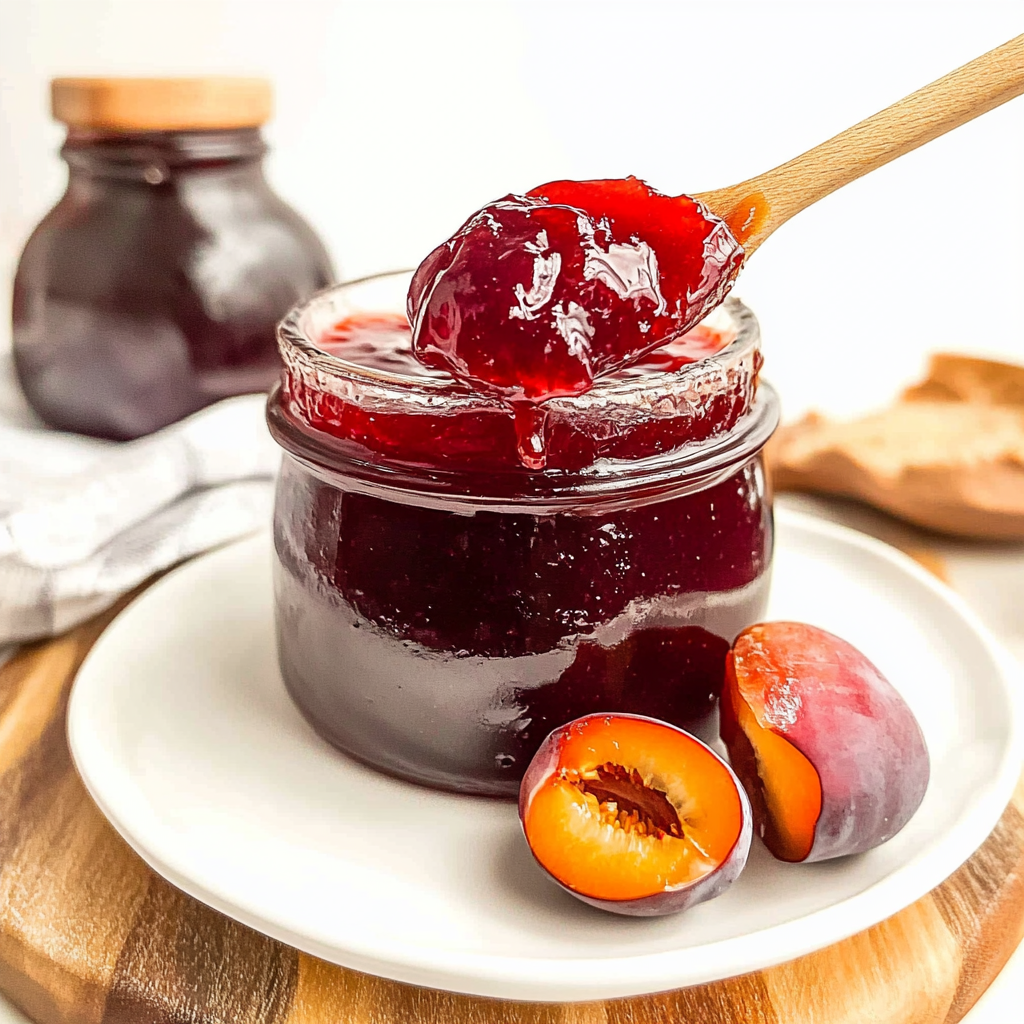
“No,” I said. “They eat it.”

Lila Hart is a dedicated Digital Archivist and Research Specialist with a keen eye for preserving and curating meaningful content. At TheArchivists, she specializes in organizing and managing digital archives, ensuring that valuable stories and historical moments are accessible for generations to come.
Lila earned her degree in History and Archival Studies from the University of Edinburgh, where she cultivated her passion for documenting the past and preserving cultural heritage. Her expertise lies in combining traditional archival techniques with modern digital tools, allowing her to create comprehensive and engaging collections that resonate with audiences worldwide.
At TheArchivists, Lila is known for her meticulous attention to detail and her ability to uncover hidden gems within extensive archives. Her work is praised for its depth, authenticity, and contribution to the preservation of knowledge in the digital age.
Driven by a commitment to preserving stories that matter, Lila is passionate about exploring the intersection of history and technology. Her goal is to ensure that every piece of content she handles reflects the richness of human experiences and remains a source of inspiration for years to come.